The 12 Easiest Vegetables to Grow for Beginners (Ranked)
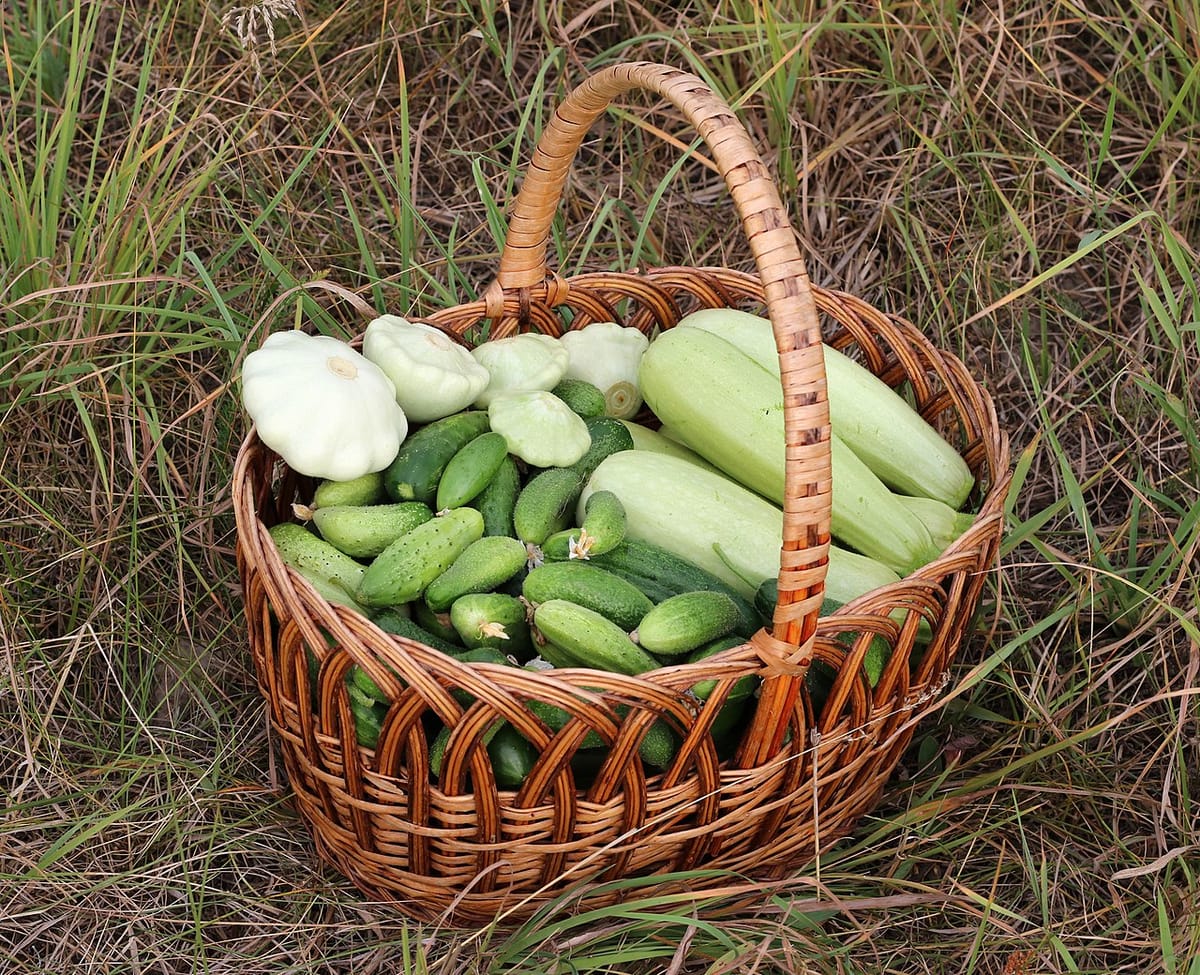
Some vegetables are simply on your side. They germinate in imperfect soil, shrug off a missed watering, outgrow modest pest damage, and produce food fast enough to keep a new gardener hooked. Others — looking at you, cauliflower — punish every small mistake.
Your first season should be stacked with the first kind. This list ranks twelve vegetables by how hard they are to fail with, based on quick germination, tolerance for beginner watering habits, pest resilience, and speed to harvest. For each one you’ll find how to plant it, when it’s ready, and the most common way it goes wrong — because even easy crops have one weak spot.
If you haven’t built your garden yet, start with our guide to starting a vegetable garden, then come back here to fill it.
1. Radishes
Why they’re easy: Radishes germinate in three to five days, tolerate cool weather, need no feeding, and are ready in under a month. They’re the crop that teaches beginners the whole seed-to-harvest loop before anything else has even flowered.
How to plant: Direct-sow a half-inch deep in cool weather — early spring and again in late summer. Thin seedlings to two inches apart (eat the thinnings in a salad).
Ready in: 25–35 days. Harvest at ping-pong-ball size; oversized radishes turn woody and hot.
Where beginners go wrong: Sowing in summer heat. Radishes are a cool-season crop; hot weather makes them bolt to seed instead of forming bulbs. Sow early, sow late, skip July.
2. Loose-leaf lettuce
Why it’s easy: Unlike head lettuce, loose-leaf types let you harvest outer leaves continuously while the plant keeps producing from the center — one sowing can feed you for six weeks or more. It also tolerates partial shade better than nearly any vegetable.
How to plant: Scatter seed thinly over prepared soil and barely cover — lettuce seed needs light to germinate well. Keep moist until up. Sow a new patch every two or three weeks for a continuous supply.
Ready in: 30 days for baby leaves, 45–55 for full plants.
Where beginners go wrong: Letting summer heat catch it. Warm weather turns lettuce bitter and sends it bolting skyward. Plant in spring and fall, and use afternoon shade to stretch the season.
Alt: Gardener picking outer leaves from loose-leaf lettuce plants using the cut-and-come-again method
Caption: Take the outer leaves, leave the center, and one sowing keeps producing for weeks.
3. Bush beans
Why they’re easy: Big seeds that germinate reliably, no support structure needed (unlike pole beans), and thanks to the nitrogen-fixing bacteria on their roots, they barely need fertilizer. A ten-foot row produces meal-sized pickings every couple of days for weeks.
How to plant: Direct-sow an inch deep after all frost danger, in soil that has warmed — cold, wet soil rots bean seeds. Space three inches apart.
Ready in: 50–60 days, then continuous picking for two to three weeks. Sow a second round in midsummer for a fall crop.
Where beginners go wrong: Planting too early. Beans sown into cold spring soil sit there and rot, and the gardener blames the seed. Wait until soil feels warm to your hand.
4. Zucchini
Why it’s easy: Zucchini’s problem is abundance, not difficulty. Two plants supply a household; three supply the neighborhood. Big seeds, fast growth, and heavy continuous production.
How to plant: Direct-sow an inch deep after frost, two or three seeds per spot, thinned to the strongest one. Give each plant a full three feet — they get big.
Ready in: 45–55 days. Check plants every day or two once fruiting starts; zucchini go from perfect to baseball bat with alarming speed.
Where beginners go wrong: Harvesting too late and planting too many. Pick at six to eight inches for the best texture, and start with two plants, not a row.
5. Snap peas
Why they’re easy: Peas go into the ground earlier than almost anything — a month or more before the last frost — and cool spring weather does most of the care for you. Kids and adults alike eat them straight off the vine, which is why some never reach the kitchen.
How to plant: Direct-sow an inch deep as soon as soil can be worked in spring. Even “bush” types appreciate a short trellis or some twiggy branches to climb.
Ready in: 55–65 days. Pick every other day once pods start filling; frequent picking keeps vines producing.
Where beginners go wrong: Planting too late. Peas despise heat — a late sowing runs into summer and shuts down just as it starts producing. When in doubt, plant earlier than feels safe.
6. Green onions (scallions)
Why they’re easy: Practically no pests, no diseases worth mentioning, minimal space, and tolerant of crowding that would doom other crops. You can even regrow store-bought scallions from their root ends while your seeds get going.
How to plant: Sow seed thickly in a shallow furrow, or plant sets (small bulbs) an inch deep. Tuck them into edges and corners — they don’t need dedicated space.
Ready in: 60 days from seed, faster from sets.
Where beginners go wrong: Honestly, not much. The main disappointment is forgetting to sow more; harvest a clump, sow a pinch of seed in the gap.
7. Cherry tomatoes
Why they’re easy: Full-size tomatoes have a real learning curve; cherry types skip most of it. They set fruit in weather that makes big tomatoes drop blossoms, resist cracking better, ripen fast, and produce hundreds of fruit per plant until frost.
How to plant: Buy a healthy transplant after last frost and plant it deep — bury two-thirds of the stem, which grows roots along its length. Give it a sturdy cage immediately. One or two plants is enough. For the full technique (and what to do when leaves look weird in August), see our complete tomato guide.
Ready in: 55–65 days from transplant.
Where beginners go wrong: Erratic watering, which splits ripening fruit. Deep, consistent watering plus mulch prevents most of it.
8. Swiss chard
Why it’s easy: Chard is what happens when spinach stops being dramatic. It handles both spring cold and summer heat (a rare combination), keeps producing from the same plant for six months or more, and looks good enough to plant in a flower bed.
How to plant: Direct-sow a half-inch deep around your last frost date. Thin to eight inches apart. Harvest outer leaves; the center keeps producing.
Ready in: 50–60 days to full leaves, sooner for baby greens.
Where beginners go wrong: Treating it like lettuce and pulling the whole plant. Chard is a marathon crop — harvest leaf by leaf and one spring sowing lasts until hard frost.
9. Cucumbers
Why they’re easy: Fast, productive, and eager, cucumbers ask for just three things: warmth, steady water, and something to climb. Given a simple trellis, a couple of plants supply salads all summer.
How to plant: Direct-sow an inch deep after frost in warm soil, next to a trellis or fence. Trellised vines take a fraction of the ground space and produce straighter, cleaner fruit.
Ready in: 50–65 days. Pick often — one overlooked, over-mature cucumber signals the vine to slow down.
Where beginners go wrong: Inconsistent watering, which is the main cause of bitter fruit. Mulch and a steady weekly soak keep cucumbers sweet.
10. Carrots
Why they’re (mostly) easy: Once up, carrots need little beyond thinning and patience, and homegrown ones embarrass store-bought on flavor. They earn their spot this far down the list only because germination tests beginners’ nerve.
How to plant: Direct-sow the tiny seeds a quarter-inch deep in loose, rock-free soil — never transplant. Keep the surface continuously moist for the one to three weeks germination takes (a board laid over the row until sprouting helps). Thin ruthlessly to two inches; crowded carrots twist around each other.
Ready in: 60–80 days.
Where beginners go wrong: Letting the soil surface dry during germination, and skipping the thinning. Both feel minor; both are decisive.
11. Peppers
Why they’re easy: From transplant, peppers are remarkably low-drama — compact plants, few pests, no pruning, and both sweet and hot types ripen steadily through late summer. They just refuse to be rushed.
How to plant: Buy stocky transplants and set them out two weeks after last frost, once nights stay above 55°F (13°C) — cold nights stall them for weeks. Full sun, 18 inches apart.
Ready in: 60–90 days from transplant depending on type. Any pepper can be eaten green; left longer, most ripen to red, orange, or yellow and sweeten dramatically.
Where beginners go wrong: Impatience in spring. Peppers planted into cold soil don’t die — they just sit motionless while the gardener despairs. Wait for real warmth.
12. Kale
Why it’s easy: Kale germinates readily, tolerates cold that kills other greens (light frost sweetens it), and produces from one sowing for the better part of a year. It closes this list rather than opening it for one reason: cabbage worms love it as much as health columnists do.
How to plant: Direct-sow a half-inch deep in early spring or late summer, thinning to 12 inches. Harvest outer leaves continuously.
Ready in: 55–65 days, then months of picking.
Where beginners go wrong: Ignoring the green caterpillars until leaves look like lace. Check leaf undersides weekly and hand-pick, or cover plants with lightweight row cover from day one and never meet the problem.
Alt: Twelve easy vegetables arranged as a planting timeline from early spring peas to after-frost peppers
Caption: Same list, arranged by planting date: peas and radishes lead, peppers and cucumbers wait for warmth.
Putting the list to work: a simple first-bed plan
You don’t need all twelve. A single 4×8 bed planted from this list might look like:
- Early spring: one row of snap peas along the back with a twiggy trellis, a block of lettuce, a row of radishes, a short row of carrots.
- After last frost: one cherry tomato (caged, corner position), two zucchini… no, one zucchini, a row of bush beans where the radishes were, three pepper plants.
- Midsummer: more beans and lettuce in every gap; kale and chard sown for fall.
That bed produces something to pick nearly every week from May to November. Feed the soil with compost between waves — our home composting guide turns this summer’s scraps into next spring’s fertility — and the same bed gets better every year.
The real secret of “easy” vegetables isn’t that nothing goes wrong. It’s that when something does, the plant usually gives you time to notice, look it up, and fix it. Start with these twelve, and the garden itself will teach you the rest.
Frequently asked questions
What is the fastest vegetable to grow?
Radishes win by a wide margin — many varieties go from seed to harvest in 25 to 30 days. Baby lettuce and arugula leaves are close behind at around 30 days for a first cutting. Nothing else on the beginner list beats a month.
Which easy vegetables grow well in containers?
Lettuce, radishes, bush beans, cherry tomatoes, peppers, and chard all thrive in pots. The key is container size: lettuce and radishes manage in 6–8 inches of depth, while a cherry tomato wants at least a 5-gallon container.
What vegetables can I grow in partial shade?
Leafy greens are your best bet — lettuce, spinach, chard, and kale all produce with 4–6 hours of sun and actually benefit from afternoon shade in hot climates. Peas and radishes tolerate light shade too. Fruiting crops like tomatoes and zucchini genuinely need more sun.
Should beginners direct-sow seeds or buy transplants?
Use both strategically. Direct-sow crops that germinate easily and dislike root disturbance: beans, peas, radishes, carrots, lettuce, and zucchini. Buy transplants of slow starters like tomatoes and peppers, which need a 6–8 week indoor head start most beginners aren't set up for yet.
What is succession planting and should I bother my first year?
Succession planting means sowing small amounts every 2–3 weeks instead of everything at once, so harvests arrive in a steady stream rather than one glut. It's worth doing even in year one for fast crops like lettuce, radishes, and bush beans — it's as simple as saving half the seed packet for later.
Why did my radishes grow all leaves and no bulb?
Almost always one of three things: too much nitrogen (rich compost or fertilizer pushes leaf growth), crowding (thin to 2 inches apart — crowded radishes never bulb), or heat (radishes are a cool-season crop; summer sowings bolt instead of bulbing).
How much can I realistically harvest from one 4×8 bed?
A well-planned 4×8 bed using this list can produce salad greens for two people from spring through fall, several pounds of beans, a steady trickle of cherry tomatoes, and more zucchini than you strictly wanted — easily 40–70 pounds of food across a season.