Container Gardening for Beginners: The Complete Guide
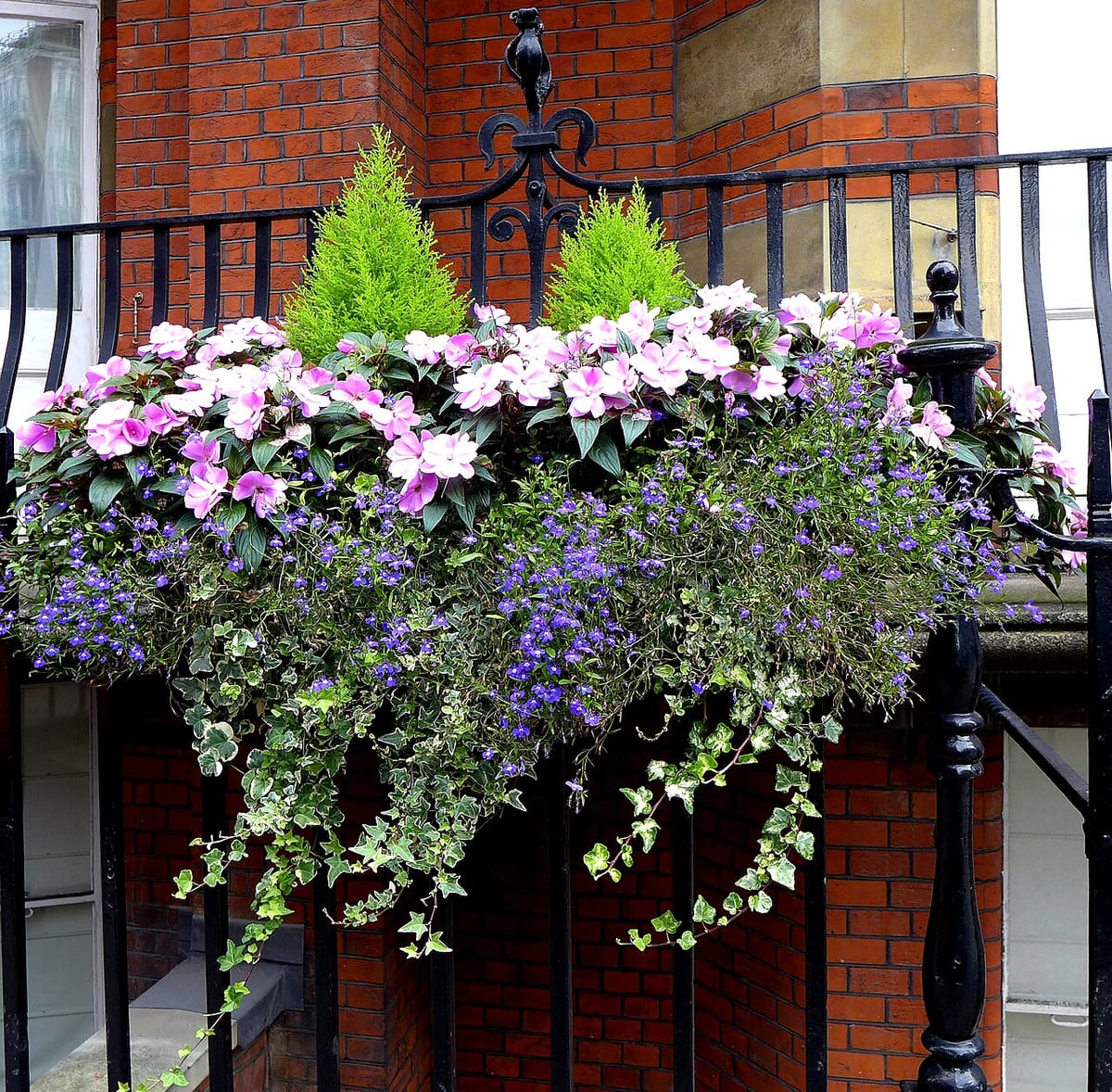
Container gardening gets described as gardening’s junior varsity — what you do until you have a “real” garden. That undersells it badly. Pots let you grow food on a third-floor balcony, put herbs three steps from the stove, chase the sun around a shaded yard, and control soil quality completely from day one. Plenty of experienced gardeners with plenty of ground still grow their tomatoes, basil, and salad greens in containers, on purpose.
What containers change is the rhythm of care. A garden bed is a reservoir — of water, nutrients, and root room — that forgives a missed week. A pot is a small boat: everything the plant gets, you bring aboard. None of it is difficult, but all of it follows from understanding that one difference. This guide covers the boat-provisioning: choosing containers, filling them correctly, watering and feeding rhythms, and ten plants that make a first container season feel easy.
Choosing containers: size first, material second
Size is the decision that matters
Nearly every container disappointment traces back to a too-small pot. Small pots dry out in hours, starve roots of room, and turn every hot afternoon into a crisis. Rough minimums for common crops:
| Plant | Minimum pot | Better |
|---|---|---|
| Lettuce, spinach, radishes | 6–8 in. deep, any width | Wide trough for cut-and-come-again |
| Most herbs (basil, parsley, chives) | 8 in. pot | 10–12 in. |
| Bush beans, chard, kale | 10–12 in. pot | 14 in. |
| Peppers | 10–12 in. (2–3 gal.) | 5 gal. |
| Cherry/patio tomato | 5 gal. (12 in.) | 10 gal.+ |
| Full-size tomato, zucchini | 10 gal. | 15–20 gal. |
| Rosemary, small shrubs | 12 in. | 16 in.+ |
When torn between two sizes, take the larger. More mix means more water and nutrient reserve, which means more forgiveness — the thing beginners need most.
Materials, honestly compared
- Terracotta (unglazed clay): beautiful, stable in wind, and breathable — its porous walls wick moisture out, which protects against overwatering and accelerates drying in heat. Heavy, breakable, and it can crack if left full of wet soil through a hard freeze.
- Glazed ceramic: terracotta’s looks without the breathability; holds moisture longer. Same weight and frost caveats.
- Plastic and resin: light, cheap, moisture-retentive, increasingly convincing as fake stone. Lightness cuts both ways — tall plants in plastic pots become sails in wind.
- Fabric grow bags: the budget overachiever. Excellent aeration, self-limiting roots, nearly overwater-proof; they just dry fast and look like what they are.
- Wood: good insulation, natural looks; choose naturally rot-resistant species or food-safe liners.
- Metal: stylish and durable but cooks roots in full summer sun. Best in part shade or double-walled.
The rule that overrides all of the above: every container must have drainage holes. Water that can’t leave a pot fills the air spaces roots breathe with, and the plant drowns in slow motion. A gorgeous holeless pot can still serve — as a cachepot, an outer sleeve holding a plain nursery pot you lift out for watering — or take a drill to it. And skip the old “gravel layer in the bottom” advice: water perches above a gravel layer, raising the soggy zone up into the roots. It makes drainage worse, not better. Holes plus good mix need no help.
Alt: Diagram showing how a gravel layer raises the waterlogged zone into plant roots compared to a pot without gravel
Caption: The gravel myth, illustrated: water perches above gravel, right where roots live.
Fill with potting mix — never garden soil
This is the container rule beginners resist, because the garden is right there and the bags cost money. Resist the resistance.
Garden soil in a pot compacts into a dense, airless mass — the structure that earthworms, insects, and deep freezing maintain in the ground doesn’t exist in a container. It drains badly, roots suffocate, and it brings along weed seeds and disease organisms as a bonus. Every extension service in the country sings the same verse: pots get potting mix.
Potting mix (also sold as potting soil — read the bag; if it lists “soil” or “topsoil” as an ingredient, walk on) is a soilless blend, typically peat or coir for moisture, perlite for air, and compost or bark for body. It’s light, fluffy, sterile, and engineered for exactly this job.
Practical notes:
- Moisten before planting. Dry mix repels water. Dump it in a tub, add water, and mix like pastry dough until evenly damp.
- Fill high. Mix settles an inch or two after the first waterings; fill to within an inch of the rim.
- Reuse thoughtfully. After a healthy season, refresh mix by removing old roots and blending in a third fresh mix or compost. After a diseased plant, that mix is done growing edibles.
- Vegetables like a compost boost: blending up to a quarter compost into the mix adds nutrition and water-holding for hungry crops.
Watering: the daily conversation
Here’s the honest core of container gardening: in summer, pots need checking every day. A garden bed’s deep soil buffers heat and drought; a 12-inch pot in July sun can go from moist to bone-dry between breakfast and dinner.
The routine takes thirty seconds:
- Finger in, one inch. Dry at that depth means water; moist means walk away.
- Water until it runs from the holes. Shallow sips create shallow roots and leave the lower half of the pot a desert. Full flushes also carry away fertilizer salts before they build up.
- Morning beats evening. Plants face the hot afternoon supplied, and foliage dries fast, which discourages disease.
Ways to make the conversation easier:
- Bigger pots. The single best watering aid money buys.
- Mulch the pot surface — an inch of straw or bark cuts evaporation meaningfully.
- Group containers. Clustered pots shade each other’s walls and raise local humidity, and a drink for one is a reminder for all.
- Self-watering containers — double-bottomed pots with a water reservoir wicking up into the mix — stretch watering to every few days and are legitimately great for tomatoes and thirsty greens.
- Saucer discipline: saucers protect decks, but a pot standing in a full saucer for days is a rot risk. Empty them after the pot finishes draining.
Underwatered pots announce themselves (wilting, crispy edges, mix pulling away from the pot walls — if that gap forms, water twice, ten minutes apart, so the rootball rewets). Overwatering is sneakier: yellowing lower leaves, persistent dampness, a sour smell. When symptoms confuse you, the finger settles it.
Feeding: little and often
Container plants live on an allowance. The pot holds limited nutrients, and every good watering flushes some of them out the bottom. Meanwhile, most potting mixes start with only a modest charge of fertilizer that’s spent within four to six weeks.
The simple program:
- At planting: mix a slow-release organic granular fertilizer into the pot per the label.
- From first flowers or one month in, whichever comes first: add a half-strength liquid feed (fish emulsion, seaweed, or any balanced liquid) every one to two weeks for vegetables and annual flowers. Herbs want half that or less — overfed herbs grow lush and bland.
- Watch the plant: pale lower leaves and stalled growth say hungry; deep green jungle foliage with no flowers says overfed with nitrogen.
Ten reliable plants for a first container season
- Cherry tomato — one plant, 5+ gallon pot, cage at planting, full sun. The container classic; our tomato guide covers the deeper technique.
- Basil — thrives in pots better than nearly anywhere; pinch weekly. Full instructions in our basil guide.
- Loose-leaf lettuce — a wide shallow trough, sown thick, cut with scissors, resown monthly. Takes part shade.
- Bush beans — direct-sown in a 12-inch pot, no support needed, generous yields.
- Peppers — compact, tidy, ornamental when fruiting; they love the extra root-zone warmth a dark pot provides.
- Radishes — the fastest payoff in gardening, 8 inches of depth, ready in a month.
- Chives — perennial, unkillable, and back every spring even when the pot froze solid.
- Marigolds — cheerful insurance flowers that bloom all season and bring in pollinators for the beans and tomatoes.
- Swiss chard — one sowing, six months of leaves, and it’s frankly gorgeous in a terracotta pot.
- Mint — with a warning label: mint in a bed becomes the bed, but mint alone in a pot is contained, fragrant, and productive. Never let it touch open ground.
Most of these also headline our list of the easiest vegetables for beginners, which is no coincidence — forgiving crops are forgiving everywhere.
Small habits that compound
- Turn pots a quarter-turn weekly so plants grow straight instead of leaning sunward.
- Refresh spent stations: when the lettuce bolts in July, dump the pot into the compost, refresh the mix, and sow beans. Containers make succession planting almost effortless.
- Mind the wind on balconies — cluster pots, favor heavier containers, and stake tall plants early. (Also check weight limits before assembling a rooftop farm; wet soil is heavy.)
- Winter: empty and store terracotta somewhere dry, or at least lift pots onto feet so they drain — a frozen waterlogged pot is how terracotta dies. Perennial herbs in pots overwinter best clustered against a sheltered wall.
Start with three pots this weekend: one tomato, one basil, one trough of lettuce. That trio teaches every container skill — daily checking, deep watering, feeding, succession — on plants that reward you at the dinner table while you learn. By August, you’ll understand why so many gardeners with whole backyards still keep their best plants in pots by the door.
Frequently asked questions
Do containers really need drainage holes?
Absolutely, without exception. Roots need air as well as water, and a pot with no exit for water becomes a bathtub that suffocates and rots them. A decorative pot without holes can serve as an outer 'cachepot' with a plain draining pot inside, or you can drill holes — but never plant directly into a sealed container.
Can I use garden soil in containers?
No — it's the most common container mistake. Garden soil compacts into an airless brick inside a pot, drains poorly, and imports weed seeds and diseases. Use bagged potting mix, which is engineered to stay fluffy and drain properly in the unnatural environment of a container.
How often do containers need watering?
Far more often than garden beds — daily in summer heat for small and mid-size pots, sometimes twice on scorching days for thirsty crops like tomatoes. Check by pushing a finger an inch into the mix: dry means water now, until it runs from the drainage holes. Bigger pots buy you longer gaps.
What size pot do I need for vegetables?
Match the pot to the root system: 6–8 inches deep for lettuce, radishes, and most herbs; 10–12 inches for peppers, chard, and bush beans; a 5-gallon (12-inch) pot minimum for one tomato, and bigger is visibly better. When in doubt, size up — a too-big pot is a minor waste, a too-small one is a season-long handicap.
Can I reuse potting mix from last year?
Yes, with a refresh — unless last year's plant was diseased, in which case that mix doesn't touch edibles again. Pull out old roots, replenish a third with fresh mix or compost, and add a little slow-release fertilizer, since last year's nutrients are largely spent. Every 2–3 years, retire mix to the garden beds and start fresh.
Why do my container plants need feeding when garden plants don't?
A garden plant forages a huge volume of soil; a container plant has only what's in the pot, and every watering flushes some nutrients out the drainage holes. Potting mix also contains little native fertility. A slow-release fertilizer mixed in at planting plus a half-strength liquid feed every week or two keeps container vegetables producing.
Are fabric grow bags any good?
Genuinely, yes. They're cheap, they air-prune roots (roots stop at the fabric edge instead of circling), they're nearly impossible to overwater, and they fold flat for winter storage. Their one drawback — fast drying — is the standard container trade-off, just slightly amplified. A 10-gallon bag grows an excellent potato or tomato crop.