How to Improve Garden Soil: Clay, Sand, and Everything Between
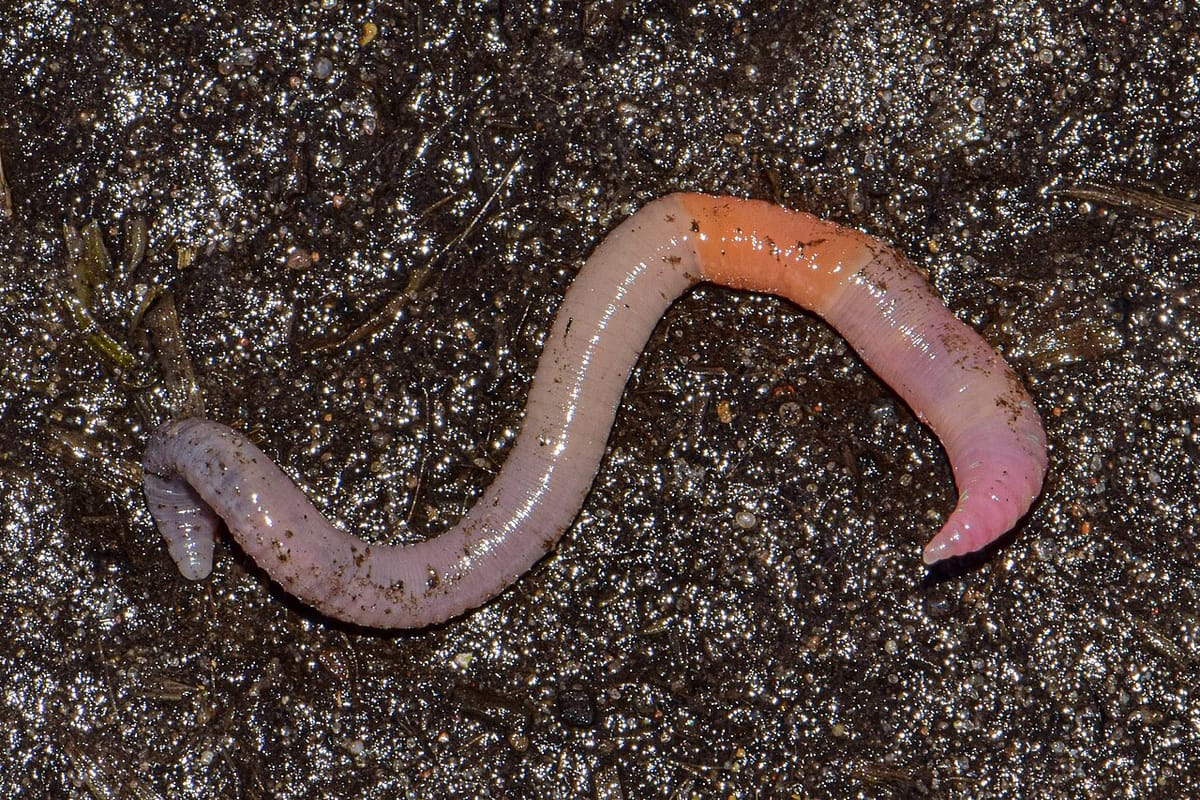
Every gardener eventually learns where the real garden is. It isn’t the tomatoes or the dahlias — those are the visible dividends. The garden is the eight inches under them: a living system of minerals, dead things becoming food, fungal threads, bacteria by the billion, and earthworms doing nightly tillage. Feed that system and nearly everything above it goes right. Ignore it and no amount of fertilizer, spray, or good intentions compensates.
The encouraging news is that soil improvement — which sounds like a civil-engineering project — is mostly one material applied with patience. This guide covers diagnosing what you have (two kitchen-grade tests), the universal fix and why it works on opposite problems, the specific programs for clay and for sand, and the popular myths that actively make soil worse. No products with proprietary names required.
Diagnose first: two tests and one mail-in
The ribbon test (what’s my texture?). Moisten a lump of soil to putty consistency, squeeze it into a ball, then press it between thumb and forefinger into a flat ribbon over your finger. Read the result like a fortune teller:
- Ribbon extends past 2 inches before breaking: heavy clay. Sticky wet, brick-hard dry, slow to drain, rich in nutrients it won’t share.
- 1–2 inches: clay loam — clay’s manageable cousin.
- Under an inch, crumbles, feels smooth-ish: loam territory. Congratulations; maintain and skip ahead.
- Won’t ribbon at all, gritty, falls apart: sand. Drains instantly, starves quickly.
The jar test (the second opinion). Fill a straight-sided jar a third with soil, top with water and a drop of dish soap, shake hard, and let it settle for a day or two. Sand lands in minutes (bottom layer), silt in hours (middle), clay in days (top). The layer proportions literally draw you a pie chart of your texture.
The mail-in (what’s my chemistry?). Your state extension’s soil test (~$10–25) reports pH and nutrient levels with recommendations attached. It matters because pH gates everything: outside roughly 6.0–7.0, nutrients already in your soil become chemically unavailable, and no fertilizer fixes a lockout. Acid soil gets lime, alkaline gets sulfur, and only a test tells you which and how much — guessing at pH adjustment is how soils get wrecked in the other direction.
While diagnosing, note the free clues: standing water a day after rain (drainage problem), moss (often acidity plus compaction plus shade), soil you can’t push a screwdriver into when moist (compaction), few worms in a forkful (depleted biology).
The universal fix, and why it works on opposites
Here is the near-magic fact of soil science: organic matter fixes clay and sand — opposite problems — by the same mechanism.
Clay’s problem is particles so fine they pack airless and waterlogged. Compost’s humic compounds and the microbes they feed glue clay particles into crumbs — aggregates with air gaps between them. Water drains through the gaps; roots follow.
Sand’s problem is particles so coarse that water and nutrients fall straight through. The same organic matter acts as sponge and pantry — holding water against gravity, holding nutrients against leaching, both released on plant demand.
One material, both directions, plus the part no bagged product replicates: organic matter is food for the workforce. Earthworms, fungi, and bacteria fed annually do your tilling, aggregate-building, and nutrient-cycling around the clock, free. This is why the entire program can be stated in one sentence: add 2–3 inches of compost or equivalent organic matter to every bed, every year, forever. Homemade compost is the ideal (free, and you know what’s in it); municipal compost, leaf mold, and well-aged manure are all honorable. Everything else in this article is elaboration.
The clay program
Clay soil is wealth locked in a vault — usually fertile, always difficult. The keys:
- Never work it wet. One season of digging or rototilling wet clay produces clods that last years. The squeeze test gates all work: if a squeezed handful smears rather than crumbles, walk away until it dries.
- Compost on top, fork optional. Spread the annual 2–3 inches. First year on hard ground, loosen with a digging fork (drive, rock, step back — not flipping the soil over) and work compost into the top few inches. After that, top-dressing alone suffices; the workforce incorporates it.
- Stop the compaction. Clay compresses like modeling clay underfoot. Permanent beds with paths — never a footstep on growing soil, the same geometry as raised beds — protect structure better than any amendment. Raised beds themselves are clay country’s honest shortcut: imported good soil, working today, while the ground below improves on its own schedule.
- Mulch always. Bare clay crusts concrete-hard in sun and seals in rain. Two to three inches of straw, leaves, or wood-chip mulch keeps it workable and keeps the worms working the surface layer.
- Roots as subcontractors. Deep-rooted cover crops — daikon-type tillage radish sown in late summer, rye over winter — drill channels no fork reaches, then die into food. Even a fall sowing of crimson clover on empty beds beats bare winter clay.
What not to do gets its own line: do not add sand. Sand-into-clay in garden quantities produces the aggregate mix civil engineers compact under roads. It’s the most persistent myth in gardening and it manufactures something like low-grade concrete, permanently. (Gypsum, the other clay folk remedy, has legitimate but narrow uses — mainly sodium-affected soils, confirmed by test; on ordinary clay it’s a minor player, not a fix.)
The sand program
Sandy soil is easy to dig and impossible to satisfy — a colander for water and fertilizer. The program is the same headline with different emphasis:
- Organic matter, more and oftener. Sand burns through organic matter fast (all that oxygen accelerates decomposition), so split the annual ration: compost in spring and fall beats one big dose. Aim high — 3 inches a year while building.
- Mulch is non-negotiable. Evaporation is sand’s other thief; a thick mulch blanket halves it and shades the surface where the organic matter is working.
- Water and feed little-and-often. Until the sponge is built, sandy beds want smaller, more frequent watering and modest, split fertilizing — big doses of either simply leach past the roots into the subsoil. Slow-release organic fertilizers fit sand far better than quick salts.
- Cover crops double as mulch. A living cover over winter stops rain from stripping the profile bare, then becomes spring’s green manure.
Sand’s consolations: no compaction worries, early spring warm-up, and root crops that come out of the ground straight and clean. Build the sponge and sandy beds become superb.
Alt: Garden fork revealing dark, crumbly, worm-rich improved soil structure
Caption: The success metric: crumbs, channels, and a workforce in residence.
The no-dig question, answered practically
The traditional model — till everything in every spring — is losing to the evidence. Routine tillage shatters the aggregates you’re trying to build, tears the fungal networks that feed roots, kills earthworms, exposes stored organic matter to burn-off, wakes dormant weed seeds by the thousand, and (with rotary tillers especially) polishes a compaction pan just below blade depth.
The no-dig alternative is disarmingly lazy: everything — compost, amendments, mulch — goes on top; biology does the mixing, as it has managed under every forest and prairie since the invention of dirt. Practical translation for a home gardener:
- Breaking new ground: cardboard over the grass, 3–4 inches of compost on the cardboard, plant into it — the starter-guide method, which is no-dig from day one.
- Existing beds: annual compost top-dress, permanent paths, fork only to loosen genuine compaction (rock, don’t flip), broadfork if you’re fancy.
- The exceptions that justify steel: first-time incorporation of lime/sulfur per soil test, harvesting potatoes, removing woody roots. Tools exist to be used occasionally — it’s the annual ritual inversion that costs more than it pays.
Patience math (why this works and products don’t)
The additives aisle offers soil fixes by the jug, and the honest chemistry is: structure cannot be poured. Aggregates are built — microbes eating organic matter, excreting glues, year over year. What that buys on a real calendar:
- Year one: compost in, immediate improvement in workability and water behavior; a good garden.
- Years two to three: worm counts jump, spring digging gets suspiciously easy, watering intervals stretch, fertilizer needs drop (the lawn’s topdressing works identically).
- Years four to five: the bed drains in storms and holds through droughts, plants shrug at weather that flattens the neighbors’, and the annual compost layer feels less like repair and more like tribute.
Soil improvement is the rare investment where the compounding is literal — every year’s organic matter feeds the workforce that makes next year’s addition work harder. Which reframes the whole project pleasantly: you’re not fixing dirt; you’re keeping livestock, billions of them, and they work for kitchen scraps. Start the pile, spread the first layer this weekend, and let the workforce take it from there.
Frequently asked questions
What is the fastest way to improve garden soil?
There is no fast way that lasts, but the fastest honest one: spread 2–3 inches of compost on the bed and either fork it into the top few inches or simply leave it as a mulch for soil life to incorporate. Repeated every year, this fixes clay, sand, and everything between. One-time fixes and miracle additives don't exist; annual organic matter does.
How do I know if I have clay or sandy soil?
The ribbon test: squeeze moist soil, then press it between thumb and finger into a ribbon. A ribbon over two inches long means heavy clay; one to two inches, clay loam; crumbles before an inch, loam or sandier; won't hold any shape and feels gritty, sand. Thirty seconds, no kit required.
Should I add sand to loosen clay soil?
No — this is the most damaging soil myth in circulation. Sand mixed into clay in home-garden amounts produces something closer to concrete: fine clay particles pack around the sand grains. What loosens clay is organic matter — compost, leaf mold, aged manure — which glues clay particles into crumbs with air between them.
Do I need a soil test before amending?
For pH and nutrients, yes — a $10–25 test through your state extension turns fertilizing from guesswork into instructions, and it's the only way to know if you need lime (acid soil) or sulfur (alkaline). But you don't need any test to justify compost: organic matter improves every soil type at any pH.
What's the difference between compost, mulch, and fertilizer?
Fertilizer feeds plants directly with concentrated nutrients. Compost feeds and builds the soil itself — structure, water-holding, microbial life — with mild nutrition included. Mulch is any covering on the surface (which may be compost, or bark, straw, leaves) that suppresses weeds and holds moisture. Healthy beds usually want compost yearly, mulch always, fertilizer occasionally.
How long does it take to fix bad soil?
You can plant a much-improved bed the first season — 2–3 inches of compost forked in makes an immediate difference. But the deep transformation, where clay drains and sand holds water and earthworms run the tillage, is a three-to-five-year compounding project. Year-one soil grows a decent garden; year-four soil grows itself.
Is tilling good or bad for soil?
Occasional tilling to break new ground or blend heavy amendments has its place. Routine annual tilling works against you: it shatters soil structure, kills fungal networks and earthworms, wakes dormant weed seeds, and creates a compacted pan just below blade depth. The modern approach — no-dig — adds everything from the top and lets soil life do the mixing.