Starting a Cut Flower Garden: What to Grow and How to Harvest It
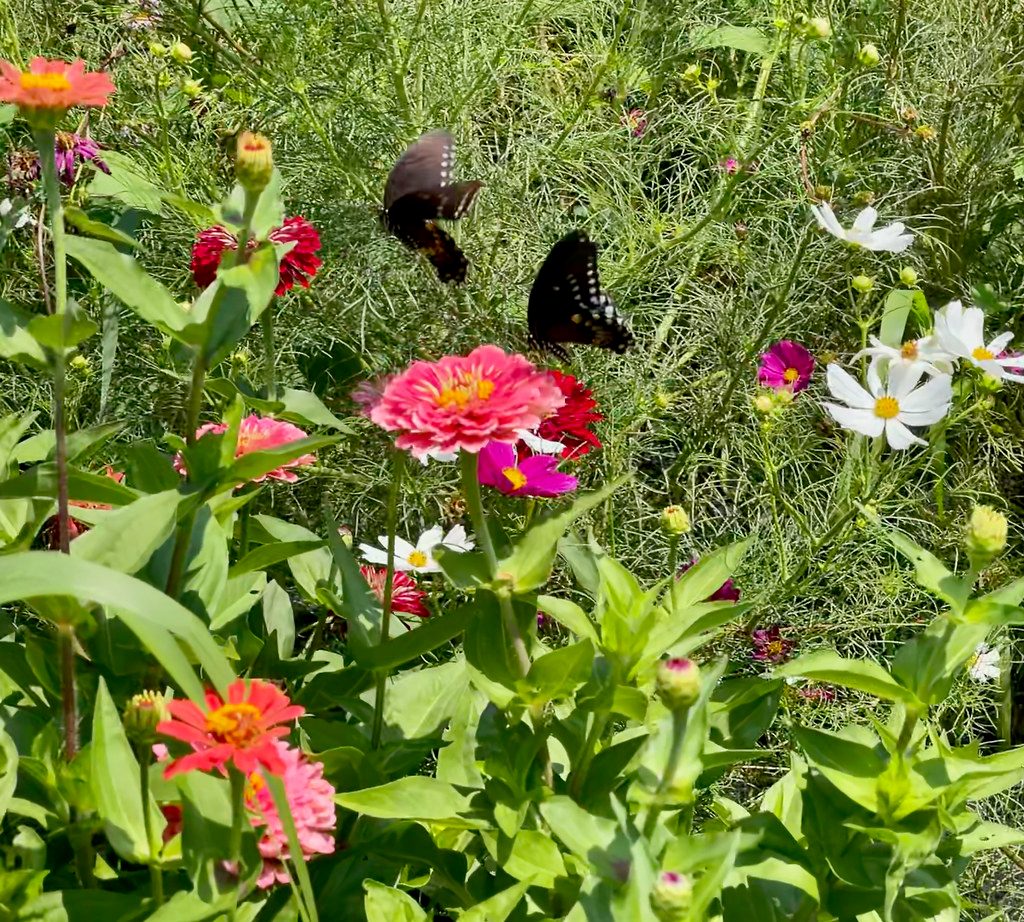
There’s a particular kind of restraint that comes with growing flowers purely for their beauty in the garden — an instinct to leave every bloom exactly where it is, because cutting one feels like taking something away from the display. A cutting garden solves that tension by design: it’s a bed planted specifically to be harvested, dense with flowers that don’t just tolerate cutting but produce more because of it, so filling a vase every week never means stripping your front border bare.
This guide covers building that bed from scratch — sizing it, choosing beginner-friendly flowers that reward heavy harvesting, and the specific technique that makes cut flowers last considerably longer in a vase than most people manage on their first attempt.
Design it differently from an ornamental bed
The single biggest mental shift for a first cutting garden: it doesn’t need to look good from a distance, because it’s meant to be constantly disturbed. Where an ornamental border is designed for how it reads as a whole composition, a cutting garden is typically planted in straight rows, purely for practical access — easy to walk between, easy to see what’s ready, and easy to replant a section once it’s spent without disrupting a carefully composed visual arrangement.
This also means a cutting garden doesn’t need a prominent spot. Many gardeners tuck it in a side yard, a sunny back corner, or as one section of a larger vegetable garden — anywhere with the six-plus hours of sun most cutting flowers demand, without needing to also look polished from the kitchen window. If your layout planning already mapped a “growing zone” separate from the “looking zone,” a cutting garden fits naturally into the growing side.
Size: a 4-by-8-foot bed, planted in a few dense rows, produces a surprising volume of flowers — enough for weekly bouquets all summer for most households. This is a smaller commitment than most first-timers expect, and a good size to prove out before expanding.
Choosing beginner flowers: prioritize prolific rebloomers
The best cutting-garden flowers share one trait above all: they bloom more, not less, the more you cut them — the same mechanism covered in our deadheading guide, just applied at garden scale with scissors instead of fingertips.
Zinnias are the standout beginner choice — large, easy seeds, blooming within about two months, available in nearly every color, and more productive under regular heavy cutting than left alone. Pinching the central stem early in the season (covered in our easy annuals guide) multiplies stem count further.
Cosmos deliver airy, graceful stems that make excellent filler in mixed arrangements, thrive on lean soil and cutting, and self-sow reliably for next year.
Sunflowers, particularly branching varieties bred for cutting rather than single-giant-head types, produce continuous vase-sized blooms all summer — our dedicated sunflower guide covers the branching-versus-giant distinction in full.
Snapdragons add vertical structure and interesting flower form to arrangements otherwise dominated by round daisy-type flowers, and tolerate a light frost, extending the cutting season at both ends.
Dahlias, once the basics above are established, offer some of the showiest and most varied flower forms available from a home garden, though they need staking and, in colder climates, digging up the tubers each fall — a worthwhile second-year addition rather than a first-season starter.
Foliage and filler plants are worth including once the core flower list is established — arrangements built entirely of large blooms tend to look crowded and one-note, while a bit of airy filler (dill or fennel foliage, ornamental grasses, or simply extra cosmos foliage) gives a bouquet the loose, layered look of a professionally arranged one rather than a tight bunch of flower heads.
Extending the season at both ends
A single planting of warm-season annuals delivers a strong midsummer harvest but leaves gaps in spring and fall. Two additions close those gaps: cool-tolerant flowers like sweet peas and calendula, sown a few weeks before last frost per the timing in our easy annuals guide, bloom before the summer crowd gets going, while a second succession sowing of zinnias or cosmos in early-to-mid summer keeps stems coming well into fall, after the first planting’s productivity naturally tapers. Treating the cutting garden as a sequence of overlapping plantings, rather than one bed sown once in spring, is what turns a seasonal burst into months of continuous bouquets.
Alt: Cutting garden planted in straight rows with zinnias and cosmos, one row recently harvested
Caption: Rows, not borders — a cutting garden is built for access, not for looking undisturbed.
Planting for maximum stem production
Cutting-garden flowers are typically planted more densely than the same species would be in an ornamental border, since the goal is maximum stem count rather than each individual plant’s fullest natural form. Follow the tighter end of any spacing range on the seed packet, and consider succession sowing — planting a new short row every two to three weeks through late spring and early summer — to keep a continuous supply coming rather than one large flush that peaks and declines all at once.
Support matters more here than in an ornamental bed. Because cutting-garden flowers are planted densely and grown for long, straight stems (ideal for a vase), many benefit from simple horizontal netting or a grid of stakes and twine run a foot or two above the ground early in the season, which the growing stems push up through — this keeps a dense planting from flopping over into a tangled mess as it matures, especially after rain or wind.
Harvesting: when and how, in detail
Timing matters as much as technique. Cut in the early morning, after dew has dried but before the day’s heat sets in, when stems are most fully hydrated. Flowers cut in the heat of the afternoon, already under some water stress from the day, tend to wilt faster in the vase regardless of how carefully you handle them afterward.
The cut itself:
- Bring a bucket of water out to the garden rather than carrying cut stems dry — get them into water within minutes of cutting.
- Cut at an angle (increases the surface area for water uptake) using clean, sharp snips.
- Cut most flowers when they’re not yet fully open — many, including zinnias and cosmos, continue opening in the vase and last considerably longer if harvested at this earlier stage rather than at full, mature bloom.
- Once inside, recut every stem underwater — an inch or so trimmed off while the stem end is submerged in a sink or basin. This step matters more than most people realize: a stem cut in open air draws in a tiny air bubble that can partially block water uptake, and recutting underwater eliminates that blockage entirely.
- Strip all foliage that would sit below the vase’s water line. Submerged leaves rot quickly, clouding the water and breeding the bacteria that are the single fastest way a bouquet declines.
Making arrangements last
Beyond the harvest technique itself, a few habits meaningfully extend vase life:
- Use a clean vase — residue from a previous arrangement harbors bacteria that will shorten the next one’s life considerably.
- Change the water every two to three days, recutting stems underwater each time you do.
- Keep arrangements away from direct sun, heat sources, and ripening fruit — fruit releases ethylene gas as it ripens, which accelerates flower aging and petal drop even at a small distance.
- Consider a simple flower food packet (often included with store-bought bouquets, or a homemade version of sugar, a few drops of bleach, and a splash of lemon juice in the vase water) — it feeds the cut flowers and suppresses bacterial growth simultaneously.
The season, in practice
A first-year 4-by-8-foot cutting bed, planted with zinnias, cosmos, sunflowers, and snapdragons in succession-sown rows starting after last frost, typically produces enough for a fresh bouquet every week from midsummer through the first fall frost — cut early morning, recut underwater, arranged in a clean vase, lasting a week or more with basic care. It’s a modest garden investment that changes an entire household’s relationship with fresh flowers, from an occasional store purchase to a standing weekly habit that costs nothing beyond the initial seed packets and a bit of harvested-morning time in the garden.
Frequently asked questions
What's the difference between a cutting garden and a regular flower bed?
A cutting garden is planted and managed specifically to be harvested — grown in rows for easy access rather than for how the bed looks from a distance, planted more densely since flowers will be continuously removed, and often tucked in a side or back area rather than a prominent front border. A regular ornamental bed is designed to look full and undisturbed at all times, which conflicts with heavy cutting.
How much space do I need for a cutting garden?
A surprisingly small area can supply regular bouquets — a 4-by-8-foot bed, planted in rows, produces enough zinnias, cosmos, and other prolific bloomers for weekly arrangements all summer for most households. Size up from there based on how often you want to cut and how many people you're supplying.
What flowers are easiest for a beginner cutting garden?
Zinnias, cosmos, and sunflowers top the list — all direct-sown, fast to bloom, and genuinely produce more flowers the more you cut them, which is the opposite of what beginners usually expect. Dahlias and snapdragons are excellent second additions once the basics are established, offering different flower forms for more varied arrangements.
When is the best time of day to cut flowers for a vase?
Early morning, after any dew has dried but before the day heats up, when stems are most hydrated and flowers are least stressed. Cutting during the heat of the afternoon, when plants are already under some water stress, tends to produce blooms that wilt faster in the vase regardless of how well you care for them afterward.
Why do my cut flowers wilt so quickly compared to store-bought ones?
Usually a harvesting or hydration issue rather than the flowers themselves — recut stems underwater immediately after bringing them inside (air bubbles drawn into a stem cut in open air block water uptake), strip any foliage that would sit below the water line (it rots and shortens vase life), and use a clean vase, since bacterial buildup in dirty water is one of the fastest ways to end a bouquet early.
Does cutting flowers hurt the plant?
For the vast majority of cutting-garden flowers, the opposite is true — regular cutting acts exactly like deadheading, prompting the plant to produce more blooms rather than allowing it to set seed and wind down. Cutting-garden flowers are specifically chosen because they respond to harvest with more production, not less.
How do I extend the life of flowers once they're in a vase?
Recut stems at an angle underwater, remove all foliage below the waterline, use a clean vase with fresh water, and change the water every two to three days, recutting stems each time. Keep the arrangement away from direct sun, heat sources, and ripening fruit (which releases ethylene gas that speeds flower aging).