How to Deadhead Flowers: The Technique That Extends Every Bloom Season
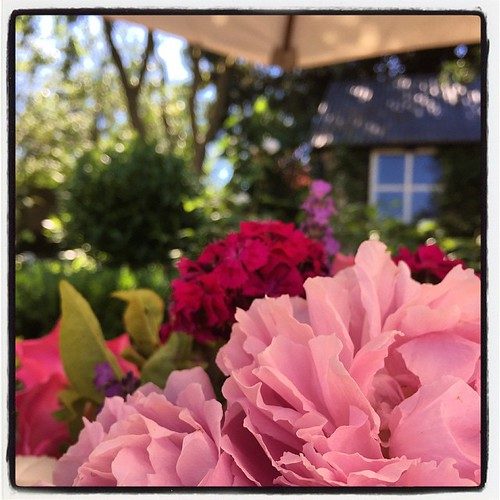
There’s a small, satisfying trick at the heart of flower gardening that costs nothing, takes seconds per plant, and changes how long a garden stays in bloom: deadheading, the simple act of removing spent flowers before they go to seed. It sounds almost too minor to matter, and yet the difference between a deadheaded zinnia patch and a neglected one by late summer is dramatic — one still blooming hard, the other largely done and going to seed with sparse new flowers to show for it.
The mechanism is worth understanding because it explains why the technique works and when it doesn’t apply. This guide covers the biology in brief, the correct cut for different plant types, which modern varieties skip the need entirely, and a realistic rhythm for keeping up with it through a full growing season.
The mechanism: why removing a flower produces more flowers
Most flowering plants — annuals especially, and many perennials — have a biological objective that has nothing to do with looking pretty for you: produce viable seed before the season ends. Once a flower is pollinated and begins forming seed, much of the plant’s energy shifts toward developing and ripening that seed, and flower production slows or stops, since as far as the plant is concerned, its reproductive job for that stem is already underway.
Deadheading interrupts this by removing the spent flower before seed development gets very far, effectively telling the plant its reproductive attempt failed. Many plants respond by trying again — producing a new flower bud, sometimes from the same stem, sometimes from a new side shoot — in another attempt to set seed. Repeat this every time a flower fades, and a plant can be kept in a near-continuous cycle of blooming rather than allowed to complete its reproductive cycle and wind down for the season.
This is exactly the same principle behind harvesting cut flowers regularly, covered in our easy annual flowers guide — cutting a bloom for a vase and deadheading a spent one are functionally the same act from the plant’s perspective; one just happens to also fill a vase.
Making the right cut
The most common deadheading mistake is simply snipping off the flower head itself and leaving a bare, awkward stem stub behind — technically effective at stopping seed formation, but visually messy and, for many plants, not the cut that most encourages fresh growth.
The better technique: follow the flower’s stem down to the first set of healthy leaves, a side bud, or a leaf junction, and cut there instead — usually an inch or more below the spent bloom itself. This accomplishes two things at once: it removes the flower cleanly with no unsightly bare stub, and cutting just above a leaf junction or lateral bud often prompts the plant to branch and produce a new flowering stem from that exact point, similar to the pinching technique used on basil and other herbs to encourage bushier growth.
For soft-stemmed flowers (zinnias, marigolds, cosmos, many annuals), fingers work perfectly well — pinch the stem between thumb and forefinger at the chosen point and snap it cleanly. For thicker or slightly woody stems (salvia, some perennials, roses), small pruning snips give a cleaner cut than pinching, which can crush or tear tougher stem tissue rather than severing it neatly.
Alt: Comparison showing correct deadheading cut above a leaf junction versus an incorrect bare stem stub
Caption: The difference between a tidy rebloom and an awkward bare stub comes down to where, not just whether, you cut.
Which plants need it
Most annuals — zinnias, marigolds, cosmos, snapdragons, and many others — respond strongly to deadheading, often producing a noticeably fuller and longer bloom season with regular attention compared to being left alone.
Many repeat-blooming perennials respond just as well: salvia and catmint, in particular, benefit from a fuller shearing back (removing the whole spent flower spike rather than one bloom at a time) once the first flush fades, which prompts a genuine second or third wave of bloom later in the season — the technique covered in our perennials-that-bloom-all-summer guide.
Some modern varieties skip the requirement entirely. Plant breeding has produced increasingly popular self-cleaning varieties — many newer petunia, calibrachoa, and some zinnia cultivars — where spent blooms drop or fade discreetly on their own and the plant continues flowering regardless of whether anyone deadheads it. Check plant tags and seed packets for this term before assuming a plant needs the manual intervention; it can save real time in a large planting.
A few plants are better left alone late in the season on purpose. Coneflower, black-eyed Susan, and similar perennials are frequently grown partly for their seed heads — left standing through fall and winter, they feed goldfinches and other birds through the leanest months, a benefit covered in our fall cleanup guide. Deadhead these earlier in the season to extend bloom if you like, but let the final flush of the year go to seed deliberately rather than tidying away a genuine wildlife benefit.
A realistic rhythm, not a daily chore
Deadheading doesn’t need to be a dedicated task — folding it into a regular garden walk-through, the same habit useful for spotting pests early, covers most of the need. Once or twice a week during peak bloom season is generally enough to stay ahead of seed formation in most home flower beds; daily attention isn’t necessary and can turn an easy, pleasant task into an unwelcome chore.
Carry small snips or simply use fingers while doing another garden task — watering, checking for pests, harvesting vegetables — and deadhead whatever’s visibly spent along the way. This passive approach, done consistently, keeps most flower beds blooming hard through the season without ever feeling like separate, dedicated work.
Common deadheading mistakes worth avoiding
Cutting too high, right below the flower head. This is the most common technique error — it leaves a bare, awkward stem stub that neither looks tidy nor reliably prompts new branching. Following the stem further down to an actual leaf junction, even though it means removing more stem tissue, produces a better result on nearly every plant covered above.
Deadheading spike-form flowers one bloom at a time. Flowers that grow in tall spikes — salvia, snapdragons, delphinium — bloom from the bottom of the spike upward, and individual florets fade well before the whole spike is finished. Rather than picking off single faded florets, wait until the majority of a spike has finished flowering, then remove the entire spent spike back to a leaf junction or side shoot in one cut — far faster and just as effective as fussing over each individual floret.
Forgetting that some “dead” heads are seed pods in progress. A few weeks after a flower fades, what looks like a dried, spent bloom may already be a developing seed pod — removing it at that stage still prevents that particular seed crop but won’t prompt much new flowering, since the plant has already moved well into its reproductive cycle. Catching blooms right as they fade, rather than well after, gets the most benefit from the technique.
Using dull or dirty tools on woodier stems. A crushed rather than clean cut on a stem thicker than a pencil (common on some perennial salvias and repeat-blooming shrub roses) can leave a ragged wound more prone to disease entry than a clean snip from sharp, clean pruners.
What happens if you skip it entirely
Nothing catastrophic — plants aren’t harmed by being left to set seed naturally, and many gardeners deliberately skip deadheading on certain plants specifically to let them self-seed for next year (cosmos, calendula, and several other easy annuals reliably reseed themselves this way, effectively planting next year’s flowers for free). The tradeoff is simply a shorter, less continuous bloom season on the plants left alone, as the plant completes its natural cycle toward seed rather than being redirected back into flowering.
Deadheading, in other words, isn’t a rule to follow uniformly across an entire garden — it’s a choice made plant by plant and week by week, between maximizing the current season’s bloom and letting a plant complete its own cycle, sometimes toward next year’s free seedlings. Most gardeners land somewhere in between: deadheading the showiest, most-loved bloomers through the season, and deliberately letting a few favorites go to seed as autumn approaches.
Frequently asked questions
What does deadheading actually do to a plant?
It removes a spent flower before it can set seed, and since making seed is most annual and many perennial flowers' biological goal, removing that option prompts the plant to produce more flowers instead, in another attempt to reproduce. It's essentially redirecting the plant's energy from seed production back into blooming.
How do I know where to cut when deadheading?
For most flowers, cut the stem back to just above the first set of healthy leaves or a lateral bud below the spent bloom — not just snipping off the flower head itself, which leaves an unattractive bare stem behind. Following the stem down to the next leaf junction and cutting there produces a much tidier plant and often encourages branching.
Do all flowers need deadheading?
No — many modern flower varieties, especially newer petunia, calibrachoa, and some zinnia cultivars, are bred to be 'self-cleaning,' meaning spent blooms drop or fade unobtrusively without intervention and the plant keeps flowering regardless. Check plant tags for terms like 'self-cleaning' before assuming deadheading is required.
Should I deadhead perennials as well as annuals?
Many perennials benefit from it too, particularly repeat-bloomers like salvia, catmint, and coreopsis, which flower again within weeks of being deadheaded or sheared. Some perennials, however, are grown partly for their seed heads (coneflower, black-eyed Susan) and are better left undeadheaded late in the season so the seed heads can feed birds through winter.
What tools do I need to deadhead flowers?
For most soft-stemmed flowers, fingers alone work fine — pinching a spent bloom off between thumb and forefinger. For thicker or woodier stems, small pruning snips or scissors give a cleaner cut and avoid crushing or tearing the stem, which pinching can sometimes do on tougher growth.
How often should I deadhead my flower garden?
Roughly once or twice a week during peak bloom season keeps most gardens ahead of seed formation without becoming a daily chore. Checking during a regular garden walk-through — the same habit useful for spotting pests early — is an efficient way to fold deadheading into time you're already spending in the garden.
Is it too late to deadhead if a flower has already started forming seed pods?
It's still worth doing, though the benefit is smaller the further along seed formation has progressed. Removing a bloom just as it fades, before visible seed pods form, redirects the most energy back into new flowers; catching it later still helps some, since the plant hasn't yet completed and dispersed that reproductive cycle.