Identifying Common Garden Pests: A Visual Field Guide
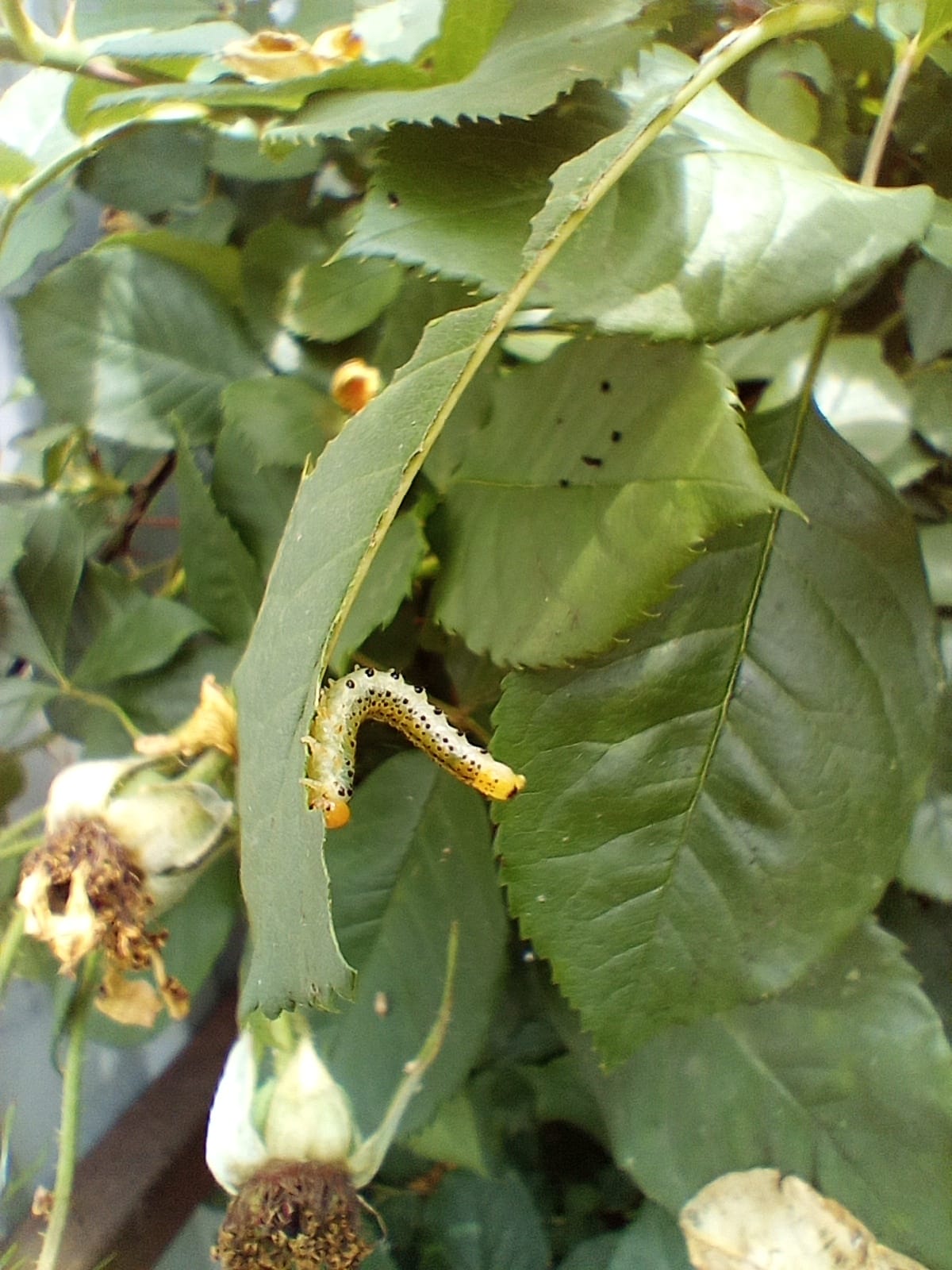
The most useful skill in garden pest management isn’t a product or a spray technique — it’s identification. A gardener who can name what’s eating their squash treats it correctly the first time; a gardener who can’t tends to reach for the broadest, strongest option available, which usually costs more, harms more beneficial insects, and often doesn’t even target the actual problem. This guide is built to shortcut that process: match the damage you’re seeing (or the insect itself) to the right entry below, and you’ll know within a minute what you’re dealing with and where to go for the fix.
Read the damage first — it’s often more diagnostic than the insect
Before hunting for the culprit itself, look closely at the damage pattern. Different feeding styles leave distinctly different signatures:
- Ragged, irregular holes with silvery slime trails → slugs or snails, almost always feeding at night.
- Smooth, rounded holes eaten from leaf interiors or edges → caterpillars or leaf beetles.
- Fine stippling, dusty or bronzed-looking leaves, sometimes with fine webbing → spider mites.
- Skeletonized leaves (only the veins remain, like lace) → Japanese beetles or similar leaf beetles feeding in groups.
- Seedlings or young transplants severed clean at the soil line, plant lying nearby → cutworms.
- Sticky, shiny residue on leaves, sometimes with black sooty mold growing on it → aphids, whiteflies, scale, or mealybugs, all of which excrete sugary honeydew as they feed.
- Tunnels or serpentine trails within the leaf tissue itself → leafminers.
- Sudden wilting of an entire squash or cucumber vine → vine borers or squash bugs, discussed below.
Once the damage type narrows the field, the entries below help confirm the specific pest.
Aphids
Appearance: Tiny, soft-bodied insects, often less than an eighth of an inch, in shades of green, black, yellow, or pink, clustered densely on new growth, stem tips, and the undersides of leaves.
Damage: Yellowing, curled, or distorted new growth; sticky honeydew on leaves and anything beneath the plant; sooty mold growing on the honeydew in heavy infestations. Rarely fatal to established plants but can seriously stunt seedlings and young transplants.
What to do: The full treatment ladder — from a strong water spray to insecticidal soap to encouraging ladybugs — is covered in our dedicated aphid guide.
Caterpillars (cabbage worms, hornworms, and others)
Appearance: Soft-bodied larvae in various colors and sizes depending on species — pale green cabbage worms on brassicas, large green tomato and tobacco hornworms with a distinctive rear horn, and many others. Look for a distinct head capsule and several pairs of stubby prolegs along the body in addition to true legs near the front.
Damage: Smooth, rounded holes chewed through leaves, sometimes stripping a plant to bare stems in severe cases; dark green droppings (frass) on leaves below the feeding site are a reliable sign one is present nearby even if it’s well camouflaged.
What to do: Hand-picking is effective for most caterpillars, since they’re large enough to spot and remove individually once you know to look — check leaf undersides and search near frass droppings. Bacillus thuringiensis (Bt), a naturally occurring bacterium sold as an organic-approved spray, targets caterpillars specifically without harming bees or other beneficial insects, making it a good next step for larger infestations.
Japanese beetles
Appearance: Metallic green bodies with copper-bronze wing covers, roughly half an inch long, often found feeding in clusters on the same plant during midsummer.
Damage: Skeletonized leaves — the soft tissue eaten away between veins, leaving a lace-like remnant — on a wide range of plants including roses, beans, and many ornamentals. Their grub stage lives in lawns, feeding on grass roots and sometimes causing brown patches.
What to do: Hand-picking into soapy water works well in the cool of morning, when beetles are sluggish. Avoid pheromone traps sold for home use — research shows they often attract more beetles to the yard than they capture. Row covers protect vulnerable plants during the roughly six-week adult feeding period each summer.
Squash bugs and squash vine borers
Appearance: Squash bugs are flat, shield-shaped, grayish-brown insects about five-eighths of an inch long, often found in clusters on stems and leaf undersides, alongside distinctive bronze, football-shaped egg clusters on the underside of leaves. Vine borers are the larvae of a day-flying moth, and the adult itself resembles a wasp; the damage-causing larva lives hidden inside the stem.
Damage: Squash bugs cause yellow speckling and eventual wilting of leaves where they feed. Vine borers cause sudden, otherwise-unexplained wilting of an entire vine — check the base of the stem for a small entry hole and sawdust-like frass, the telltale sign the larva is feeding inside.
What to do: Check leaf undersides weekly starting in early summer and scrape off egg clusters before they hatch. For vine borers, a slit made lengthwise in the stem near the entry hole (followed by removing the larva) can sometimes save an otherwise doomed vine; prevention through row covers during egg-laying season is more reliable than after-the-fact rescue.
Alt: Squash bug egg cluster on the underside of a squash leaf
Caption: Found weekly and scraped off, these eggs never become the problem they're capable of becoming.
Spider mites
Appearance: Barely visible to the naked eye — more reliably identified by their damage and fine webbing than the mites themselves, though a hand lens reveals tiny reddish or pale specks moving on leaf undersides.
Damage: Fine stippling or a bronzed, dusty appearance across leaves, sometimes with delicate webbing visible between leaves and stems in heavy infestations. Thrives in hot, dry conditions and is often worse during droughts or on dust-covered plants near driveways and paths.
What to do: A strong, direct water spray on leaf undersides (repeated every few days) disrupts mite populations effectively and is often sufficient on its own, since mites favor dry, undisturbed conditions. Insecticidal soap is a reasonable next step for persistent infestations; avoid broad-spectrum insecticides, which frequently kill mite predators more effectively than the mites themselves and can cause populations to rebound worse than before.
Cutworms
Appearance: Plump, gray-brown caterpillars that curl into a tight C-shape when disturbed, living in the top inch or two of soil and feeding at night.
Damage: Young seedlings and transplants severed cleanly at the soil line, the plant often found lying next to its own stem the following morning — one of the most heartbreaking and identifiable pieces of pest damage in the whole garden, since it’s so sudden and total.
What to do: A simple cardboard or paper cup collar pushed an inch into the soil around each transplant’s stem physically blocks cutworms from reaching it, and is close to foolproof for the modest effort involved. This is worth doing preventively for the first few weeks after transplanting rather than waiting to see if cutworms are present, since the damage is total and irreversible once it happens.
Whiteflies
Appearance: Tiny, moth-like white insects that flutter up in a small cloud when an infested plant is disturbed, usually clustered on leaf undersides.
Damage: Similar to aphids — yellowing leaves, sticky honeydew, and sooty mold in heavy infestations — since whiteflies feed the same way, by sucking plant sap.
What to do: Yellow sticky traps placed near affected plants catch adults effectively and also serve as an early-warning monitoring tool. Insecticidal soap or horticultural oil, applied thoroughly to leaf undersides, manages heavier infestations; as with aphids, encouraging natural predators (several of the same beneficial insects that eat aphids also eat whiteflies) helps keep populations in check long-term.
Leafminers
Appearance: The adult flies are small and rarely noticed; it’s the larvae, tunneling within the leaf tissue itself, that cause the identifiable damage.
Damage: Winding, pale, serpentine trails visible within the leaf, tracing the larva’s path as it fed between the upper and lower leaf surfaces. Common on spinach, chard, beets, and related crops.
What to do: Remove and destroy affected leaves as soon as trails appear, before the larva completes its feeding and drops to pupate in the soil. Row covers applied before adult flies lay eggs prevent the problem more reliably than treating it after mining has started, since the larvae are protected inside the leaf tissue from most sprays.
The beneficial insects worth learning to recognize
Just as important as identifying pests is recognizing the insects working in your favor, so they aren’t mistaken for a problem and eliminated along with it:
- Ladybugs and their larvae (which look nothing like the adult — small, elongated, spiky, often orange and black, sometimes mistaken for a pest themselves) both consume large numbers of aphids.
- Lacewings, delicate green insects with lacy wings, and their larvae (sometimes called aphid lions) are voracious aphid predators.
- Parasitic wasps, mostly too small to notice, lay eggs inside caterpillars and other pests, eventually killing the host — a caterpillar covered in small white rice-grain-like cocoons has already been parasitized and is no longer a threat.
- Ground beetles, dark and fast-moving, hunt slugs, cutworms, and other soil-dwelling pests at night.
- Hoverflies, which resemble small bees but hover distinctively and have only one pair of wings, lay eggs whose larvae consume aphids in large numbers.
A garden that avoids broad-spectrum insecticides and offers some flowering plants (alyssum, dill, and other small-flowered species are favorites) generally builds a resident population of these predators over a season or two, providing pest control that requires no ongoing purchase or application.
The universal approach: identify, then escalate gently
Whatever the pest turns out to be, the same sequence applies: confirm the identification (photograph it and, if uncertain, submit it to your local extension office, which typically identifies pests from photos for free), start with the least invasive effective method (hand-picking, water spray, physical barriers), and only escalate to sprays — starting with the mildest, like insecticidal soap, before anything broader-spectrum — if the gentler methods aren’t keeping pace. This measured approach protects the beneficial insects doing free work in the same garden, and it’s the same philosophy behind our guides to aphids and slugs — identify carefully, then respond in proportion to what’s there.
Frequently asked questions
How can I tell what's eating my plants if I never see the insect?
The damage pattern itself is usually diagnostic. Ragged holes with slime trails point to slugs; smooth, rounded holes in leaf interiors point to caterpillars or beetles; stippled, dusty-looking leaves point to spider mites or thrips; entire seedlings cut off at the soil line point to cutworms. Timing matters too — night patrols with a flashlight catch nocturnal feeders like slugs and many caterpillars in the act.
Are all garden insects harmful?
No — the majority of insects in a healthy garden are neutral or beneficial. Ladybugs, lacewings, parasitic wasps, hoverflies, and ground beetles all prey on or parasitize actual pest species, and killing them indiscriminately with broad-spectrum products often makes pest problems worse by removing natural control. Learning to identify a handful of common beneficials is as valuable as identifying the pests themselves.
Should I spray my whole garden as a preventive measure?
No — preventive blanket spraying kills beneficial insects alongside pests, and since pest species generally reproduce faster than predator species, a sprayed garden often rebounds with worse pest pressure than an unsprayed one. Identify the actual problem first, then treat only the affected plants with the mildest effective method.
What's the difference between a beetle larva and a caterpillar?
Caterpillars (moth and butterfly larvae) typically have a soft, segmented body with a distinct head capsule and several pairs of stubby prolegs along the abdomen in addition to true legs near the head. Beetle larvae (grubs) vary more in appearance but often have a more C-shaped or cylindrical body, three pairs of true legs near the head, and no prolegs — the leg count and body shape are the most reliable quick distinguishing features.
How do I identify a pest I can't find in this guide?
Most state cooperative extension services offer free pest identification from a submitted photo, often turned around within a day or two, and many universities also host searchable online image databases of common regional pests. This is more reliable than guessing from an internet image search, since photos online are frequently mislabeled.
Do the same pests attack indoor and outdoor plants?
Some overlap (aphids, spider mites, mealybugs, scale, and fungus gnats all appear both indoors and out), but many outdoor pests — Japanese beetles, squash bugs, cabbage worms, slugs — are specific to garden conditions and rarely trouble houseplants. Indoor infestations are also easier to contain since there's no surrounding garden population to reinfest from.
Why do pest populations explode so suddenly in midsummer?
Most garden pests have short life cycles and multiple generations per season, so populations grow exponentially once conditions (warmth, available food) are favorable — a few aphids in June can become thousands by August if predators aren't keeping pace. Regular garden walks that catch problems in their early, small-population stage prevent this exponential curve from ever taking off.