Powdery Mildew: How to Treat It and Keep It from Coming Back
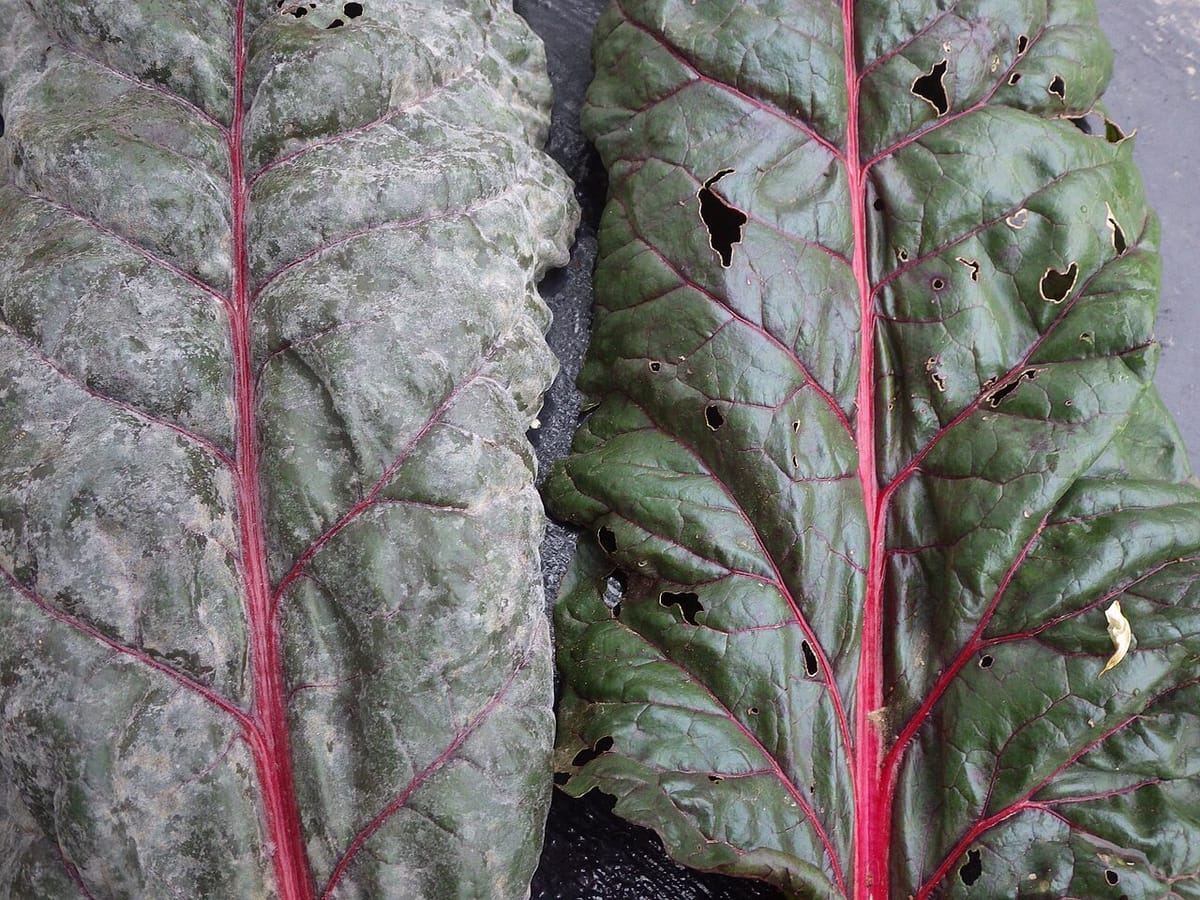
Sometime in late July, nearly every gardener performs the same ritual: bend over the zucchini, lift a leaf, and find it dusted white — as if someone shook a flour sifter over the bed in the night. Powdery mildew is the most recognizable disease in gardening, the one that needs no diagnostic app, and every August forum fills with the same alarmed question: is my garden doomed?
Short answer: no. Powdery mildew is common, manageable, usually survivable, and — this is the part worth learning — largely schedulable. You can’t reliably prevent its arrival, but you can decide whether it arrives in June and wrecks your season or shows up in late August to dust plants that have already fed you all summer. This guide covers how to recognize it, what works against it (including the folk remedy that turns out to be real), and the prevention stack that delays it until it doesn’t matter.
Know your enemy: a fungus that breaks the rules
Powdery mildew isn’t one disease but a family of related fungi, each specialized to its hosts — the mildew on your cucumbers is a different species from the one on your roses, phlox, bee balm, or lilac. What they share is a growth habit (white-to-gray powdery patches on leaf surfaces, spreading to stems and buds) and an unusual trick: they don’t need wet leaves to infect. Most fungal diseases wait for rain; powdery mildew wants only warm days, cool humid nights, and still air — which is why it flourishes in dry summers that keep other diseases away, and why crowded, shaded, unpruned corners of the garden always get it first.
The damage is subtraction, not assassination. A coated leaf photosynthesizes poorly; heavily infected leaves yellow, brown, and die early; the plant loses steam, fruit ripens slower and smaller, flowers dwindle. Young or stressed plants can be seriously set back. Mature, well-grown plants often shrug through a light case with barely a dent in the harvest.
Don’t confuse it with: downy mildew (yellow patches on top of leaves, gray fuzz underneath, loves wet weather and behaves far more destructively) or the natural silvery-white leaf mottling many squash varieties carry along their veins — that marbling is pigment, symmetrical, and rub-resistant. Powdery mildew smears when you rub it, sits in random circular patches, and starts on shaded lower leaves.
Triage first: how bad is it, and when is it?
Two questions set the response level:
How much is coated? A few patchy leaves is a pruning job. A quarter of the plant is a prune-and-spray campaign. A plant gone fully gray-white is past treatment — no spray recovers dead leaf tissue — and your move is harvesting what’s there and cleaning up thoroughly.
What month is it? Mildew on your squash in June threatens the whole season and justifies the full program below. The same coating in late August, on plants that have produced for two months and are winding down anyway, is nature’s way of ending the season — treat casually or not at all, and put the energy into fall cleanup instead. Panic-spraying senescent September plants is the classic wasted effort; the summer care guide’s note-taking habit is better spent recording which bed to fix next year.
Treatment: the sequence that works
Step 1 — Prune out the infection you can see
On a dry day, remove the worst-coated leaves — cut at the stem, straight into a bag or bucket, never dropped in the bed and never composted in a typical cool home pile (spores survive and recycle). On squash, taking the oldest, lowest, most-shaded leaves also opens airflow, which is treatment in itself. Limit removal to roughly a quarter to a third of the foliage — leaves are the plant’s engine, and scalping it trades one stress for another. Wash hands and snips before handling clean plants.
Step 2 — Spray the survivors weekly
Two gentle sprays have real evidence behind them; both protect green tissue rather than cure white tissue, so coverage and repetition matter more than product choice:
- Potassium bicarbonate (sold as garden fungicide; ~1 tablespoon per gallon with a few drops of dish soap as spreader) — alters leaf-surface pH and disrupts the fungus on contact. Slightly stronger than baking soda (sodium bicarbonate), which works too but adds sodium you don’t want with repeated use.
- Diluted milk — the folk remedy that passed its trials: roughly 1 part milk to 2–3 parts water, any milk type, sprayed in morning sunlight (the effect appears to be light-activated proteins). Multiple published studies on cucurbits and grapes found suppression comparable to conventional fungicides when applied preventively every 7–10 days.
Pick one, coat both leaf surfaces thoroughly, repeat weekly and after rain. Horticultural oil or neem labeled for mildew is the next rung if pressure stays high — applied in evening or cool hours, never in heat or drought stress, and never within two weeks of a sulfur product. For a home garden, the ladder rarely needs to go higher; the gentle-first escalation logic applies to diseases exactly as it does to pests.
Step 3 — Fix the conditions while you spray
Sprays without airflow changes are a subscription, not a solution. While treating: thin crowded stems, stake or trellis sprawlers up into moving air, pull the weeds crowding the bed, and stop any evening overhead watering (interestingly, a brisk morning hose-down of leaves can rinse spores and discourage colonization — the fungus prefers humid-but-dry-surfaced leaves; just make sure foliage dries by afternoon).
Alt: Homemade powdery mildew sprays — diluted milk and potassium bicarbonate solution — on a potting bench
Caption: The two kitchen-adjacent sprays with actual trial data behind them.
Prevention: how mildew gets scheduled
Everything above manages an outbreak. The bigger wins happen before one starts:
- Buy resistance. Seed catalogs mark powdery-mildew-resistant varieties (PM or PMR in the disease codes) for squash, cucumbers, melons, zinnias, phlox, bee balm, and more. Resistance isn’t immunity — it’s a four-to-six-week delay, which in practice moves the outbreak from July to September, when it’s irrelevant. This is the single highest-leverage line in this article, and it costs nothing.
- Full sun, honest spacing. Mildew’s first footholds are always the shaded, stagnant spots: the squash planted at half the packet’s spacing, the phlox against the fence. The spacing that looked wasteful in May — a theme regular readers will recognize from the beginner mistakes list — is August’s disease control.
- Water the soil, keep plants unstressed. Drought-stressed plants are mildew’s preferred victims (another reason the disease loves dry summers). Deep, regular base-watering per the summer routine keeps the plant’s own defenses funded.
- Feed moderately. Nitrogen-pushed growth is soft, dense, and delicious to fungi. Compost-fed steadiness beats fertilizer surges.
- Clean up in fall like it matters — because it does. Several mildew species overwinter in infected debris. Infected vines, stems, and leaves leave the garden in November (bagged or hot-composted), and next June starts cleaner.
- Rotate the usual victims to a different bed each year where space allows, pairing with the crop-rotation habit from the vegetable garden guide.
Crop-by-crop notes
- Squash and zucchini: the flagship victim. Resistant varieties plus removing the oldest leaves monthly keeps plants producing well into fall. Late-season mildew on a plant that’s already made you twenty zucchini is retirement, not tragedy.
- Cucumbers and melons: same family, same program — but melons need their leaves to sweeten fruit, so prevention (resistance, spacing) matters more than late rescue.
- Zinnias: buy resistant series, space honestly, and cut flowers constantly — the harvesting-is-maintenance rule keeps plants open and airy.
- Phlox and bee balm: perennial repeat offenders. If yours mildew annually, the durable fix is replacement with resistant cultivars — the difference is night and day — plus dividing crowded clumps.
- Roses, lilacs, fruit trees: manageable with pruning-for-airflow and dormant-season cleanup; persistent cases on roses respond to the same bicarbonate/oil rotation.
- Tomatoes: true powdery mildew is less common; most “white mold” reports on tomatoes are other issues — check the tomato troubleshooting guide before treating for the wrong disease.
The calibration worth keeping
Powdery mildew rewards a gardener’s most transferable skill: matching response to actual stakes. June infection on young plants — act fully and promptly. August dust on tired squash — harvest, shrug, plan. In both cases the real work happens at planting time (resistant seeds, sun, spacing) and in November (cleanup), which is powdery mildew’s little joke: by the time it’s visible, most of what decides the outcome has already been done or not done. Next year’s white dust is being scheduled right now.
Frequently asked questions
What causes powdery mildew?
A group of fungi that thrive in exactly the conditions of late summer: warm days, cool humid nights, crowded plantings, and shade. Unusually among fungal diseases, powdery mildew doesn't need wet leaves to infect — high humidity around the plant is enough, which is why it appears even in dry summers.
Will powdery mildew kill my plants?
Rarely outright. It weakens plants by blocking light to leaf surfaces, reducing yield and stressing them, and severely infected leaves yellow and die early. Vigorous plants in good conditions often carry mild infections to a normal harvest. The late-season mildew on August squash is largely cosmetic; June mildew on young plants deserves a real response.
Does the milk spray remedy actually work?
Surprisingly, yes — as prevention and early treatment. Diluted milk (roughly 1 part milk to 2–3 parts water) sprayed weekly in sunlight has shown genuine suppression in published trials on cucurbits and grapes, likely from proteins reacting with light to produce antiseptic compounds. It won't rescue heavily infected leaves; nothing does.
Can I compost leaves with powdery mildew?
A hot, actively managed pile handles them, but most home piles run cool, and mildew spores are built to travel — so the safe habit is binning or municipal-composting infected material. Never leave it lying in the bed over winter: this year's infected debris seeds next year's outbreak.
Why does my squash get powdery mildew every single year?
Because the conditions repeat: same crowded spot, same watering habits, and spores that overwinter in debris or blow in fresh each summer. Break the cycle with resistant varieties (marked PM on seed packets), full sun, generous spacing, base-watering, and fall cleanup. You likely won't eliminate it — the goal is arriving late and mattering little.
Is powdery mildew on my cucumbers the same disease as on my roses?
Same appearance, different fungi. Powdery mildews are host-specialized — the species on your cucurbits generally can't infect your roses or phlox, and vice versa. Practically, this means mildewed lilacs don't doom the vegetable bed, but it also means resistance must be bred crop by crop.
Do I need a commercial fungicide for powdery mildew?
For a home vegetable or flower garden, rarely. Pruning out early infections plus weekly sprays of potassium bicarbonate or diluted milk, on top of cultural fixes, manages most outbreaks. If you do buy something, potassium bicarbonate and horticultural-oil products labeled for powdery mildew are the gentle, effective end of the shelf. Skip preventive calendar-spraying of anything stronger.