10 Common Beginner Gardening Mistakes (and Their Easy Fixes)
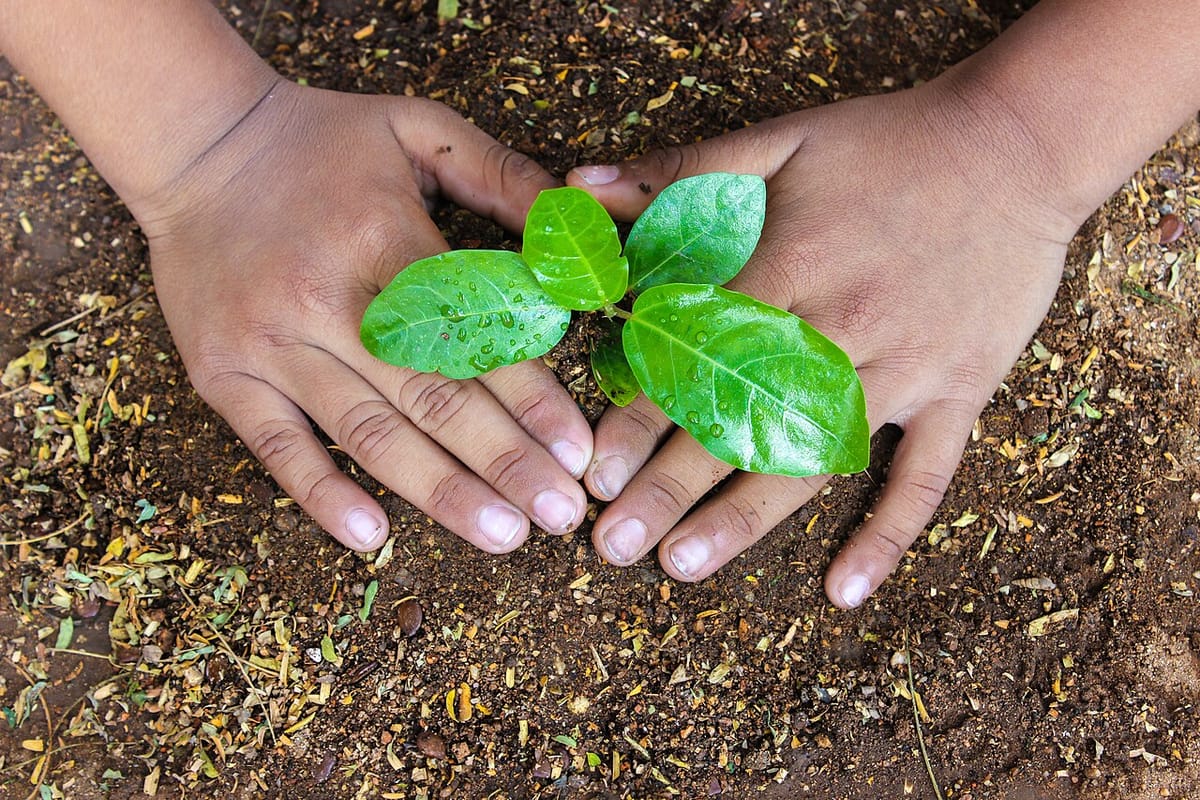
Gardening mistakes are so predictable they’re almost a curriculum. Talk to a hundred experienced gardeners about their first season and you’ll hear the same ten stories — the drowned tomatoes, the April basil funeral, the zucchini planted in shade “to see what happens.” Nothing happened. That’s what shade does.
The encouraging flip side: because the mistakes are predictable, they’re avoidable, and every one has a fix that costs almost nothing. Here are the ten that claim the most first-year gardens, roughly in order of the damage they do — with the reason each mistake is so tempting, because you’re likelier to avoid a trap you understand.
1. Overwatering (the number-one plant killer)
The mistake: Watering on love and a schedule instead of on evidence. Roots breathe air from the pore spaces in soil; keep those spaces full of water and roots suffocate, then rot. The cruel twist is that a drowning plant looks thirsty — wilted and yellowing — so the anxious beginner responds with more water.
Why it’s tempting: Watering feels like caring. It’s the one visible, doable act of devotion, so worry becomes water.
The fix: The finger test, forever. Push a finger two inches into the soil before any watering: moist means walk away. When you do water, water deeply — then leave the plant alone until the test says otherwise. For containers and houseplants, where this mistake does its greatest killing, make sure every pot drains, and never let one stand in a full saucer. Our houseplant watering guide turns this into a complete system.
2. Planting too early in spring
The mistake: One warm March weekend, garden centers fill with tomato and basil starts (they’ll happily sell them to you), and tender plants go into cold ground weeks before it’s safe. A late frost kills them outright; even without frost, cold soil stalls warm-season crops so completely that a plant set out three weeks “late” routinely overtakes the early one.
Why it’s tempting: Spring fever is real, and the stores appear to endorse the timing.
The fix: Learn your average last frost date (your extension service publishes it; your zone on the USDA map gets you close) and sort plants into two piles: cool-season crops (peas, lettuce, radishes, spinach) that go in before it and love your March energy, and warm-season ones (tomatoes, peppers, basil, beans, zucchini) that wait until after — in soil that’s warm to the touch.
3. Ignoring sun requirements
The mistake: Planting sun-hungry crops in the available spot rather than a sunny one, and hoping enthusiasm substitutes for photons. It never does. “Full sun” on a tag means six-plus hours of direct light — eight for tomatoes and peppers — and a plant short on light grows leggy, pale, and barren no matter how perfectly it’s watered and fed.
Why it’s tempting: Sun is invisible in the moment of planting. The spot by the fence looks fine at 8 a.m.
The fix: Before planting anything, audit your light on one clear day — 9 a.m., noon, 4 p.m. — and match plants to reality: fruiting crops in the sunniest spot, leafy greens and many herbs in the 4–6 hour zones, and for shady gardens, choose from plants that want that (we keep a list of true low-light performers for indoors, and lettuce, chard, and mint handle bright shade outside).
4. Crowding plants
The mistake: Disbelieving the seed packet. Spacing instructions describe adult plants, and correctly spaced seedlings look lonely — so beginners squeeze in extras, then watch the bed become a competitive slum: shaded leaves, shared diseases, stunted everything. Crowded plants don’t produce half as much; they often produce almost nothing each.
Why it’s tempting: Empty soil looks like wasted soil for exactly three weeks.
The fix: Trust the packet; it has seen more gardens than any of us. Sow generously, then thin ruthlessly — snip extra seedlings at soil level with scissors (pulling disturbs the keepers’ roots). If the emptiness offends you, fill gaps with quick crops like radishes that finish before the neighbors need the room.
5. Skipping soil preparation
The mistake: Planting into whatever’s there — compacted lawn subsoil, builder’s fill, dust — and buying fertilizer when things go poorly. Fertilizer can’t fix structure: roots can’t penetrate concrete-hard clay, and water runs straight through unimproved sand.
Why it’s tempting: Soil work is the least photogenic part of gardening, and its payoff is invisible and delayed.
The fix: One ritual covers most sins: two to three inches of compost, every bed, every year. It loosens clay, plumps sand, and feeds soil life in every soil type. Add a one-time soil test (about the price of two seed packets, via your extension) so any further amending answers facts instead of guesses. The full soil routine lives in our garden startup guide.
Alt: Comparison of unamended compacted soil and compost-improved soil in the same garden bed
Caption: Same bed, one wheelbarrow of compost apart.
6. Starting too big
The mistake: Tilling up half the backyard in a fit of April optimism, then meeting July: a weedy, thirsty quarter-acre and a vacation to schedule around it. Abandonment follows, along with the conclusion “I’m just not a garden person.”
Why it’s tempting: Ambition is cheap in spring, and big dreams feel like commitment.
The fix: Size the garden to your worst week, not your best: one 4×8 bed, or three big containers, is a correct first garden. Success at small scale — these forgiving crops make it likely — builds the skills and appetite that make next year’s expansion stick. Gardens should grow the way plants do: from a healthy start, outward.
7. Treating every insect as an enemy
The mistake: Seeing a bug, buying a spray, and dousing the bed. Broad-spectrum insecticide kills the ladybugs, lacewings, hoverflies, and parasitic wasps that were quietly controlling your pests for free — and pest species, which reproduce faster, rebound first. The sprayed garden ends up needing sprays.
Why it’s tempting: A hole in a leaf feels like an emergency, and the spray aisle sells certainty.
The fix: Identify before treating — extension services ID pests from photos, free — and remember most leaf damage is cosmetic to a healthy plant. Escalate gently: hand-picking, water blasts, insecticidal soap, in that order. Our aphid guide walks the whole gentle-first ladder, and the same logic covers most garden pests.
8. Fertilizing on faith
The mistake: Assuming more food equals more growth, then applying it. Overfed plants grow lush, soft, aphid-magnet foliage at the expense of flowers and fruit — the classic all-vines-no-tomatoes bed is usually an over-nitrogened one. Heavy doses can also burn roots outright.
Why it’s tempting: Fertilizer is the easiest product to buy and the most satisfying to apply. It feels like progress.
The fix: In a compost-amended bed, most crops need little extra. Feed deliberately: something balanced and modest when fruiting crops set their first fruit, guided by the soil test from mistake #5. Read the plant — deep green, huge leaves, and no flowers means stop feeding, not start.
9. Watering leaves instead of roots (and at the wrong time)
The mistake: An evening hose-down over the top of everything. Wet foliage overnight is the express lane for fungal diseases — early blight, powdery mildew, leaf spots — and sprinkling wets leaves most and roots least.
Why it’s tempting: It’s fast, it looks thorough, and evenings are when there’s time.
The fix: Water the soil at the base of plants — a watering wand, drip line, or soaker hose all beat overhead spray — and do it in the morning, so anything that does get wet dries in the day’s heat. This one habit change prevents a remarkable share of the “what’s this spot on my leaves” questions gardeners ask every August.
10. Giving up in the ugly weeks
The mistake: Judging the whole enterprise by its worst moment. Every garden has ugly weeks — transplants sulk after moving, June-bearing plants pause in July heat, something gets chewed. Beginners read the dip as failure and quit tending exactly when tending matters most; the neglect then delivers the failure that was merely predicted.
Why it’s tempting: The gap between the seed-catalog photo and the real August bed can be demoralizing.
The fix: Two tools. First, the fingernail test: scratch a suspect stem — green under the bark means alive and rebuilding, so keep watering. Second, a three-line weekly note (what you did, what’s thriving, what’s struggling). It makes recoveries visible — this week’s disaster is next month’s footnote — and by fall it’s the most valuable gardening document you own, because it’s about your garden.
The pattern behind all ten
Read the list again and one theme emerges: almost every beginner mistake is doing too much — too much water, too much fertilizer, too much spray, too much garden, too soon. Almost none are neglect. Plants arrive with millions of years of experience at being plants; the gardener’s job is mostly to set decent conditions and then interfere less, more observantly.
So here’s the whole article in one line: plant at the right time in enough sun, space things properly in composted soil, mulch, water the roots deeply when the soil is dry, and watch — patiently. Do that, and you’ll spend your first fall committing the only mistake left on the advanced list: planning far too many beds for next year.
Frequently asked questions
What is the number one mistake new gardeners make?
Overwatering — killing plants with kindness. Roots need air as much as water, and constantly soggy soil suffocates them. The symptoms (wilting, yellowing) look like thirst, so beginners water more, which finishes the job. The fix is checking soil with a finger before every watering: moist two inches down means wait.
How do I know if I'm overwatering or underwatering?
Check the soil, not the leaves — both problems cause wilting and yellowing. Push a finger two inches down: dry means underwatered, wet-and-heavy means overwatered. Overwatered plants also show yellowing lower leaves first and may smell sour at the soil line; underwatered ones perk up within hours of a good soak.
What does 'full sun' actually mean on a plant tag?
Six or more hours of direct, unobstructed sunlight daily — and fruiting vegetables like tomatoes really want eight. 'Part sun' means 3–6 hours. Bright-but-shaded doesn't count. Being honest about your actual sun hours (check at 9 a.m., noon, and 4 p.m.) prevents the most common form of quiet plant failure.
Is it bad to plant tomatoes before the last frost date?
Yes, twice over: a late frost kills them outright, and even without frost, cold soil stalls warm-season plants so badly that later plantings routinely overtake early ones. You gain nothing. Cool-season crops like peas and lettuce are the correct outlet for early-spring enthusiasm.
Why shouldn't I ignore the spacing on seed packets?
Because the packet is describing the plant's adult size, not its seedling size. Crowded plants shade each other, compete for water and nutrients, dry slowly (inviting fungal disease), and produce a fraction of the harvest. Correct spacing looks absurdly empty for three weeks and correct for the next three months.
How long should I wait before giving up on a struggling plant?
Longer than instinct says. Most plants that look rough after transplanting, a heat wave, or a pest episode recover within two to three weeks if the underlying problem is fixed. Before removing anything, scratch the stem with a fingernail — green underneath means it's alive and rebuilding.
Do new gardens really need mulch?
It's the closest thing to a cheat code gardening offers: 2–3 inches of straw, shredded leaves, or wood chips suppresses most weeds, cuts watering by a third or more, steadies soil temperature, and feeds the soil as it breaks down. Skipping it converts hours of your summer into weeding time.