How Often to Water Houseplants: Stop Guessing, Start Checking
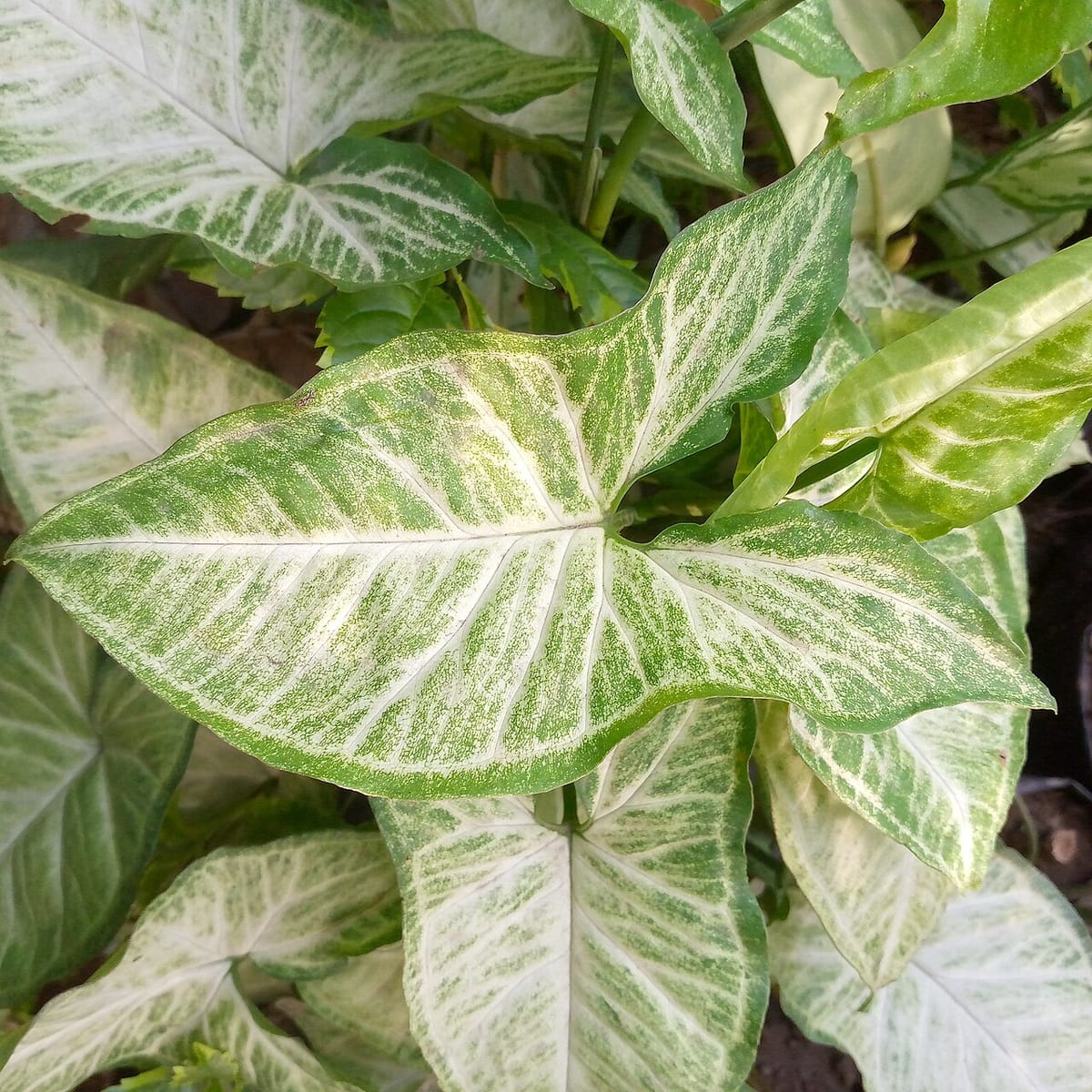
Ask a struggling plant owner about their watering and you’ll hear a schedule: “every Sunday,” “twice a week,” “whenever I remember, so… Tuesdays?” Ask them what’s wrong with the plant and it’s yellowing leaves, dropping leaves, mushy stems, fungus gnats — which is to say, nearly always, watering trouble. The schedule is the problem.
Here’s the reframe that fixes most houseplant care: plants don’t use water on a calendar. The same pothos drinks twice as fast in a bright July window as in a dim December corner; a plant in terracotta dries out days before its twin in glazed ceramic; a root-bound plant guzzles while an overpotted one sits in swamp for weeks. No fixed schedule can track all that. Your finger can. This guide replaces the calendar with a five-minute checking routine, then covers technique — because how you water matters nearly as much as when.
Why overwatering kills more plants than neglect
It seems backwards until you see the mechanism. Roots don’t just drink — they breathe, pulling oxygen from the air pockets between soil particles. Constantly wet soil fills those pockets, roots suffocate, and suffocating roots begin to rot. Rotten roots can’t move water, so the plant wilts and yellows — looking exactly like a thirsty plant — and the worried owner reaches for the watering can, completing the doom loop.
Underwatering, by contrast, is a slower and more honest failure: the plant wilts, tells you plainly, and (within reason) recovers gratefully when watered. Plants are built to survive dry spells; almost none are built for swamp. When you’re unsure whether to water, the odds overwhelmingly favor waiting.
Telling the two apart takes ten seconds, because the leaves lie but the soil doesn’t:
| Sign | Overwatered | Underwatered |
|---|---|---|
| Soil right now | Wet, heavy, maybe sour-smelling | Dry, light, pulling from pot walls |
| Leaves | Yellowing (often lower/older first), soft, dropping green | Crispy brown edges, dull, drooping |
| Wilt behavior | Wilted despite wet soil | Wilts dry, perks up within hours of watering |
| Extras | Fungus gnats, algae on soil, mushy stem base | Leaf curl, papery texture |
That left-hand column — wilting plus wet soil — is the emergency one. It means roots are already in trouble, and the fix is air, not water: slide the plant out, trim any brown mushy roots, repot into fresh barely-damp mix, and go easy for weeks. (Our snake plant guide walks that surgery step-by-step; it’s the same for most plants.)
The check-first system
Replace “watering day” with checking day — one or two five-minute rounds a week where every plant gets assessed and only the ones that need water get it.
The finger test (the workhorse): push a finger into the soil to the second knuckle — about two inches. For most leafy tropicals (pothos, philodendron, monstera, peace lily, dracaena), water when it’s dry at that depth. For succulents, cacti, and snake plants, wait until the pot is dry throughout. For the thirsty minority (ferns, calathea, that dramatic peace lily), water when the surface has just dried.
The weight test (the shortcut): lift the pot right after a thorough watering and remember that heft; lift it bone dry once and remember that too. From then on, a lift tells you where the plant sits between the two. With practice this beats every gadget — it reads the whole root ball, not one probe point.
The chopstick test (for deep pots): insert a wooden chopstick or skewer to the bottom, pull it out, and read it like a cake tester — clinging dark soil means moist; clean and dry means water.
That’s the entire system. Rules of thumb like “pothos roughly weekly in summer” exist and are fine as checking reminders — but the check always gets the final vote, because your home’s light, heat, and pots are not the internet’s.
What changes how fast a plant drinks
Knowing these lets you predict which plants on the shelf will be thirsty before you touch them:
- Light is the throttle. Photosynthesis spends water; a plant in a bright window may drink three times faster than the same plant across the room. This is why the low-light crowd is so easy to overwater — dim corner means slow metabolism means weeks between drinks.
- Season is the calendar’s one real role. Short winter days and cool rooms drop most plants into low gear: expect to water half as often or less from November to February, and re-expect it every year, because winter overwatering is the classic houseplant killer.
- Pot material: terracotta breathes and dries days faster than plastic or glazed ceramic. Neither is wrong; they’re different clocks.
- Pot size vs. plant size: a small plant in a big pot sits in more wet soil than its roots can drink — the overpotted plant is chronically soggy through no fault of the schedule. (It’s why repotting jumps only one size up.) Root-bound plants have the opposite clock: all roots, no reservoir, drying in days.
- Soil mix: chunky, airy mixes (aroid and succulent blends) dry fast and forgive generosity; dense peat mixes hold water long and punish it.
- Heat, drafts, and dry air from vents and radiators accelerate everything nearby.
How to water when it’s time (technique in four rules)
- Water thoroughly, until it runs from the drainage holes. The goal is the entire root ball wetted, plus a flush that carries accumulated fertilizer salts out the bottom. The little daily splash is the worst of both worlds — top inch swampy, root zone dry, salts building.
- Then stop until the next check says go. Deep-then-dry is the cycle nearly every houseplant evolved for.
- Empty the saucer after ten minutes. A pot standing in its own runoff is bottom-up overwatering. (Decorative pots without holes are outerwear — keep the plant in a draining nursery pot inside, and lift it out to water.)
- Room-temperature water, applied to the soil, not over the foliage. Cold water shocks tropical roots and spots some leaves; wet crowns invite rot on violets, succulents, and snake plants.
Bottom watering — pot set in an inch or two of water for 15–30 minutes — is a worthy alternate technique: complete, gentle, foliage-dry. Use it routinely for fuzzy-leaved plants, and as the rescue method whenever soil has gone fully hydrophobic (the telltale: water racing down the pot-wall gap and out the holes in seconds while the root ball stays dust-dry). Alternate bottom watering with occasional top-flushes so salts still get rinsed through.
Alt: Houseplants bottom watering in a sink with shallow water
Caption: Bottom watering: the whole root ball drinks, the leaves stay dry, and hydrophobic soil has no escape.
The special cases worth memorizing
- Succulents, cacti, snake plants, ZZ plants: the drench-then-drought lifestyle — water thoroughly, then nothing until the pot is completely dry, which in winter can mean five or six weeks. They die of Tuesdays, not thirst.
- Ferns, calathea, and other moisture-lovers: consistently lightly moist (never soggy) — check twice weekly, and consider their browning tips a commentary on dry air and tap-water minerals as much as watering.
- Orchids (moth orchids in bark): roughly weekly, by drenching the bark in the sink and draining fully; silvery roots mean thirsty, green means fine. No ice cubes — cold and stingy is not a watering method, whatever the grocery-store tag says.
- Fungus gnats as a diagnostic: those tiny flies breeding in the top inch of soil are a symptom — that layer is staying wet too long. Letting the surface dry between waterings (plus sticky traps while the population crashes) usually ends them without a single product.
The habit, condensed
Once or twice a week, walk your plants with your finger and your coffee (the outdoor version of this walk runs the same way). Check each pot — finger, weight, or chopstick. Water the ones that are ready, thoroughly, and empty the saucers. Skip the rest without guilt. Halve everything in winter.
That’s the entire discipline. It takes five minutes, costs nothing, and replaces the anxious question “when did I last water?” with the only question the plant ever cared about: “what does the soil say right now?” The plants — current and future — will register the difference within a month, and so will you.
Frequently asked questions
Is there a watering schedule that works for all houseplants?
No — and that's the core insight. Water use depends on light, temperature, pot size and material, soil mix, season, and the plant itself, all of which vary between homes and across the year. What works instead is a checking schedule: assess the soil once or twice a week with a finger or by pot weight, and water only the plants that need it.
Should I water houseplants with ice cubes?
Skip it. The viral ice-cube method delivers too little water too slowly, concentrated in one spot, and chills the roots of what are mostly tropical plants. Proper watering means room-temperature water applied until it drains from the bottom — the ice cube is a marketing gimmick that survives because orchids are hard to kill slowly.
What is bottom watering and when should I use it?
Setting the pot in a few inches of water for 15–30 minutes so the soil drinks upward through the drainage holes. It wets the root ball completely, keeps foliage dry (good for fuzzy-leaved plants like African violets), and helps rewet peat mixes that have gone hydrophobic. It's slower than top watering; alternate with occasional top-flushes so mineral salts get rinsed out.
Why does water run straight through my pot without soaking in?
The soil has dried so completely it's become water-repellent and shrunk from the pot walls, so water races down the gap and out the holes — the plant gets almost nothing. Fix it by bottom watering for 30 minutes, or watering a little, waiting ten minutes, then watering again slowly until the root ball actually rehydrates.
Do moisture meters work?
The inexpensive probe meters are rough guides at best — readings vary with soil type and salt content, and they fail unpredictably. They're handy for deep pots your finger can't plumb, but a finger, a wooden chopstick (insert, withdraw, read like a cake tester), or lifting the pot to judge weight are more reliable and free.
Should I water on a schedule in winter?
Keep the checking schedule, drop the watering frequency. Short days and cooler rooms slash most houseplants' water use — many need half or a third of their summer watering, and succulents may go a month or more. Winter overwatering is the number-one houseplant killer; the finger test is never more valuable than in January.
Does tap water harm houseplants?
For most plants, no. A few — calathea, spider plant, dracaena, some palms — are sensitive to the fluoride and chlorine in some municipal water and show it as brown leaf tips. If that's your pattern, fill the can and let it sit overnight (chlorine dissipates; fluoride doesn't) or use filtered or rain water for the sensitive few. Softened water is the one to avoid: its sodium accumulates in soil.