Summer Garden Care: Getting Your Plants Through Heat Waves and Drought
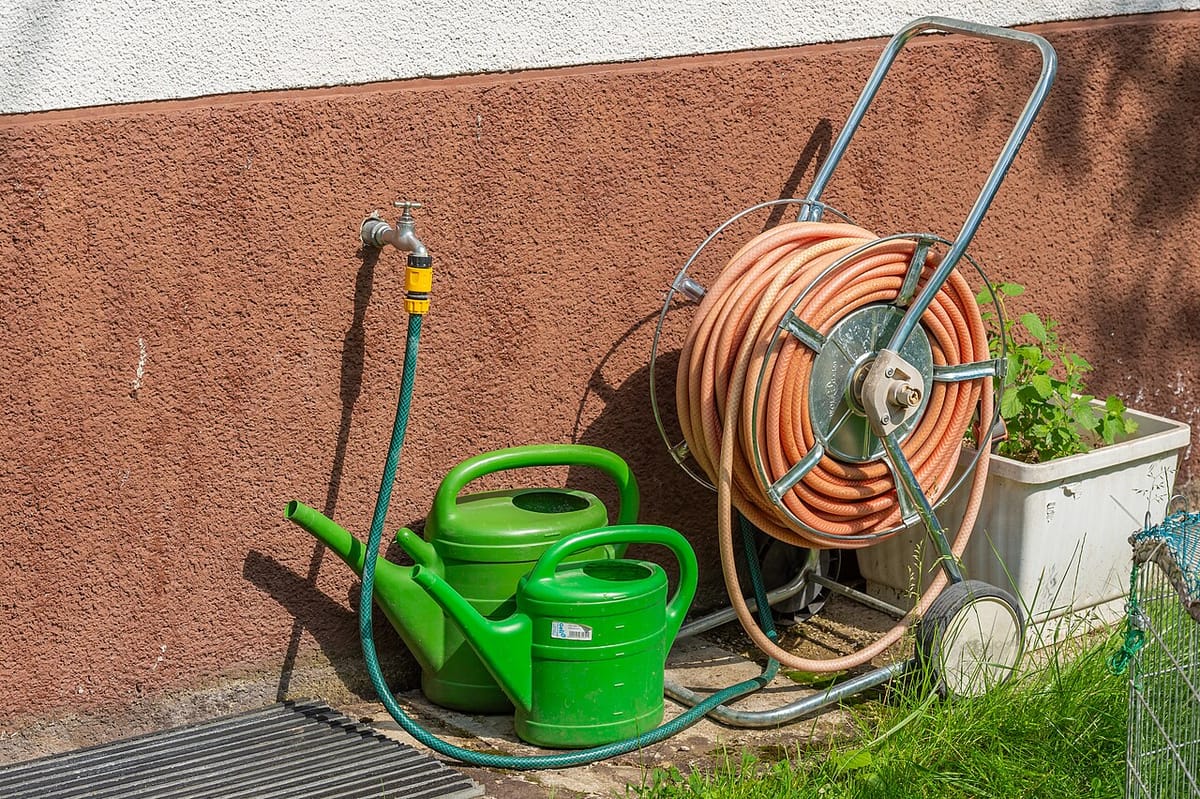
Spring gardening is promises; summer gardening is logistics. By July the beds are planted, the plans are made, and the season’s question changes from what shall we grow? to how do I keep all of this alive through the next heat advisory? It’s the stretch where gardens are won — the tending season, when water management, a little strategic shade, and a steady harvest rhythm decide whether August looks abundant or apocalyptic.
The good news: summer care is a short list done consistently, not a long list done heroically. Most of it compounds — every deep watering trains deeper roots, every mulched bed needs less of everything afterward. Here’s the whole program: the watering system, the heat-wave playbook, the harvest rhythm that keeps plants producing, and the things you should deliberately not do until fall.
Water like a strategist, not a firefighter
Summer watering has one governing principle: deep and infrequent beats shallow and often. An established bed wants roughly an inch to an inch and a half per week — delivered in one or two thorough soakings that push moisture eight-plus inches down, where roots then follow. The daily light sprinkle does the opposite: it wets the top two inches, roots crowd into that zone, and the first missed day or brutal afternoon finds the entire root system in the oven layer of the soil.
The mechanics that make it work:
- Morning is the hour. Before 9 a.m., water lands with minimal evaporation, plants stock up ahead of peak heat, and wet foliage — inevitable somewhat — dries fast. Evening watering leaves leaves wet through the night, which is a standing invitation to the fungal diseases of late summer.
- Water soil, not leaves. A watering wand at the base, a soaker hose, or drip line beats every sprinkler for efficiency and disease prevention. If you do only one upgrade this summer, snake a soaker hose through the beds under the mulch and attach a cheap timer.
- Verify before you water. The finger test survives every season: two inches down, moist means skip. Overwatering in summer is rarer than in spring but real — especially in clay soil and in that one bed the downspout feeds.
- Containers run on a different clock. Pots in July sun can need water daily, thirsty ones (tomatoes) sometimes twice. Check them each morning; the container guide covers the full pot-survival toolkit, including saucer-and-grouping tricks.
And the force multiplier for all of it: mulch. If any bed is still bare in summer, two to three inches of straw or shredded leaves cuts its water loss dramatically, keeps soil cool enough for roots to work, and blocks the weeds that would otherwise drink whatever you pour. Everything about summer is easier over mulch — our complete mulching guide covers which material to use where, and homemade compost spread an inch deep counts too.
The heat-wave playbook
Ordinary summer is handled by the routine above. Then comes the forecast with three digits in it. When extreme heat is inbound:
The day before:
- Deep-water everything, beds and pots, in the morning. Hydrated plants enter the furnace with full reserves.
- Rig temporary shade for the vulnerable: lettuce and greens (which bolt at the first excuse), seedlings, new transplants, and peppers and tomatoes carrying exposed fruit (sunscald turns fruit shoulders white and leathery). A 30–50% shade cloth over hoops is the proper tool; an old bedsheet on stakes is the honorable improvisation. Keep air moving underneath — shade, not a tent.
- Move what moves. Containers migrate to afternoon shade, grouped, off hot pavement (a pot on 140°F concrete is being cooked from below).
- Harvest everything close to ready. Fruit ripens absurdly fast in extreme heat, and anything overripe on the vine is pure loss.
During:
- Check containers twice daily; a wilted pot at noon gets water immediately, shade-cloth rules notwithstanding.
- Don’t panic at afternoon drooping in squash, cucumbers, and melons — big-leafed crops wilt as a posture, reducing sun exposure, even in moist soil. The verdict comes at dawn: recovered means it was coping; still limp means water now.
- Skip everything else. No fertilizing (stressed plants can’t use it, and salts concentrate dangerously in dry soil), no pruning (foliage is sunscreen for fruit and stems), no transplanting, no herbicides. Heat waves are for water and patience, exclusively.
After: deep-water again, then wait a week before judging damage. Crisped leaf edges and dropped blossoms look dire and mostly aren’t — scratch a suspect stem for green before declaring anything dead, and note what suffered most for next year’s siting decisions.
One expectation to calibrate: tomatoes and peppers pause fruit set above roughly 90°F — pollen fails, blossoms drop, and no product on any shelf changes that. The plants aren’t broken; they’re waiting, and so should you. The tomato guide covers the rest of that crop’s summer dramatics, cracked fruit and all.
Alt: Shade cloth suspended over lettuce bed protecting it from intense summer sun
Caption: Thirty percent less sun, several degrees cooler, weeks more salad.
Harvest rhythm: the counterintuitive engine of abundance
Here’s the summer fact beginners disbelieve until they see it: frequent picking increases production. An annual plant’s biological mission is finished seed; every mature fruit left hanging tells the plant its work is done, and it downshifts. Every picked pod, fruit, and bloom is a countermanding order.
The rhythm by crop:
- Every day or two: zucchini and summer squash (six-to-eight-inch fruit, before the hidden baseball bat develops), cucumbers, and beans — these three punish neglect fastest, converting from producers to retirees in one skipped week.
- A few times weekly: tomatoes (at first blush or full color — counter-ripening beats bird-feeding), peppers, eggplant.
- Continuously: cut-and-come-again greens, herbs — basil especially wants its weekly pinch — and every flower you’re growing for the vase; cutting is their deadheading.
The companion habit is the five-minute morning walk: coffee, garden, eyes open. Under leaves, at stem tips, along the mulch line. Summer’s pest and disease problems — hornworms, squash bugs, the first powdery mildew — are all trivially manageable in week one and hard in week four. The walk is how week one gets noticed, and it’s where the aphid-and-friends escalation ladder starts: observation first, gentlest fix second.
While you’re walking: pull the weeds you see (they’re competing for the exact water you just paid to apply), and pinch off any diseased leaves into a bucket — never the compost.
Midsummer’s quiet opportunities
Summer care isn’t purely defensive. Three moves in July and early August pay into fall:
- Succession-sow the fast crops. The bed where spring lettuce bolted is an opening: more bush beans (in by mid-July in most climates), cucumbers for fall pickles, and — as August arrives — the return of cool-season sowing: lettuce, spinach, radishes, kale for autumn harvest. A packet of seeds and yesterday’s empty row is a whole second season.
- Feed the marathon runners, lightly. Heavy producers — tomatoes, peppers, squash in their prime — appreciate a modest side-dressing or half-strength liquid feed every few weeks in normal heat (never during a wave). Watch the plants: lush and flowerless means stop.
- Take notes while it’s all visible. Which tomato variety shrugged off the heat wave, which corner wilts first, where the mildew started — August-you knows things February-you will pay to remember. Three lines a week in a phone note is a complete garden journal.
What NOT to do until fall
Restraint is a summer skill. Park these until temperatures break:
- Major pruning of shrubs and trees — it stimulates tender growth into the worst possible weather (and late-summer pruning cuts on some species stay open into winter).
- Planting perennials, shrubs, or trees — transplants can’t build roots in hot dry soil fast enough to supply their tops. Fall is their season; the pots can wait in shade.
- Starting a lawn. Cool-season grass seed sown in July mostly feeds birds. Lawn projects — seeding, overseeding, serious feeding — belong to early fall.
- Fighting the lawn’s summer dormancy. A browned-out cool-season lawn in August isn’t dead; it’s asleep, and it will wake in September rain. Watering it awake mid-drought is money spent against nature’s plan.
The season in one paragraph
Water deeply once or twice a week at dawn, and daily for pots. Keep every inch mulched. When heat waves come: pre-water, shade the tender, harvest hard, and change nothing else. Pick relentlessly — the plants read it as encouragement. Sow something new in every gap, walk the beds each morning, and write down what you notice. Do that from July through August, and September finds you with a garden that didn’t just survive the summer — it used it.
Frequently asked questions
Should I water my garden every day in summer?
For beds, no — deep watering once or twice a week grows deep roots that handle heat far better than a daily sprinkle, which keeps roots shallow and vulnerable. The exceptions are containers (often genuinely daily in high summer) and newly planted or sown areas. Always verify with a finger in the soil before watering.
Is it normal for plants to wilt in the afternoon heat?
Often, yes. Squash, cucumbers, and hydrangeas in particular droop dramatically on hot afternoons even in moist soil — it's a water-conservation posture, not an emergency. The test is morning: a plant still wilted at dawn is genuinely dry (or has root trouble) and needs attention; one that perked up overnight was just coping.
What is the best time of day to water in summer?
Early morning, ideally before 9 a.m. Roots stock up before peak heat, less water evaporates than at midday, and foliage that gets splashed dries quickly — unlike evening watering, which leaves leaves wet all night and invites fungal disease. If evening is your only option, water the soil only and keep leaves dry.
Does shade cloth really help a vegetable garden?
Meaningfully. A 30–50% shade cloth suspended over lettuce, greens, and even tomatoes and peppers during extreme heat lowers leaf and soil temperatures, reduces sunscald on fruit, and can keep cool-season crops harvestable weeks longer. Drape it over hoops or a frame with airflow underneath — never directly onto plants.
Why did my tomatoes and peppers stop setting fruit in July?
Heat sterility: above roughly 90°F days (and warm nights), tomato and pepper pollen fails and blossoms drop unfertilized. Nothing is wrong with the plant, and no spray fixes weather. Keep plants watered and healthy; fruit set resumes on its own when temperatures moderate.
Should I fertilize my garden during a heat wave?
No. Plants under heat stress largely shut down growth, and fertilizer — especially quick nitrogen — pushes tender growth the plant can't support while concentrating salts in already-dry soil, risking root burn. Wait for the wave to break, water deeply, then resume light feeding.
How do I keep my garden alive while I'm on vacation?
Deep-water everything and refresh mulch the day before leaving; group containers in shade near a water source. For a week or less, that plus a neighbor watering pots twice usually suffices. Longer, a battery timer on a soaker hose or drip line is cheap insurance. Harvest everything pickable before you go — plants left holding overripe fruit slow production.