Spring Garden Checklist: 15 Tasks in the Right Order
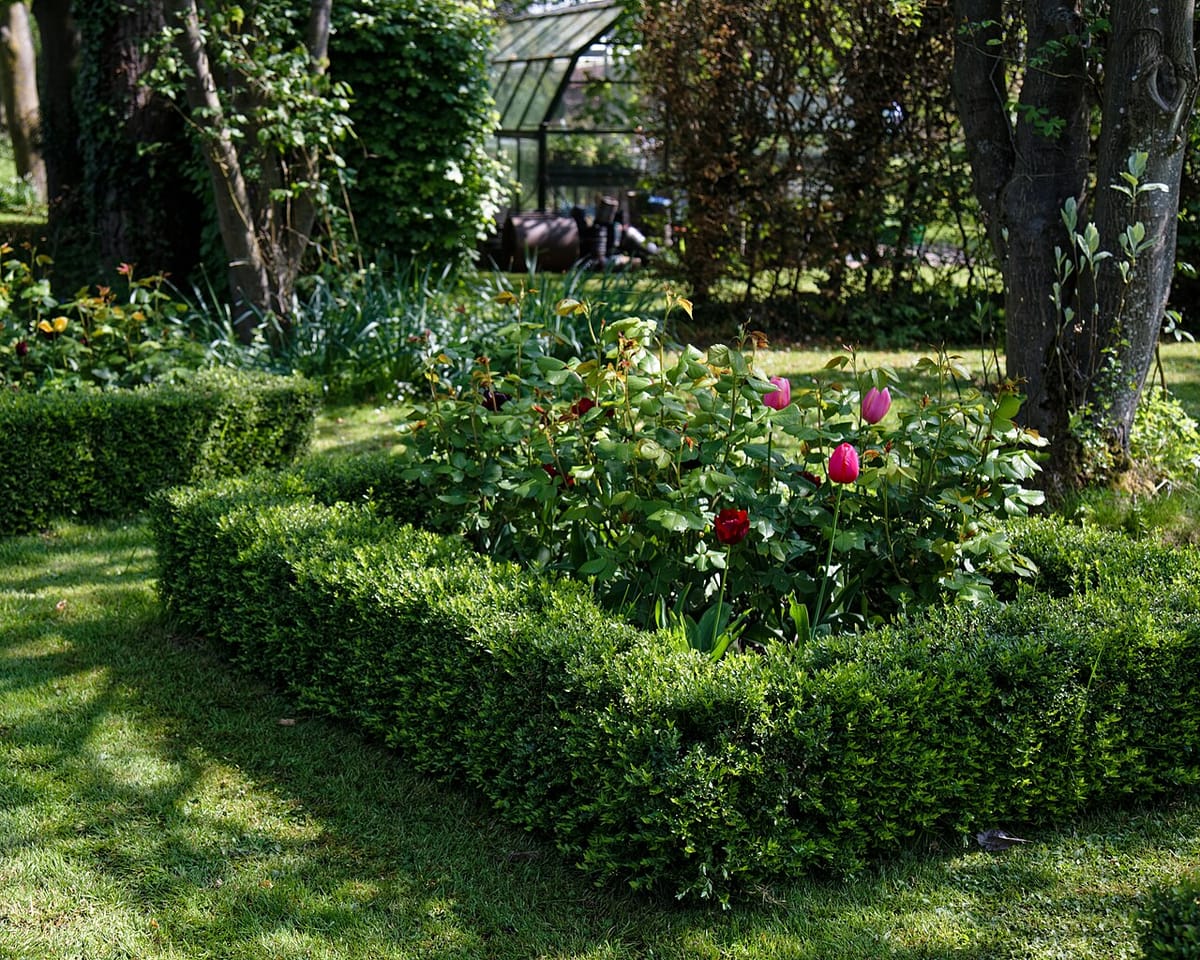
Spring doesn’t arrive; it staggers in. One week hands you sixty degrees and birdsong, the next takes it back with sleet, and somewhere in that whiplash every gardener faces the same twin dangers: doing too much too soon (working wet soil, evicting sleeping pollinators, planting basil into forty-degree nights) or scrolling seed catalogs until suddenly it’s June.
The cure for both is sequence. Spring tasks have a natural order — some keyed to soil conditions, some to your last frost date, some to what’s blooming — and doing them in order matters more than doing them fast. Here are fifteen tasks in the order they should happen, grouped into the three phases of spring, with the reasoning attached so you can adapt the timing to whatever your particular March is doing.
Everything below counts off one number: your average last frost date. Find it through your extension service (your hardiness zone is related but different — the zone predicts winter lows; the frost date sets the calendar). Write it on the fridge. Spring runs on it.
Phase one: late winter to six weeks before last frost
1. Plan on paper before you touch anything
One evening, three lists: what you’re growing, where each thing goes (rotate plant families — tomatoes and kin shouldn’t repeat last year’s bed), and what you need to buy or start. Ten minutes with last year’s notes — which varieties earned their keep, what got diseased where — beats an hour of April improvising. New to this? Our garden startup guide walks the planning stage in full.
2. Order seeds and start the slow ones indoors
Popular varieties sell out by March, so order early. Then work backward from your frost date for indoor starts: onions and leeks first (10–12 weeks before last frost), peppers (8–10), tomatoes (6–8), with the full crop-by-crop math in our seed-starting timing guide. Resist starting everything early — overgrown, root-bound seedlings transplant worse than young ones.
3. Clean, sharpen, and repair tools
Wire-brush the rust, sharpen pruners and spades (a sharp spade halves every job of the season), oil wooden handles, and service the mower before the shops’ spring queue forms. Do it on the first miserable sleet day; it’s the one spring task weather can’t veto.
4. Prune the dormant woody plants
Late winter, while structure is visible and plants sleep, is the moment for: fruit trees, roses (when forsythia blooms is the folk cue, and a decent one), summer-flowering shrubs (panicle and smooth hydrangeas, butterfly bush, rose of Sharon), and any dead, damaged, or crossing wood anywhere.
The critical exception: don’t touch spring bloomers — lilac, forsythia, weigela, azalea, big-leaf hydrangea. Their flower buds formed last summer and are on the branches now; prune today and you delete this spring’s show. Their window opens right after they finish flowering.
5. Start the compost engine
Turn the winter pile as soon as it thaws — it will be soggy and compressed — and mix in stockpiled browns. If you don’t compost yet, early spring is the perfect start: the season is about to produce raw material in bulk, and the setup takes an afternoon.
Phase two: the six weeks before last frost
6. Wait for the soil, then prep the beds
The gating test for everything in this phase: squeeze a handful of soil. If it smears into a slick ball, wait — working wet soil compacts it into clods that haunt the whole season. When it crumbles, go: pull the early weeds (they’re loose-rooted and easy now; every one skipped is fifty in June), spread an inch or two of compost, and loosen only where truly compacted. No wholesale tilling — it wrecks structure and wakes a bank of dormant weed seeds.
7. Go easy on the deep cleanup — on purpose
The hollow stems and leaf litter you left standing (rightly) last fall are still bedrooms: native bees, lacewings, ladybugs, and chrysalises overwinter there and emerge when days hold above roughly 50°F. Cut back last year’s perennial stems and clear beds gradually, starting where you’ll plant first — and pile cut stems loosely at the garden’s edge for a few weeks rather than shredding them immediately, so late sleepers check out on their own schedule. The exception that outranks the pollinators: anything that showed disease last year (blighted tomato stems, black-spotted rose leaves) gets removed completely and binned, never composted.
8. Sow the cool-season crops (this is the fun unlocked early)
Two to six weeks before last frost, direct-sow the crowd that prefers cold soil: peas first (as soon as ground can be worked), then radishes, lettuce, spinach, carrots, beets; onion sets and seed potatoes too. Hardy flowers — calendula, bachelor’s buttons, sweet alyssum — join them. March planting energy has a proper outlet; it just isn’t tomatoes.
9. Feed and edge the lawn lightly
Rake out winter debris once the grass is dry, overseed thin patches in cool-season lawn country, and recut bed edges — a crisp edge is one hour that makes the whole yard look tended for a month. Hold serious fertilizing until the lawn is actively growing.
10. Set up water before you need it
Reconnect hoses, test spigots and timers, lay soaker hoses or drip lines in beds before plants make it awkward, and clean the rain barrel. Discovering the cracked hose during May’s first dry week is the traditional method; this is the better one.
Alt: Soil squeeze test comparison showing wet soil that smears versus workable soil that crumbles
Caption: The whole of phase two waits on this test.
Phase three: last frost and the two weeks after
11. Harden off the indoor seedlings
Seven to ten days before transplanting, start walking seedlings outside: an hour of shade the first day, lengthening daily toward full sun, indoors (or covered) at night. Skipping this — moving windowsill plants straight to open weather — sunburns and windburns them in an afternoon. It’s the least skippable boring step in gardening.
12. Plant the warm-season headliners
One to two weeks after the frost date, once nights hold above 50°F and soil feels warm to your palm: tomatoes (deep, with their cages installed at planting), peppers, basil, and direct-sown beans, squash, cucumbers, zinnias, and sunflowers. Keep frost cloth within reach for two more weeks — the “average” in average last frost means the calendar loses one year in two.
13. Mulch everything, now that soil is warm
Two to three inches of straw, shredded leaves, or wood chips (paths and perennials) over every bare inch. Timing note: mulching too early insulates soil cold; the moment for this task is right after warm-season planting. It then pays all season in suppressed weeds and halved watering.
14. Stake and support before it’s needed
Cages on tomatoes, netting for peas already climbing, stakes beside anything tall-growing — installed while plants are small and roots undisturbable. Wrestling a grown plant into a cage in July is a punishment for skipping this line.
15. Start the walk-through habit
The garden is now running; your main job becomes noticing. Five minutes a day — coffee in hand is traditional — catches the aphid cluster at finger-squish size, the cutworm casualty while replanting is easy, the dry pot before it’s crisp. Every serious problem a garden develops was a small observation first. This habit is the whole difference between reacting and gardening.
The one-page version
| Timing | Tasks |
|---|---|
| Late winter | Plan · order seeds · start slow seeds indoors · sharpen tools · prune dormant wood (not spring bloomers) · wake the compost |
| Soil workable, pre-frost | Squeeze-test, then prep beds · gradual cleanup (bin diseased material) · sow peas, greens, roots · light lawn care · set up water |
| After last frost | Harden off seedlings · plant warm-season crops · mulch · install supports · begin daily walk-throughs |
Spring gardening is mostly the discipline of matching enthusiasm to sequence — the enthusiasm arrives in February, the tomatoes leave in May, and the gardeners who thrive are the ones who give March something legal to do. Peas, planning, and pruner-sharpening: that’s what March is for.
Frequently asked questions
When should I start spring garden cleanup?
When your soil has dried enough to crumble in your hand rather than smear, and daytime temperatures reliably reach the 50s°F — for many gardeners, a few weeks before last frost. Working soggy soil destroys its structure for the whole season, and cutting back too early evicts beneficial insects still overwintering in hollow stems and leaf litter.
What is a last frost date and where do I find mine?
It's the average date of the last spring freeze in your area — the anchor the whole spring calendar counts from. Your state's cooperative extension publishes local frost dates, and most seed-starting calculators use them. Remember it's an average: a 50/50 proposition, not a guarantee, so keep frost cloth handy for two weeks after.
Should I remove mulch from beds in spring?
Rake heavy winter mulch off perennial crowns gradually as growth appears, so shoots aren't smothered — but don't strip beds bare. Pull mulch back from areas you'll sow directly (bare soil warms faster), leave it elsewhere, and replenish it once soil has warmed in late spring.
What can I plant before the last frost?
Plenty: peas, lettuce, spinach, radishes, carrots, beets, onion sets, and potatoes all go in 2–6 weeks before last frost, along with hardy flowers like calendula and bachelor's buttons. These cool-season crops prefer the early start — the frost date only gates warm-season plants like tomatoes, beans, basil, and zinnias.
What should I prune in spring and what should I leave alone?
Prune now: roses, fruit trees (late winter/early spring, while dormant), summer-blooming shrubs like panicle hydrangeas and butterfly bush, and anything dead or storm-damaged. Leave alone: spring bloomers — lilacs, forsythia, azaleas, big-leaf hydrangeas — which already carry this year's flower buds; prune those within a few weeks after they finish blooming.
When is it safe to plant tomatoes outside?
One to two weeks after your last frost date, once nights reliably stay above 50°F and soil feels warm to the touch. Planting earlier gains nothing — cold soil stalls warm-season crops so thoroughly that later plantings routinely catch up and pass.
Is it bad to clean up leaves and dead stems too early?
It can be. Native bees, ladybugs, lacewings, and butterfly chrysalises overwinter in hollow stems and leaf litter, emerging when temperatures hold above roughly 50°F. Where you can, delay the deep cleanup until then, or stack cut stems loosely at the garden's edge for a few weeks so stragglers can emerge before everything is composted.