Slugs and Snails: Honest Control Methods That Actually Work
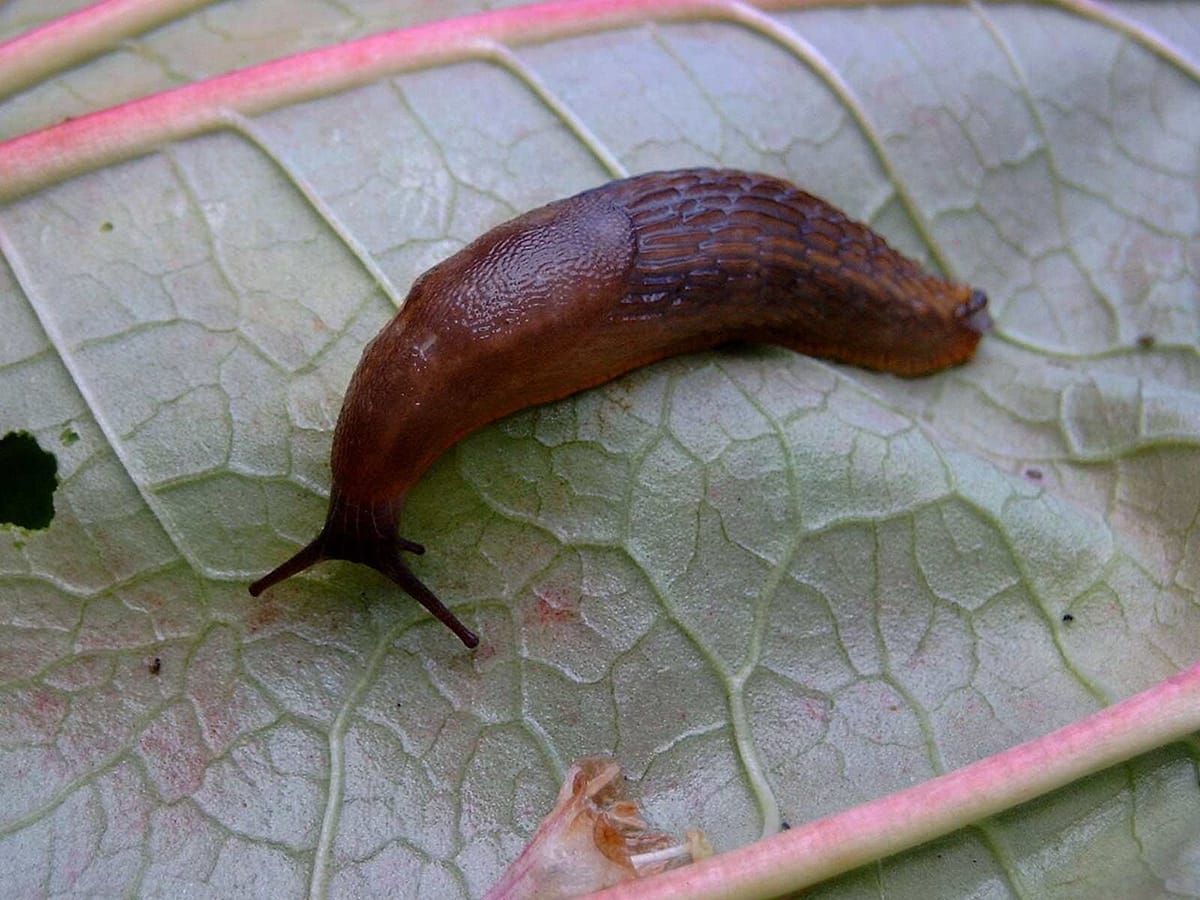
It’s always the best plants. The lettuce seedlings you nursed for six weeks, the first true leaves on the beans, the hosta that finally filled in — you go out with coffee one morning and find them shot full of ragged holes, edged in silver slime, as if the garden had been burgled by something both destructive and glittery. It had. Slugs (and their mobile-home cousins, snails) do more damage to home gardens than almost any insect, and they do it entirely between dusk and dawn, which is why so many gardeners spend years blaming the wrong suspects.
This guide is the honest version of slug control — honest because slug advice is uniquely full of folklore that fails in trials. We’ll convict the right pest, cover the methods with real evidence behind them, retire the myths politely, and — most usefully — change the conditions that made your garden a slug resort in the first place.
First, convict the right suspect
Slug damage has a signature worth learning, because caterpillars, beetles, and rabbits all get wrongly accused:
- Ragged, irregular holes with smooth-scraped edges — often between leaf veins, sometimes right through — concentrated on the tenderest tissue: seedlings, new growth, lettuce, hostas, low-hanging strawberries.
- Slime trails: dried silvery ribbons on leaves, mulch, pots, and paving. This is the fingerprint; no insect leaves it.
- Overnight timing. Fine at dusk, lacework at dawn.
- Seedlings gone entirely — a row of new beans reduced to stubs is classic slug work (cutworms cut stems at soil level instead; the stubs tell you which).
Confirmation costs one evening: go out two hours after dark with a flashlight — headlamps make it easier and neighbors more curious — and check the damaged plants. If slugs are your problem, they’ll be right there, commuting along their own slime highways. This nighttime census also tells you where they’re concentrated, which aims everything that follows.
The control program, in effectiveness order
1. Night patrols (crude, unbeaten)
Hand-collection sounds medieval and outperforms nearly everything else per minute spent. Two or three evenings in a row, flashlight and a jar of soapy water; drop in every slug you find. The first night’s haul will shock you; by the third it drops sharply — you’ve removed the local breeding population, not just individuals. Repeat a two-night patrol after every warm rain. Gardeners who do this in April and May, when slugs are small and plants are vulnerable, often need little else all season — early-season removal prevents the summer egg-laying that becomes the fall population.
Can’t face touching them? Scissors, chopsticks, or a gloved hand and a flick into the jar all work. (Salt works too but scorches soil and is a slow business for the slug; the soapy-water jar is quicker on both counts.)
2. Trap boards (the lazy patrol)
Slugs need daytime shelter — so issue it, on your terms. Lay a few boards, thick cardboard sheets, or upturned melon rinds along damaged beds in the evening. Every morning or two, flip them and scrape the sheltering slugs into the jar. It’s the night patrol at 8 a.m., with coffee. Grapefruit and orange halves work as combined shelter-and-bait.
3. Iron phosphate bait (the pellet worth using)
Where pressure stays high — wet climates, hosta gardens, that one doomed lettuce bed — iron phosphate pellets (Sluggo and similar brands) are the modern answer: slugs eat them, stop feeding, and die below ground; uneaten pellets break down into iron and phosphate, ordinary soil nutrients. They’re approved for organic production and, used as directed, safe around pets, birds, and ground beetles.
Scatter thinly (a pellet every couple of inches — piles attract dogs and waste bait) around vulnerable plants in evening before warm, damp nights; renew after heavy rain and every two weeks while damage continues.
The pellets to leave on the shelf: metaldehyde baits, the old blue pellets — hazardous to dogs and wildlife, banned in several countries, and outperformed by the safe option anyway.
4. Beer traps (fun, minor, real)
The famous saucer of beer does work: yeast draws slugs in from a couple of feet away, and they drown. The physics of “a couple of feet” is the catch — a garden needs several traps, sunk with rims an inch above soil (flush rims drown ground beetles, your allies), refreshed every day or two. Verdict: legitimate supporting tactic, excellent census tool, insufficient strategy. Cheap yeast-water works as well as beer, which spares the good bottles.
Alt: Trap board flipped to reveal sheltering slugs during morning garden slug control
Caption: Shelter offered, shelter inspected: the trap board turns hiding into harvesting.
Barriers: what holds and what’s folklore
Copper tape carries a real, measurable repellent effect — its reaction with slug mucus delivers something like a static shock. But it’s an engineering solution with engineering requirements: a continuous, clean band (2+ inches wide beats the skinny stuff) around a pot or raised-bed rim, with zero bridges — one trailing leaf, one mulch pile against the wood, and the barrier is a decoration. Best use: container plantings and seedling nurseries, checked weekly for bridges. Tarnished tape works less well; a rub with vinegar restores it.
Wool pellets (they swell into an irritating mat) show modest results and improve soil as they break down — a reasonable extra for prized pots.
The folklore shelf, tested and found wanting in controlled trials: crushed eggshells, coffee grounds, sharp sand, sawdust, pine needles. Slugs ride their own mucus across all of them, sometimes photogenically. Coffee grounds and eggshells still belong in your compost — just not on the payroll as security.
Diatomaceous earth occupies the middle: it works while bone-dry, quits when damp — and slug hour is the damp hour. Skip it for this job.
Change the habitat, change the population
Every method above removes slugs; none stops the garden from growing new ones. The durable fixes target what slugs need — moisture at night, shelter by day:
- Water in the morning, not the evening. An evening-watered garden is damp all night — peak slug conditions nightly. Morning watering (already the right call for disease prevention) leaves beds drying by dusk. This one scheduling change measurably cuts slug activity.
- Audit the daytime housing. Boards, stones, dense weed mats, debris piles, and overgrown edges within reach of beds are slug dormitories. Clear them near vulnerable plantings — or convert them into monitored trap boards (see above), which is the same real estate working for the other side.
- Mind the mulch depth near seedlings. Mulch’s benefits are real, but a thick, loose, damp layer tight against baby lettuce is slug habitat at the worst address. Keep mulch thinner and pulled back a few inches from seedlings until plants toughen; deep-mulch freely around established plants that slugs don’t favor.
- Recruit the predator workforce. Ground beetles are the great unsung slug-killers — they and their larvae hunt slugs and eggs all season. They want undisturbed corners: stone or plank paths, perennial edges, no broad-spectrum insecticides (the same truce that keeps your aphid control free). Birds, toads, garter snakes, and firefly larvae all bill zero. A shallow water dish and a rock pile is predator housing.
- Plant the menu strategically. Slugs mostly skip aromatic, fuzzy, and leathery plants — lavender, rosemary, sage, ferns, astilbe, hardy geraniums, alliums, ornamental grasses. Thick-leaved blue hostas shrug off what shreds thin gold ones. Ring the lettuce bed with onions and sage rather than marigolds (which slugs happily eat), and give the tenderest crops the raised beds — elevation plus a copper-taped rim is the most defensible ground in the garden.
A note on tolerance (and timing)
Mature plants outgrow slug damage constantly — a few holes in June chard is rent, not ruin. The stakes are concentrated in a few weeks and a few crops: seedlings and new transplants in spring, plus the lifetime favorites (lettuce, hostas, strawberries at fruit level). Guard those windows hard — patrols, thin mulch, iron phosphate at transplant time — and relax elsewhere. Slug control that tries to be everywhere all season exhausts the gardener and barely inconveniences the slugs, which lay eggs faster than perfectionism can keep up.
The compact program, then: confirm with one flashlight visit, knock the population down with three nights of patrol (or boards), hold the line at seedlings with iron phosphate and maybe copper, water in the mornings, evict the daytime housing, and let the ground beetles work. Do that in April and May, and by summer the slime trails will be a curiosity instead of a crime scene — and the hostas, for once, will be entirely whole.
Frequently asked questions
How do I know slugs are what's eating my plants?
Two clues together: irregular, ragged-edged holes (often starting between leaf veins, on the tenderest leaves and seedlings) and dried silvery slime trails on leaves, mulch, or paving nearby. Damage appears overnight. To confirm, go out two hours after dark with a flashlight — slugs work the night shift, and you'll catch them in the act.
Does beer really work for slug traps?
Yes, honestly — slugs are drawn to the yeast and drown in the trap — but with two caveats: each trap only pulls slugs from a few feet away, so you need several, refreshed every day or two and after rain; and traps alone rarely change the population enough to matter. Use them as a supporting player and a census tool, not the whole strategy.
Do crushed eggshells or copper tape stop slugs?
Eggshells, coffee grounds, and similar scratchy barriers perform poorly in actual trials — slugs glide over them on their mucus layer. Copper tape has a real repellent effect (it reacts with their slime) but only as a clean, continuous band on pots or raised bed rims, and a single leaf bridging it voids the whole barrier. Neither touches the slugs already inside.
Are slug pellets safe around pets and wildlife?
Depends entirely on the active ingredient. Iron phosphate pellets (Sluggo and similar) break down into soil nutrients and are the safe choice around pets, birds, and beneficial insects when used as directed. Old-style metaldehyde pellets are genuinely dangerous to dogs and wildlife — many regions have banned them, and there's no reason to use them anymore.
Why does my garden have so many slugs?
You're providing the three things they need: moisture, daytime shelter, and tender food. Evening watering, thick loose mulch against stems, boards and debris on the ground, dense groundcover, and untrimmed bed edges all create slug housing. Changing those conditions does more long-term than any amount of trapping.
Do slugs have natural predators I can encourage?
Many: ground beetles (the heavyweight champions — shelter them with stone paths and less soil disturbance), birds, toads and frogs, snakes, and firefly larvae. Ducks and chickens are famous slug patrol where keeping them is practical. A garden with a small pond, some rock piles, and no broad-spectrum insecticides recruits this workforce for free.
Which plants do slugs avoid?
They largely skip aromatic, fuzzy, or leathery foliage: lavender, rosemary, sage, ferns, hellebores, astilbe, hardy geraniums, ornamental grasses, and most alliums. In hosta country, thick blue-leaved varieties resist far better than thin gold ones. Ringing vulnerable beds with less-appealing plants quietly lowers the pressure.