Perennials That Bloom All Summer: 9 Long-Flowering Picks
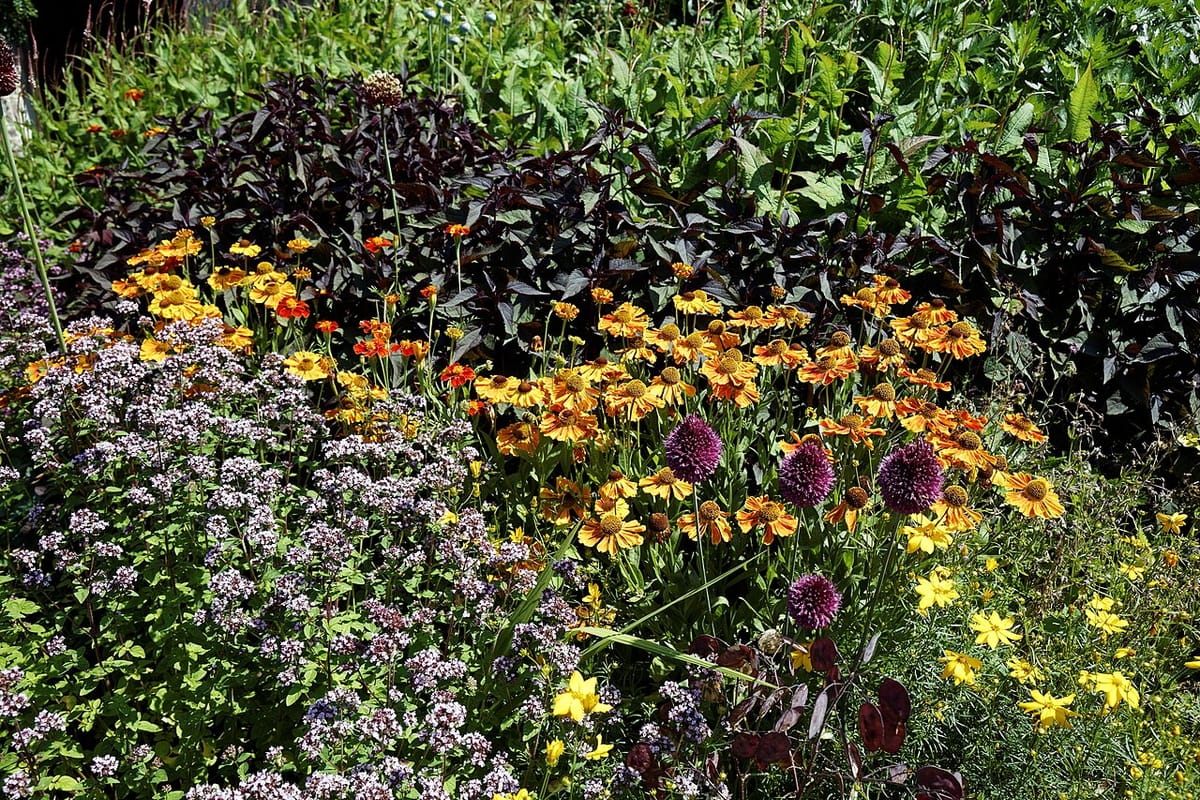
The uncomfortable truth about most perennials is that “perennial” describes how long the plant lives, not how long it blooms. Peonies deliver two spectacular weeks and then spend the other fifty as attractive foliage. Bearded iris does the same. It’s a fine trade for a border with several different perennials timed to overlap — but if you’re building a smaller planting, or you just want a few plants that carry a border from June through the first frost, most of the perennial aisle will disappoint you.
This list is the exception: nine perennials that either bloom continuously with minimal help or respond dramatically to one simple midsummer technique — shearing — that most gardeners have never tried. Master that one trick and this whole list becomes a nearly nonstop show.
The technique that makes this list possible: shearing
Most of these plants aren’t magically self-sustaining bloomers — they’re perennials that respond exceptionally well to being cut back hard right after their first flush of flowers fades, rather than deadheaded bloom by bloom (which our dedicated deadheading guide covers for plants with fewer, larger flowers). Shearing means taking hedge shears or a similar tool to the whole plant, or a large section of it, and cutting back by a third to half its height all at once, removing the spent flower spikes along with a good bit of foliage.
It looks aggressive, and for the first week or two afterward, the plant looks like nothing much happened for the better — then new growth flushes in, often thicker and more floriferous than the first round, typically within two to three weeks. This single technique, applied at the right moment, is the difference between a perennial that blooms for three weeks and quits, and the same plant blooming in two or three distinct waves across the whole season.
1. Catmint (Nepeta)
Blooms in a lavender-blue haze from late spring, and when the first flush fades — usually by early summer — a hard shear-back triggers a full rebloom within about two weeks, repeatable at least once more later in the season. Catmint is drought-tolerant, deer-resistant, and a genuine bee magnet throughout its multiple bloom cycles, covered in more depth in our easy perennials guide. Hardy roughly zones 3–8.
2. Coreopsis (tickseed)
One of the closest things to a true continuous bloomer on this list — bright yellow (or occasionally pink or bicolor) daisy-like flowers from early summer well into fall, especially with light regular deadheading, though it tolerates being left alone better than most. Thrives in poor, well-drained soil and full sun; overly rich soil produces more foliage and fewer flowers. Hardy roughly zones 4–9.
3. Salvia (perennial types, especially ‘May Night’ and ‘Caradonna’)
Vertical purple-blue flower spikes appear in late spring; shearing the spent spikes back hard prompts reliable reflowering, often twice more through summer. Salvia supplies vertical structure that pairs beautifully with the mounded habit of catmint and coreopsis in a mixed border. Hardy roughly zones 4–9.
4. Black-eyed Susan (Rudbeckia)
Golden daisy flowers from midsummer straight through to hard frost with minimal intervention — one of the most reliably long-blooming perennials available, and famously tough in heat, clay soil, and general neglect. ‘Goldsturm’ is the widely available standard. Leave the seed heads standing into winter for the goldfinches, per our fall cleanup guide. Hardy roughly zones 3–9.
5. Coneflower (Echinacea)
Purple-pink (and increasingly orange, white, and red in modern varieties) blooms from midsummer into fall, tolerating drought and poor soil with ease. Deadheading extends the bloom period further, though many gardeners deliberately let a late-season flush go to seed for the birds. A genuine pollinator magnet throughout its long season. Hardy roughly zones 3–9.
Alt: Gardener shearing back a catmint plant after its first bloom flush to encourage reblooming
Caption: The single cut that turns a three-week bloomer into a three-round one.
6. Gaillardia (blanket flower)
Fiery red-and-yellow daisy-like blooms from early summer to frost, exceptionally drought- and heat-tolerant, and a strong choice for hot, dry, sunny spots where many other perennials struggle to keep flowering through summer’s worst weeks. Deadheading extends bloom further, though it flowers respectably even left alone. Hardy roughly zones 3–9, and especially reliable in hotter climates.
7. Russian sage (Perovskia)
Technically a subshrub rather than a true herbaceous perennial, but grown and treated identically in most gardens — airy silver-gray foliage topped with lavender-blue flower spikes from midsummer into fall, thriving on the same lean, well-drained, hot-and-dry conditions as Mediterranean herbs like rosemary. Extremely low-maintenance and rarely needs deadheading to keep performing. Hardy roughly zones 4–9.
8. Daylily, reblooming types (especially ‘Stella d’Oro’)
While most daylilies deliver a few spectacular weeks, reblooming varieties — ‘Stella d’Oro’ being the most widely available — flower in repeated flushes from late spring through fall, each individual bloom lasting just a day but with enough buds in the pipeline to keep the display going for months. Removing spent flower stalks (not deadheading individual blooms, which fade and drop on their own) tidies the plant and may encourage a bit more rebloom. Hardy roughly zones 3–9.
9. Yarrow (Achillea)
Flat-topped clusters of tiny flowers, commonly yellow but available in pink, red, and white, blooming from early summer into fall with light deadheading. Extremely drought-tolerant once established and thrives in poor soil where richer conditions would otherwise be needed — a plant that performs better with some neglect. Hardy roughly zones 3–9.
Building a border with continuous bloom
The real payoff of this list comes from layering several of these together with slightly offset peak times, rather than relying on any single plant to carry a whole season alone:
- Early summer starters: catmint and salvia lead the show, both benefiting from an early shear-back that sets up their next flush right as things are getting going.
- High-summer workhorses: coreopsis, black-eyed Susan, coneflower, and gaillardia carry the peak season, several of them needing almost no intervention to keep flowering through the hottest weeks.
- Late-season anchors: Russian sage and reblooming daylilies extend interest into early fall, right as some of the earlier bloomers begin winding down.
Planted together in repeated drifts rather than single specimens, this combination produces a border where something is always in full flower from late spring through the first hard frost — delivering on the promise that most single perennials, bought individually without this kind of planning, simply can’t keep on their own.
Reading the difference between a pause and a plant that’s done
One frustration with long-blooming perennials is telling a normal midsummer lull apart from a plant that’s finished for the year. A few tells help sort this out:
Heat-stress pause versus finished blooming. During the hottest stretch of summer, several plants on this list — coreopsis and gaillardia especially — can slow flower production noticeably without anything being wrong; consistent watering through the worst heat usually brings flowering back within a couple of weeks once temperatures moderate. A plant that’s finished its bloom cycle, by contrast, typically shows visible seed heads forming and foliage beginning to look tired rather than simply flowerless.
Whether shearing is still worth doing late in the season. A shear-back performed too close to first frost may not leave enough growing season for a meaningful rebloom to develop before cold weather ends things anyway. As a rough guide, stop shearing for rebloom about six to eight weeks before your average first frost date — after that point, let the plant finish its current cycle naturally rather than pushing for another flush that won’t have time to fully develop.
First-year expectations. Newly planted perennials, per the sleep-creep-leap pattern covered in our easy perennials guide, often bloom less in their first season regardless of how well shearing technique is applied — the plant is still establishing its root system rather than investing heavily in flower production. Judge a new planting’s true long-bloom potential in its second or third year, not its first.
The maintenance reality
None of this requires much beyond the seasonal shear-back and occasional deadheading described above — every plant on this list is drought-tolerant once established, tolerates average-to-poor soil (several actively prefer it to rich, heavily amended beds), and needs minimal feeding. The entire “trick” behind a summer-long blooming border isn’t secret plant knowledge; it’s choosing long-flowering species in the first place, then applying one well-timed cut per plant to keep the display running instead of letting each one complete its bloom cycle and quietly go dormant for the rest of the season.
Frequently asked questions
Do any perennials actually bloom the entire summer without help?
A genuine handful come close on their own — coreopsis and black-eyed Susan are the closest to truly self-sustaining long bloomers — but most of the plants on this list bloom their longest with a bit of help: deadheading or a mid-season shearing that prompts a second or third flush rather than one continuous, unbroken bloom.
What is shearing, and how is it different from deadheading?
Deadheading removes individual spent flowers one at a time as they fade. Shearing cuts back a whole plant or a large section of it — often by a third to half its height — all at once, typically right after the first big flush of bloom ends. Shearing is faster for plants with many small flowers (catmint, coreopsis) where deadheading bloom-by-bloom would take forever.
Why did my long-blooming perennial stop flowering by midsummer?
The most common cause is skipping the shear-back after the first flush — many of these plants are genetically capable of blooming again, but need the spent flower stems removed to trigger it. Heat stress and inconsistent watering during summer's hottest weeks can also cause a temporary pause that resolves once conditions moderate.
Do long-blooming perennials need more water or fertilizer than other perennials?
Not dramatically more — most on this list are genuinely low-maintenance and drought-tolerant once established. The main extra input, if any, is the shearing/deadheading labor itself rather than water or feeding; overfeeding, in fact, tends to push soft leafy growth at the expense of flowers on several of these species.
Can I combine several of these perennials in one border for continuous bloom?
Yes, and that's the most effective strategy — layering several long-bloomers with slightly offset peak times (an early-summer starter, a couple of high-summer workhorses, a late-summer finisher) creates a border that always has something in full flower, rather than relying on any single plant to cover the whole season alone.
Are these perennials hardy across most of the US?
Most are hardy across a wide range — roughly USDA zones 4 through 9 for the majority on this list — making them reliable choices for most of the continental US. A few (like gaillardia and Russian sage) skew slightly more drought- and heat-tolerant, doing especially well in hotter, drier regions.
Should I cut these perennials back in fall or leave them standing?
Many gardeners now leave stems and seed heads standing through fall and winter, particularly on coneflower and black-eyed Susan, since both feed birds and shelter overwintering beneficial insects. Save the full cutback for early spring instead, a practice covered in more detail in our fall cleanup guide.