Fall Garden Cleanup: What to Do, What to Leave, and Why
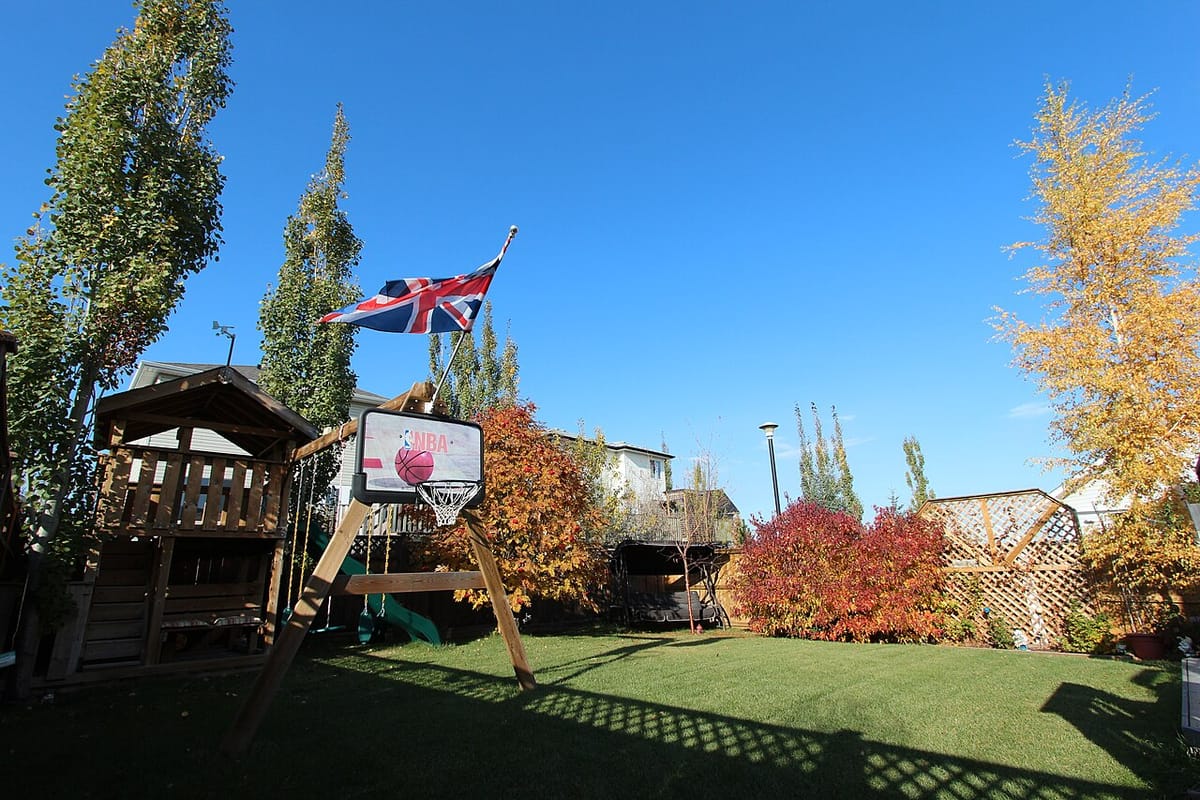
Fall garden cleanup has quietly split into two competing philosophies over the last decade, and most gardeners are only aware of the older one: cut everything back, rake every leaf, bag it all up, and leave beds bare and tidy for winter. The newer thinking, backed by a growing body of research on overwintering pollinators and beneficial insects, argues for the opposite in many cases — leaving stems standing, letting leaves lie in beds, and saving the cutback for spring.
The honest answer sits between these extremes, and it depends on what you’re looking at, not a blanket rule in either direction. This guide sorts fall cleanup into what needs removing (mostly disease-related), what’s worth deliberately leaving (mostly ecological), and how your USDA hardiness zone shifts the timing of both.
The organizing principle: disease risk versus ecological benefit
Before deciding what to cut and what to leave, it helps to know which side of the ledger each type of garden debris falls on:
Remove it — disease and pest risk outweighs any benefit: Plant material that showed active disease or pest infestation during the growing season. Most fungal pathogens (the early blight, septoria, and powdery mildew covered in our tomato disease guide and powdery mildew guide) overwinter in fallen leaves and dead stems, waiting to reinfect the same bed the following spring. Leaving this material in place essentially preserves the pathogen population intact through the winter, undoing much of a season’s disease management effort for the cost of one afternoon’s cleanup.
Consider leaving it — ecological benefit outweighs modest disease risk: Healthy perennial stems, ornamental grasses, and seed heads that showed no disease problems. Many native bee species and beneficial insects — the same ladybugs, lacewings, and parasitic wasps covered in our pest identification guide — overwinter as eggs, larvae, or adults inside hollow plant stems and leaf litter, emerging the following spring when temperatures warm. Seed heads on coneflowers, black-eyed Susans, and similar perennials feed goldfinches and other birds through the leanest months of winter, when natural food is scarce.
The practical rule that resolves most individual decisions: if it was healthy, lean toward leaving it (or waiting until early spring to cut it back); if it showed any disease or pest problem, remove and dispose of it now.
What to remove this fall
Diseased vegetable garden debris. Tomato, squash, and other vegetable plants that showed blight, mildew, or other fungal disease should be pulled and disposed of — bagged for trash or hot municipal composting, not your home compost pile, since most backyard piles don’t reliably reach the sustained temperatures needed to kill plant pathogens. Healthy vegetable debris, by contrast, is excellent compost material and can go straight into the pile.
Fallen fruit and vegetables left on the ground. Rotting fruit under trees and any vegetables left to decay in the bed can harbor pests and disease over winter and are worth collecting and either composting (if disease-free) or disposing of.
Weeds, especially any that have gone to seed. Every weed left standing through fall is a head start on next spring’s weeding — pull them now, before seed heads mature and scatter, ideally before the ground freezes and makes pulling difficult.
Spent annuals. Since annual flowers and vegetables complete their life cycle in one season regardless of cleanup, pulling them once they’re finished (rather than leaving collapsed, unattractive plant material in the bed) is mostly aesthetic, though it does reduce overwintering habitat for pests specific to that crop.
A thick, unbroken mat of fallen leaves on the lawn. While leaves scattered in garden beds are often beneficial (see below), a heavy, matted layer left whole on lawn grass through winter can smother and damage it. Mow over fallen leaves a few times to shred them into smaller pieces — shredded leaves filter down between grass blades and decompose, feeding the lawn rather than smothering it, resolving the concern without requiring full removal.
Alt: Wheelbarrow of diseased tomato plant debris being removed from a vegetable garden in fall
Caption: This load goes to the trash, not the compost — diseased material gets special handling.
What to leave standing (and why it’s not laziness)
Ornamental grasses. Left standing, they catch frost and snow beautifully, providing genuine winter garden interest that a bare, cut-back bed can’t offer, while also giving small birds shelter from winter wind. Cut back in early spring instead, before new growth emerges.
Perennial seed heads — coneflower, black-eyed Susan, and similar. These feed goldfinches and other seed-eating birds through winter, when natural food sources are otherwise scarce, and the dried seed heads themselves add structure and visual interest to an otherwise dormant winter garden.
Hollow-stemmed perennials. Plants with pithy or hollow stems — many native perennials and some ornamental grasses — provide nesting and overwintering habitat for a range of native bee species and other beneficial insects, several of which spend the entire winter as eggs or larvae inside these stems, emerging only once temperatures reliably warm the following spring. Cutting these back in fall and disposing of the stems removes that habitat along with the plant material.
A reasonable scattering of leaf litter in garden beds. Beyond serving as free mulch that suppresses weeds and feeds soil as it breaks down (the same benefits covered in our mulching guide), leaf litter shelters overwintering butterfly and moth caterpillars, various beneficial insects, and even some amphibians. A bed cleared to bare soil offers none of this.
The pattern across all of these: the aesthetic case for a fully bare, tidy fall garden is real but modest, while the ecological cost of achieving that tidiness — removing overwintering habitat wholesale — is larger than most gardeners realize. A middle path many gardeners now favor is doing the true cutback in early spring instead of fall, getting the tidiness eventually while extending shelter through the full winter when it’s needed most.
Timing cleanup to your USDA hardiness zone
Fall cleanup isn’t a single calendar date — it follows your first frost, which varies substantially by USDA hardiness zone and region:
- Colder zones (3–5, much of the northern tier and mountain West): first frost often arrives by mid-to-late September, and the bulk of cleanup — removing diseased material, a final leaf mulch pass, protective mulching of perennials — generally wraps up by late October or early November, before the ground becomes difficult to work.
- Middle zones (6–7, much of the mid-Atlantic, Midwest, and parts of the West): first frost typically lands in mid-to-late October, pushing the cleanup window into November.
- Warmer zones (8–10, the Deep South, coastal California, and similar): frost may not arrive until December or, in the mildest areas, not meaningfully at all, meaning cleanup can extend much later in the year, or in truly frost-free areas, some “fall cleanup” tasks blend into an ongoing, mild-winter maintenance routine rather than a single seasonal push.
Rather than working from a fixed date, let your own garden’s actual frost timing and each plant’s natural die-back guide the schedule — cleanup that happens too early, while plants are still green and functioning, sacrifices a working plant’s remaining productive weeks for no real benefit.
Protecting perennials heading into winter
Once the ground has started to cool but before hard freezes set in, a fresh layer of mulch (two to three inches, applied per the guidance in our mulching guide) around perennial crowns helps moderate the freeze-thaw cycles that can otherwise heave shallow-rooted plants partially out of the ground over winter — a particular risk in colder zones with fluctuating winter temperatures rather than one long, steady freeze. This is distinct from mulching too early in fall, which can trap warmth and delay the dormancy signal plants need; wait until at least a light frost or two before applying this protective layer.
Marginally hardy plants — anything near the cold edge of what your zone can support — benefit from extra protection in a harsh-winter year: a thicker mulch layer, burlap wrapping for exposed shrubs, or moving potted marginal plants to a sheltered spot, all covered in more detail in our winter preparation guide.
Put the fall leaf harvest to work
Whatever leaves you do rake up — beyond what’s left as bed mulch — are valuable carbon-rich material for composting, arriving at exactly the moment most home compost piles need it most. A pile that’s run all summer on nitrogen-heavy kitchen scraps and fresh green garden waste benefits enormously from a big fall infusion of dry leaves, which balance the pile’s carbon-to-nitrogen ratio and prevent the slimy, smelly conditions an all-green pile tends toward. Our composting guide covers the balance in more detail — many experienced composters bag extra fall leaves specifically to have carbon material on hand through the following spring and summer, when kitchen scraps otherwise outpace available browns.
The condensed version
Pull and properly dispose of anything diseased, clear spent annuals and fallen fruit, and shred (rather than fully remove) leaves matting the lawn. Beyond that, resist the urge toward total bare-earth tidiness — leave healthy perennial stems, seed heads, and a reasonable scattering of leaf litter standing through winter, save the full cutback for early spring, and apply protective mulch to perennial crowns once the ground has begun to cool. Fall cleanup done this way takes less total effort than the old cut-everything-back approach, looks nearly as tidy from the sidewalk, and sends considerably more of the garden’s beneficial wildlife into spring intact.
Frequently asked questions
When should I start fall garden cleanup?
Timing depends more on your first frost date than the calendar — most cleanup happens as plants naturally die back after frost, typically from mid-fall through early winter depending on your USDA zone. Warmer zones (8 and up) can wait later into the season; colder zones (5 and below) often want cleanup wrapped up before hard freezes make the ground difficult to work.
Should I remove all dead plant material from the garden in fall?
No — remove anything that showed disease or pest problems during the growing season, since it can harbor pathogens or eggs over winter, but deliberately leave healthy perennial stems, seed heads, and leaf litter in ornamental beds. Many beneficial insects and native bees overwinter in hollow stems and leaf litter, and several seed heads feed birds through the coldest months.
Is it bad to leave fallen leaves on the lawn over winter?
A thick, matted layer of whole leaves can smother and damage lawn grass if left all winter, so mow over them a few times to shred them into smaller pieces that filter down and decompose (feeding the lawn as they break down), or rake the excess into garden beds as mulch. A light scattering of shredded leaves is generally fine to leave; a thick, unbroken mat is not.
What vegetable garden debris should definitely be removed in fall?
Anything that showed disease during the season — blighted tomato vines, powdery-mildewed squash leaves, anything with visible fungal spots — since most of these pathogens overwinter in plant debris and reinfect next year's planting if left in the bed. Healthy vegetable plant debris can go in the compost pile; diseased material should be bagged for trash or municipal disposal instead.
Should I cut back ornamental grasses and perennial flowers in fall?
Many gardeners now leave them standing through winter rather than cutting back in fall — the dried stems and seed heads provide winter interest, shelter overwintering insects, and feed birds, and cutting back in early spring instead achieves the same tidying with added ecological benefit. Exceptions are perennials that showed disease, which should be cut back and removed in fall regardless.
Do I need to protect perennials before winter in cold climates?
A layer of mulch applied after the ground has started to cool (not before) helps insulate roots and moderate the freeze-thaw cycles that can heave shallow-rooted perennials out of the ground, particularly valuable in colder USDA zones. Wrapping or covering more tender perennials and shrubs near the edge of their hardiness zone is worthwhile in regions prone to unusually harsh winters.
What should I do with my compost pile going into fall?
Fall is an excellent time to add a large volume of carbon-rich material — fallen leaves especially — to balance a compost pile that's been running nitrogen-heavy all summer from kitchen scraps and green garden waste. Turn the pile to mix in the new leaves, and consider stockpiling extra bagged leaves specifically to have carbon material on hand through the following spring and summer.