Essential Gardening Tools for Beginners (and What to Skip)
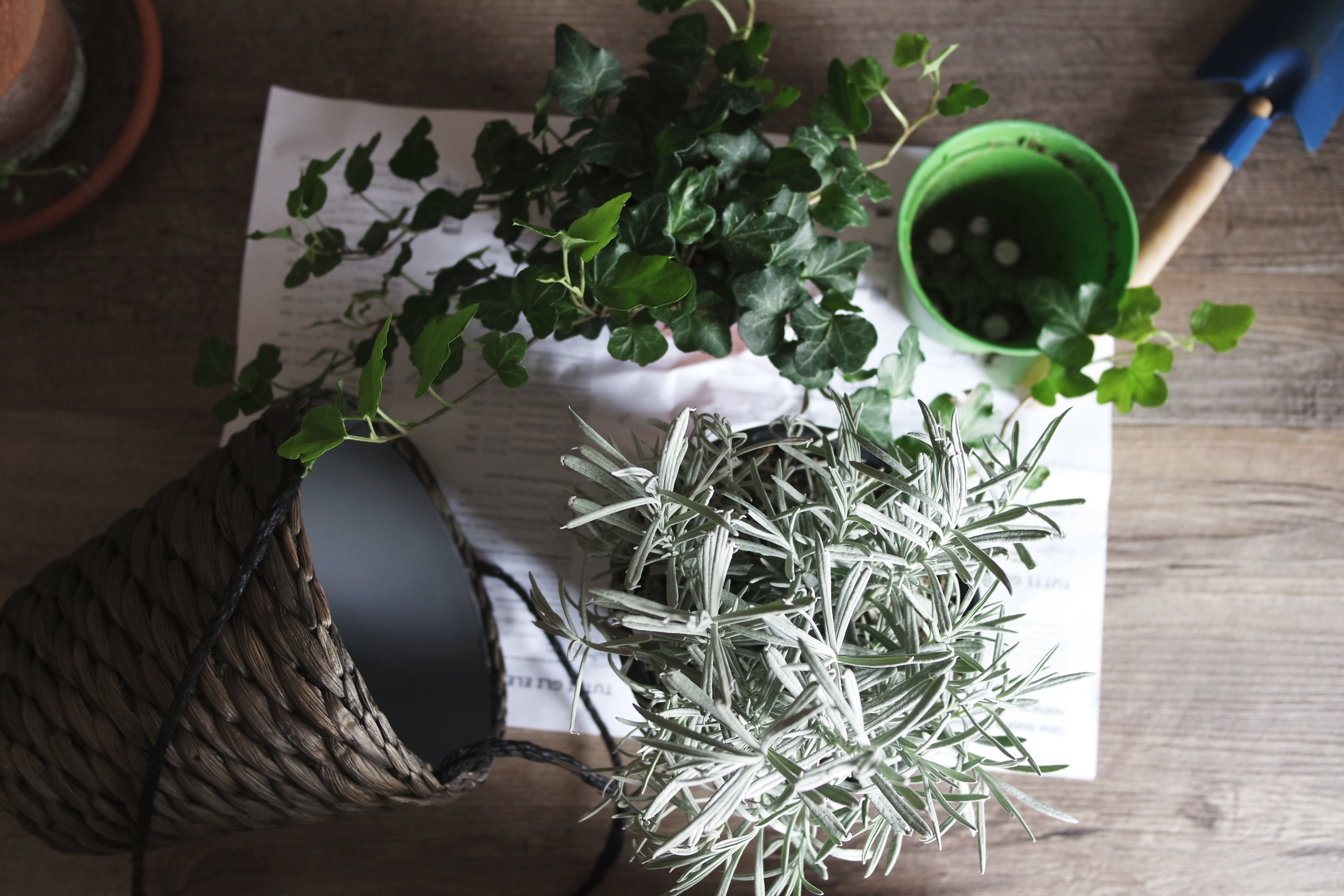
You do not need a shed full of shiny gear to start gardening. In fact, a crowded tool aisle is one of the quickest ways for a new gardener to spend money on jobs they do not have yet.
For a first garden, the useful kit is short: a way to dig, cut, carry water, smooth soil, pull weeds, and protect your hands and knees. Buy those tools well enough to enjoy using them, then let your garden tell you what else it needs.
The eight tools worth buying first
1. A sturdy hand trowel
A hand trowel is the tool you will reach for constantly: planting seedlings, lifting small weeds, making seed furrows, and poking around in containers. Look for a solid metal blade that runs into or through the handle rather than a blade simply glued into it. A comfortable handle matters more than a fancy shape.
One with depth marks can be handy for bulbs and transplants, but they are not essential. If you garden mostly in pots, this may be your most-used tool of all.
2. Bypass pruners
Bypass pruners work like scissors: one curved blade passes another. They make clean cuts on living stems, herbs, flowers, and small branches. Choose pruners that open and close smoothly in your hand and have a safety catch you can operate without a wrestling match.
Do not use bypass pruners on thick, dead wood or wire. That dulls and nicks the blade. For now, if a branch is too thick for a comfortable one-handed cut, leave it alone or use a pruning saw later.
3. Gloves that fit
Gloves are not mandatory for every task, but the right pair makes gardening far more pleasant. A breathable fabric back with a grippy palm is enough for planting, weeding, and moving mulch. Keep a tougher pair for thorny plants, rough stone, or repeated digging.
Fit is the deciding factor. Oversized gloves make it hard to handle seeds and pruners; tight gloves become distracting fast. Try closing your hand, gripping a trowel, and using the pruner catch before buying.
4. A watering can or hose with a gentle nozzle
New seeds and small transplants need water delivered slowly. A watering can with a removable rose, or a hose nozzle with a shower setting, prevents a hard stream from washing soil away or flattening seedlings.
For a few containers, a can is simple and precise. For a larger bed, a hose is easier on your back. Either way, water at the soil level when practical, and check moisture before watering on habit. Our guide to starting a garden explains how to get that rhythm right.
5. One full-size digging tool
Choose one based on your ground and your plans:
- Round-point shovel: the best all-purpose choice for planting holes, edging beds, and moving compost or soil.
- Garden fork: excellent for loosening compacted soil and mixing in compost without turning every layer upside down.
- Spade: useful for clean edging and straight-sided planting holes, though less versatile in rocky soil.
Do not buy all three on day one. A round-point shovel serves most beginners well. If your soil is heavy clay, a fork may earn its place first. Keep the handle long enough that you can work without constantly folding at the waist; Penn State Extension notes that tool fit and handle length make a real difference to comfort and fatigue.
6. A bow rake
This is the short, stiff-tined metal rake—not the wide leaf rake. Use it to level a bed, break up small clods, gather stones, and spread compost or mulch. It is surprisingly useful when you are preparing a raised garden bed or smoothing soil before direct-sowing.
The handle should feel natural in your hands and reach roughly to your upper chest or ear. A too-short rake turns a quick leveling job into a sore-back job.
7. A hoe or hand weeder
Weeds are easiest to deal with when they are tiny. In an open bed, a lightweight stirrup (also called scuffle) hoe slices shallow weeds just below the soil surface. In tight spots around seedlings, a small hand weeder or cultivator is more precise.
Pick one style to start. If your first garden is mostly containers, a hand weeder is enough. If you have a sunny bed with open paths, a hoe saves a lot of time. The goal is shallow cultivation—not digging up the whole bed every week.
8. A kneeling pad or garden seat
This one is easy to dismiss until your first long weeding session. A thick foam pad protects knees, keeps your clothes drier, and makes it easier to stay at a task long enough to finish it. If kneeling is difficult, use a low stool, an upside-down bucket, or a garden seat with handles.
Gardening should be repeatable, not an endurance test. Buy the small comfort aid that makes you want to come back tomorrow.
How to tell a good tool from a disappointing one
You do not need a premium brand name. You do need a tool that will not bend, loosen, blister your hand, or rust into a sculpture after one season.
Check these basics in the store:
- The connection: on digging tools, the metal head and handle should feel solid with no wiggle.
- The metal: choose steel or sturdy hardened aluminum over thin, flexible sheet metal for tools that go into soil.
- The handle: wood should be smooth and sealed; fiberglass and metal should have no cracks, splinters, or sharp seams.
- The weight: heavier is not automatically better. Pick the lightest tool that still feels rigid and controllable.
- The fit: simulate the motion you will make. A pruner should sit naturally in your hand; a long handle should let you stand upright.
Oregon State University Extension’s vegetable-gardening guide makes the same useful point: buy for quality rather than quantity. A few durable tools will outlast a collection of bargain-bin duplicates.
Tools you can safely skip for now
There is nothing wrong with specialty gear once you know you need it. At the beginning, though, skip these until a real problem appears:
- Soil moisture meters. Your finger, a small trowel, and observation are usually more reliable for a small garden.
- Motorized tillers. They are costly, hard to store, and unnecessary for a first bed. Compost, a fork, and time will improve soil without pulverizing it.
- Dozens of hand tools. A trowel, hand weeder, and pruners cover most close-up work.
- Gimmicky “all-in-one” tools. If a tool claims to replace six others, it is often awkward at all six jobs.
- Large bags and organizers. A bucket, simple basket, or apron keeps the short list together just fine.
- Expensive watering systems. Start with a can or hose. Upgrade to drip irrigation when watering is taking too much time.
Put that saved money toward compost, good potting mix for containers, or a few healthy plants. Those choices matter more to a first garden than a clever gadget.
A simple tool-care routine
Five minutes after a gardening session can add years to your tools.
- Knock or brush off clinging soil.
- Rinse only when soil will not brush away, then dry the tool completely.
- Wipe pruner blades clean before moving between plants that look diseased.
- Add a small amount of light oil to bare metal and pruner pivots when they begin to feel dry.
- Store tools under cover, off wet ground and out of standing water.
For pruning tools used on suspect plants, cleaning is not just cosmetic. University of Minnesota Extension recommends removing visible dirt and debris before disinfecting tools so pathogens are less likely to travel from plant to plant.
Your first shopping list
If you are standing in the aisle and want the short version, buy this:
- Hand trowel
- Bypass pruners
- Gloves
- Watering can or gentle hose nozzle
- Round-point shovel or garden fork
- Bow rake
- Hoe or hand weeder
- Kneeling pad
That is enough to start planting, maintain a small bed, and learn what your particular garden asks for. Once you have a season under your belt, you may decide you want a soil knife, a wheelbarrow, a drip system, or a favorite specialty hoe. Those are upgrades—not prerequisites.
Start with the tools that get plants into the ground and keep you comfortable while you care for them. Then go make your first garden a little bigger than you planned.
Frequently asked questions
What are the most essential gardening tools for a beginner?
Start with a hand trowel, bypass pruners, gloves, a watering can or hose with a gentle nozzle, a digging tool suited to your soil, a rake, a hoe or hand weeder, and a kneeling pad. Add specialty tools only when a particular job keeps coming up.
Are cheap garden tools worth buying?
Inexpensive tools are fine for occasional use, but avoid thin, bendable metal and loose handles. Spend a little more on the hand trowel, pruners, and digging tool you will use every week; a sturdy version is safer and generally lasts much longer.
Should I buy a shovel or a garden fork first?
Choose based on your soil. A round-point shovel is the more versatile first digging tool for planting holes and moving compost. A garden fork is especially useful in compacted or clay soil, where its tines loosen soil with less slicing through roots and worms.
How do I keep garden tools from rusting?
Brush off soil, rinse only when needed, and dry metal completely before storage. Wipe moving parts and bare metal with a light coat of oil, and store tools out of rain and off damp soil or concrete.
Do I need expensive ergonomic garden tools?
Not necessarily, but fit matters. Choose a handle length that lets you work upright, a grip that feels secure in your hand, and a tool weight you can comfortably control. Ergonomic features are most worthwhile when gardening causes wrist, hand, knee, or back discomfort.