Growing Tomatoes in Pots: Variety Choice, Pot Size, and Watering
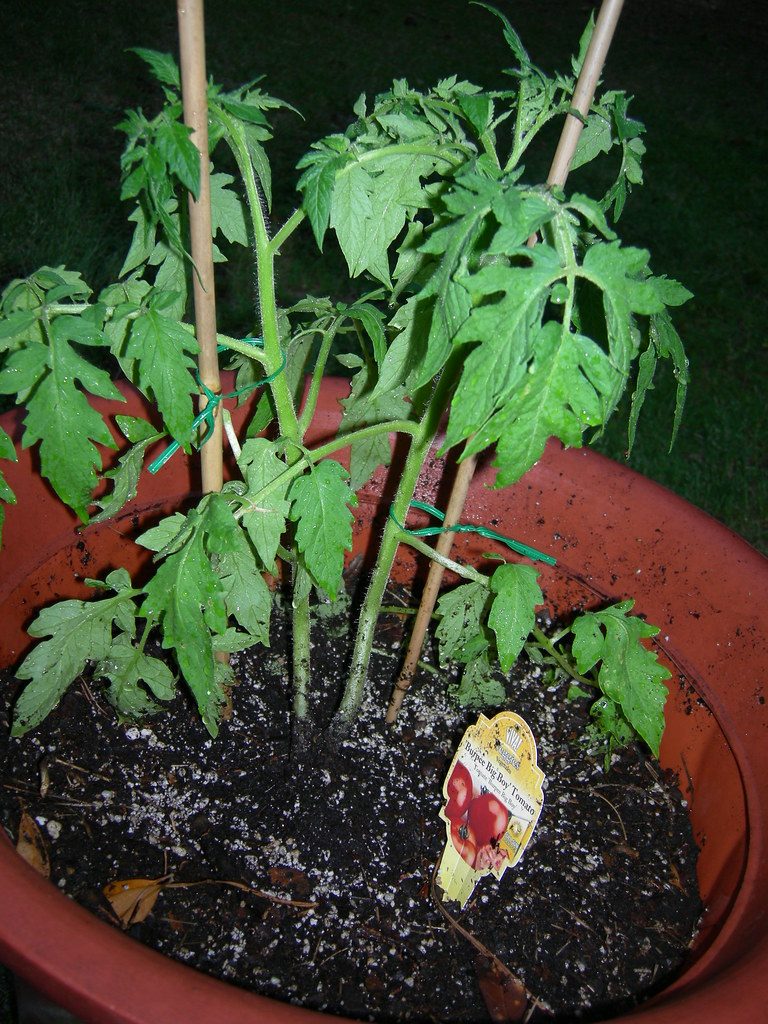
Set a tomato out in a container sized for a nursery six-pack, water it on the same schedule as a petunia, and it will struggle regardless of how much sun and attention it otherwise gets — not because tomatoes are poorly suited to pots, but because the pot itself is almost always the limiting factor. Give the same plant a properly sized container and a real watering routine, and the harvest can rival anything grown directly in the ground. This guide closes that specific gap: the container size that actually works, varieties bred for it, and the watering discipline pots demand that open garden beds mostly forgive.
Our general tomato growing guide covers planting depth, staking, and troubleshooting that apply whether a tomato is in the ground or a pot; this guide focuses specifically on what changes when the growing medium is a container instead of open earth.
Pot size: the single decision that determines success
If there’s one number to remember from this entire guide, it’s this: most container tomato failures trace back to an undersized pot. A tomato — even a compact variety — is a surprisingly large plant with a substantial root system and real water demands, and a small container simply can’t supply enough soil volume to buffer against heat, drought stress, or the plant’s own growth.
Minimum sizing, by variety type:
- Dwarf and patio varieties (which stay under two feet tall): 5 gallons minimum, though larger is always better for buffer against drying out.
- Determinate (bush) varieties (typically three to four feet): 10 gallons.
- Full-size indeterminate varieties (which can reach six to eight feet or more and keep growing all season): 15 gallons or more, genuinely — undersizing this category is the most common single mistake in container tomato growing.
When uncertain between two sizes, always choose the larger one. Extra soil volume translates directly into a larger water reservoir, meaning fewer daily watering emergencies and a plant considerably more forgiving of an occasionally missed check-in. Our container drainage guide covers the equally important flip side — the pot needs real drainage holes regardless of size, or the extra volume just becomes a bigger reservoir for root-rotting excess water.
Choosing the right variety
For a first attempt, choose determinate or dwarf varieties bred specifically for containers — ‘Patio’, ‘Bush Early Girl’, ‘Celebrity’, ‘Tumbling Tom’ (excellent trailing over a hanging basket or tall pot’s edge), and ‘Tiny Tim’ are all widely available and genuinely bred to stay compact while still producing a real harvest.
Full-size indeterminate varieties (most heirloom tomatoes, many beefsteak types) absolutely can be grown in containers, but the commitment scales up considerably: a genuinely large pot, a sturdy cage installed at planting time (retrofitting a cage onto a grown plant is difficult and often damages roots), and watering attention that borders on daily even in moderate weather. This is a reasonable second-season upgrade once the basics of container tomato watering feel manageable, rather than the easiest starting point.
Fabric grow bags versus rigid pots
Fabric grow bags have become a favorite among experienced container tomato growers for good reason: their breathable walls air-prune roots — when a root reaches the fabric edge, exposure to air stops its growth rather than letting it circle endlessly around the container’s interior the way roots often do in rigid plastic pots. This produces a denser, more branched, more efficient root system. Fabric bags also drain and aerate exceptionally well.
The tradeoff: fabric bags dry out somewhat faster than rigid plastic or glazed ceramic, given their breathable construction, meaning slightly more frequent watering attention, especially in hot, sunny, or windy locations. For most growers, the root health benefit outweighs the modest extra watering vigilance required.
Alt: Comparison of tomato root systems grown in a fabric grow bag versus a rigid plastic pot
Caption: Air-pruned roots from a fabric bag (left) versus the circling pattern rigid pots often produce.
Soil and planting
Use quality potting mix, never garden soil, which compacts badly in a container and drains poorly — the same rule that governs every container planting, covered fully in our drainage guide. Mix in a modest amount of compost at planting time for a nutritional head start, though most of the season’s feeding will come from supplemental fertilizer rather than the initial soil mix alone.
Plant deeply, exactly as with an in-ground tomato — burying two-thirds of the stem, which grows roots along its buried length and builds a stronger root system than planting at the same depth as the nursery pot. Install the cage or stake at planting time, not later, since a mature tomato’s root ball doesn’t tolerate a stake being driven through it after the fact.
Watering: where container tomatoes actually live or die
This is the area demanding the most adjustment from anyone used to in-ground tomato growing. A container’s limited soil volume dries out dramatically faster than garden soil, especially in full summer sun and heat — daily watering, sometimes twice daily during a heat wave, is genuinely normal for a properly sized tomato pot in peak summer, not a sign anything is wrong.
Consistency matters more than volume exactly. The two classic tomato problems — blossom-end rot (a dark, sunken patch on the fruit’s bottom, from disrupted calcium delivery) and fruit cracking (splits in the skin, from a sudden influx of water after a dry spell) — are both driven by irregular watering swings between too dry and too wet, a risk considerably higher in containers than in-ground beds simply because containers swing between those extremes so much faster. Watering on a predictable schedule, checked and adjusted daily rather than reactively once a plant already looks stressed, prevents most of both problems.
A simple daily check — a finger pushed an inch or two into the soil, or lifting the pot to judge its weight, the same technique used for any container plant — tells you quickly whether that day needs water, and during peak summer for an actively fruiting tomato, the answer is very often yes.
Feeding: more often than an in-ground bed
Because frequent watering flushes nutrients out through the drainage holes faster than they would leach from garden soil, container tomatoes generally need more frequent feeding than the same variety grown in a compost-amended bed. A diluted liquid fertilizer applied every one to two weeks once fruiting begins is a reasonable baseline, adjusted based on how the plant looks — pale, slow growth suggests stepping up feeding frequency; excessively lush, leafy growth with few flowers suggests backing off, since overfeeding nitrogen produces exactly this all-vines-no-fruit pattern in containers just as it does in the ground.
Sun, placement, and the container advantage
Full sun — six to eight hours minimum — remains non-negotiable regardless of growing medium. The genuine advantage containers offer over an in-ground bed is mobility: a pot can be repositioned through the season to chase the sunniest available spot, moved to a more sheltered location ahead of a severe storm, or shifted to catch reflected heat off a sunny wall early in the season when warmth is still scarce — flexibility no in-ground planting can match.
The season, condensed
Choose a pot at least 10 gallons for most varieties (5 for genuine dwarf types, 15-plus for full-size indeterminate), pick a compact bred-for-containers variety for a first attempt, plant deep with the cage installed immediately, water with real daily consistency through summer rather than waiting for wilting as a cue, and feed every one to two weeks once fruit sets. Handled this way, a container tomato isn’t a compromise version of the in-ground experience — it’s simply a different set of inputs producing the same real result: a genuine, ripe, homegrown tomato, grown entirely on a patio, balcony, or driveway that never had a garden bed to begin with.
Frequently asked questions
What size pot do I need to grow a tomato?
At minimum 5 gallons for a compact dwarf or patio variety, and 10 to 15 gallons or more for a full-size indeterminate tomato — undersized pots are the single most common reason container tomatoes struggle, since they dry out fast, restrict root growth, and can't support a large plant's water demands through a hot summer.
Which tomato varieties are best for growing in containers?
Determinate (bush) and dwarf varieties bred specifically for pots — names like 'Patio,' 'Bush Early Girl,' 'Celebrity,' 'Tumbling Tom,' and 'Tiny Tim' — stay compact and don't need the sprawling space or towering cage a full-size indeterminate variety demands. Full-size indeterminate tomatoes can be grown in large pots but need a serious cage and considerably more water.
How often do potted tomatoes need to be watered?
Often daily in hot summer weather, sometimes twice a day for smaller pots or during a heat wave, since a container's limited soil volume dries out far faster than an in-ground bed. Consistency matters more than frequency exactly — irregular watering swings are the direct cause of both blossom-end rot and fruit cracking in potted tomatoes.
Do container tomatoes need more fertilizer than garden-grown ones?
Yes, generally — frequent watering flushes nutrients out through the drainage holes faster than in garden soil, so potted tomatoes typically need feeding every one to two weeks with a diluted liquid fertilizer once fruiting begins, rather than the lighter, less frequent feeding schedule that suits an in-ground bed with compost-amended soil.
Why do my potted tomatoes get blossom-end rot even though I water them?
Blossom-end rot comes from inconsistent watering, not insufficient watering overall — a pot that swings between bone-dry and soaked disrupts calcium delivery to developing fruit even if the total weekly water amount seems adequate. The fix is watering on a more regular, predictable schedule rather than waiting until the plant visibly wilts.
Can I grow a full-size tomato variety in a pot, or only dwarf types?
Full-size indeterminate varieties can be grown successfully in containers, but need a genuinely large pot (15 gallons or more), a sturdy, tall cage installed at planting time, and considerably more frequent watering and feeding than a compact variety would require in the same conditions. For a first attempt at container tomatoes, a determinate or dwarf variety is the easier and more forgiving choice.
Should I use a fabric grow bag or a rigid plastic or terracotta pot for tomatoes?
Fabric grow bags are an excellent choice for tomatoes specifically — they promote healthy root pruning at the fabric walls (preventing the circling roots that can develop in rigid pots) and improve drainage and airflow, though they do dry out somewhat faster than rigid plastic, meaning slightly more frequent watering attention.