Fall Bulb Planting Guide: Tulips, Daffodils, and the Mistakes to Avoid
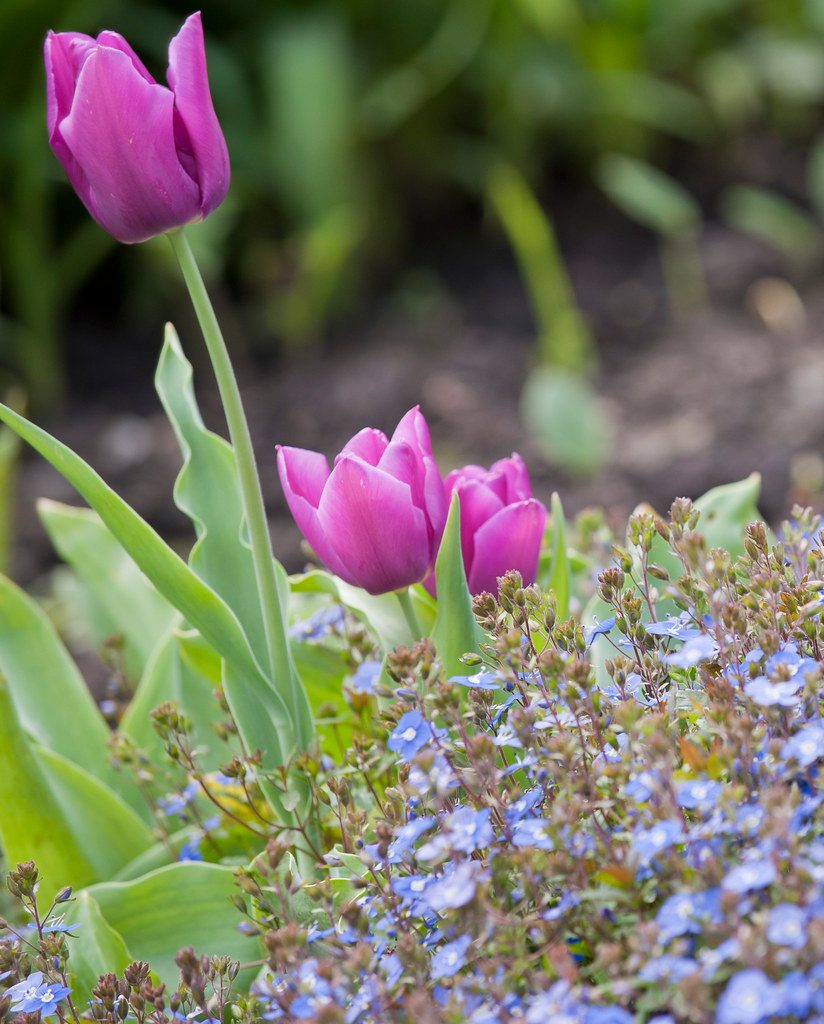
Every spectacular spring bulb display — a sweep of tulips, a drift of daffodils under a still-bare tree — starts months earlier than most people expect, planted into cooling fall soil while the rest of the garden is winding down for the year. It’s one of gardening’s odder timing quirks: the payoff arrives in a completely different season from the effort, which is exactly why fall bulb planting catches so many first-time gardeners off guard, and why a handful of avoidable mistakes at planting time so often show up as disappointing results the following spring.
Timing: work backward from the ground freezing
Plant spring-flowering bulbs in fall, generally October through early December depending on your region, with the hard deadline being before the ground freezes solid. More precisely, tulips and daffodils need a sustained period of roughly 12 to 16 weeks of cold soil temperatures (commonly cited as consistently between 35°F and 45°F) to properly complete the biological process that triggers spring blooming — planting too late to accumulate this full cold period is a common reason bulbs bloom poorly or not at all their first spring.
This means colder regions should plant earlier in the fall window, while milder climates have more flexibility to plant later, and the very warmest regions (where ground temperatures never reliably drop into that cold range) sometimes need to pre-chill bulbs in a refrigerator before planting to simulate the winter dormancy the bulbs require — a workaround worth checking with local extension guidance if you garden somewhere with mild winters.
Depth: the most common mistake
Plant bulbs roughly three times as deep as the bulb is tall — for large bulbs like tulips, daffodils, and hyacinths, this typically works out to 6 to 8 inches deep. Planting too shallow is, by a wide margin, the most common beginner mistake with fall bulbs, and it has real consequences: shallow-planted bulbs often produce weaker, floppier stems, bloom less reliably, and are considerably more prone to heaving — being pushed partway out of the ground by winter’s repeated freeze-thaw cycles, which exposes them to cold damage and drying out.
Smaller bulbs (crocus, small alliums) need proportionally less depth, but the same three-times-the-bulb-height rule applies as a reliable general guide across bulb sizes.
Alt: Ruler showing correct planting depth for a tulip bulb in soil
Caption: The most skipped measurement in fall bulb planting — and the one that decides how strong next spring's stems will be.
Orientation: pointed end up
The pointed tip faces up; the flatter, often root-marked base faces down. Planting a bulb upside down doesn’t necessarily kill it outright, but it forces the emerging shoot to work its way around the bulb to find the surface, which delays emergence and often produces weaker, later blooms than a correctly oriented bulb. If a specific bulb’s orientation isn’t clear (some smaller or irregularly shaped bulbs can be ambiguous), planting it on its side is a safer bet than guessing the orientation wrong, since a sideways bulb’s shoot still finds its way up reliably.
Buying bulbs: size and firmness matter as much as variety
At the point of purchase, a few quality checks matter more than most catalog descriptions let on: choose bulbs that feel firm and heavy for their size, with no soft spots, visible mold, or significant surface damage. Larger bulbs within the same variety generally produce larger, stronger blooms in their first season, since more stored energy is packed into the bulb itself before it’s even planted. Bargain bulk-bin bulbs are sometimes a poor value specifically because they’ve often dried out or been mishandled in storage — a noticeably lighter or softer bulb, even at a lower price, is usually a worse investment than a firm, plump one from a more careful supplier.
Soil drainage: the requirement bulbs won’t compromise on
Most spring bulbs, and daffodils in particular, have one non-negotiable requirement: well-draining soil. Bulbs sitting in consistently wet, poorly drained ground are highly prone to rotting before spring ever arrives, regardless of how correctly the depth and timing were handled. If your planting area has heavy clay or tends to stay soggy, working in compost to improve structure (per our soil improvement guide) or choosing a naturally better-drained spot matters as much as any other single factor in this guide.
Planting and initial watering
- Dig a trench or individual holes to the appropriate depth for the bulb type being planted.
- Place bulbs pointed-end up, spaced according to the bulb size — large bulbs like tulips and daffodils generally want about 4 to 6 inches between them, allowing room for the bulb to eventually multiply without immediate overcrowding.
- Backfill with soil, gently firming it down without heavily compacting it.
- Water thoroughly immediately after planting — this is an easily overlooked step, since the bulbs won’t show any visible above-ground growth for months, but that initial watering helps bulbs begin establishing roots before the soil fully cools and settles properly around them.
- Mulch lightly over the planted area, which helps moderate soil temperature swings through the winter without needing any further attention until spring growth appears on its own.
Choosing and combining bulb types
Tulips and daffodils are the classic fall-planted pairing, and combining them offers a practical bonus beyond simple variety: daffodils are mildly toxic and generally avoided by deer and squirrels, while tulips are notably appealing to the same wildlife — planting daffodils around or interspersed with a tulip planting offers some incidental protection alongside extending the bloom display, since the two often flower at slightly overlapping but distinct windows.
Crocus and other small early bulbs planted at shallower depth (following the same three-times-height rule at their smaller scale) provide the earliest color of the spring season, often pushing through even before the last patches of snow have fully melted.
Perennial reliability: what comes back on its own
Daffodils are perennial in most climates and, given decent conditions, will return and gradually multiply for many years with minimal ongoing care — one of the best low-maintenance investments in a fall bulb planting. Tulips are somewhat less consistently perennial, particularly in warmer regions where they may not receive the sustained winter chill they need to rebloom reliably; some gardeners in these climates treat certain tulip varieties as an annual planting, replanted fresh each fall for the fullest, most reliable display, rather than counting on the same bulbs to perform indefinitely.
For established perennial bulbs, letting foliage die back naturally after blooming, rather than cutting or braiding it away for tidiness, is essential — the leaves continue photosynthesizing and feeding the bulb for several weeks after flowers fade, building the stored energy needed for next year’s bloom. Removing foliage too early is a common way a perennial bulb planting gradually declines over a few seasons even though nothing else about its care changed.
Why the fall effort is worth it
Fall bulb planting asks for an unusual kind of patience — real, hands-on effort in October or November for a display that won’t be visible until March or April, with nothing to show for it in between but faith that the work is happening underground. That gap is exactly why the depth, orientation, and drainage details matter so much: there’s no opportunity to correct a mistake partway through the process the way there is with a spring-planted, quickly visible crop. Get the fundamentals right at planting time, and the payoff — often years of returning, multiplying color from a single fall afternoon’s work — is one of the most reliably rewarding trades in the whole gardening calendar.
Frequently asked questions
When should I plant spring-flowering bulbs?
In fall, typically October through early December depending on your region — the key requirement is planting before the ground freezes solid, and ideally while soil temperatures are still cool but workable. Tulips and daffodils specifically need a period of roughly 12 to 16 weeks of cold soil temperatures to properly bloom the following spring.
How deep should I plant tulip and daffodil bulbs?
A reliable rule of thumb is three times the bulb's height — for large bulbs like tulips and daffodils, this typically works out to 6 to 8 inches deep. Planting too shallow is one of the most common beginner mistakes and can result in weak stems, delayed or absent blooming, or bulbs that heave out of the ground over winter freeze-thaw cycles.
Which end of a bulb goes up when planting?
The pointed tip faces up, and the flatter, often slightly fuzzy or root-marked base faces down — planting a bulb upside down forces the emerging shoot to work around the bulb to find its way up, which delays or sometimes prevents blooming entirely. If a bulb's orientation isn't obvious, planting it on its side is a safer bet than guessing wrong.
Do spring bulbs need water after planting?
Yes — water thoroughly right after planting, even though the bulbs won't show visible growth until spring. This initial watering helps bulbs begin establishing roots before the ground fully cools and settles the soil around them, and skipping it is a commonly overlooked step among the mistakes that reduce spring bloom quality.
Can I plant bulbs in soil that stays wet or poorly drained?
This is risky — most spring bulbs, daffodils especially, have one major non-negotiable requirement of well-draining soil, and bulbs sitting in consistently soggy ground are prone to rot before they ever get the chance to bloom. Amending heavy clay soil with compost, or choosing a naturally well-drained spot, matters as much as getting the depth and timing right.
Should I plant tulips and daffodils together, or separately?
Either works, though many gardeners find that daffodils (which deer and squirrels generally avoid, thanks to a mild toxicity) planted around and among a cluster of tulips (which wildlife find quite palatable) offers some incidental protection, alongside simply extending and layering the bloom display through the planting.
Do spring bulbs come back every year, or do I need to replant?
Many spring bulbs, daffodils especially, are genuinely perennial and will return and often multiply for many years with minimal care. Tulips are somewhat less reliably perennial in many climates, particularly in warmer regions, and some gardeners treat certain tulip varieties as an annual replant for the most consistent, full display each spring.