Harvesting and Storing Fresh Herbs So Nothing Goes to Waste
Growing herbs successfully is only half the project — the other half, quietly skipped by a lot of otherwise careful gardeners, is what happens between cutting a sprig and using it. A perfectly grown basil plant still ends up wasted if it’s harvested carelessly (stunting future growth), stored wrong (wilted by dinner), or left with no plan for the inevitable midsummer surplus that outpaces what any household can eat fresh. This guide covers both halves properly: the cutting technique that keeps plants productive, and the storage methods — refrigeration, freezing, and drying — that preserve flavor instead of quietly losing it.
Harvest technique: cutting in a way that helps the plant
Timing: the best window is mid-morning, once overnight dew has dried but before the day’s heat sets in. Aromatic oil content — the compounds responsible for an herb’s flavor — tends to peak in this window, and herbs cut in the heat of the afternoon are noticeably milder in comparison.
The cut itself varies by growth habit, and matching the technique to the plant matters:
- Pinch stem tips on herbs like basil and mint, cutting just above a leaf pair. This is the most important cut in an herb garden — it forks the stem into two new growing points, directly building a bushier, more productive plant rather than one long leggy stem. Our basil guide covers this technique in full detail, since basil rewards it more visibly than almost any other herb.
- Cut outer stems at the base on herbs like parsley, chives, and cilantro, which grow from a central crown — new growth emerges from the center, so harvesting the oldest outer stems first keeps the plant continuously productive rather than stripping it all at once.
- Snip sprigs from green growth on woody herbs like rosemary, thyme, and sage, taking up to about a third of the plant at once but never cutting back into bare, leafless wood, which most woody herbs won’t resprout from — a rule covered specifically in our rosemary guide.
Never harvest more than about a third of a plant at once, regardless of species — leaves are how the plant photosynthesizes and fuels its own regrowth, and stripping too much at once sets a plant back further than the same total harvest spread across several smaller cuttings.
On flowering: many herbs turn slightly bitter or shift their oil profile once they flower, since the plant’s energy redirects toward seed production. Pinching off flower buds as they appear — particularly on basil, which flowers readily in summer heat — both delays this shift and encourages more leafy growth in the meantime, extending the harvest window.
Alt: Hand pinching a basil stem tip above a leaf pair to encourage bushier growth
Caption: The pinch that forks one stem into two — the most valuable cut in the whole herb bed.
A quick guide to which method suits which herb
Rather than treating every herb the same, it helps to sort the whole herb bed into two rough camps before deciding on storage:
- High-moisture, tender-leaved herbs — basil, parsley, cilantro, chives, dill, mint — bruise easily, wilt fast, and generally freeze better than they dry.
- Low-moisture, woody-stemmed herbs — rosemary, thyme, oregano, sage, bay — hold their structure and oils well and dry into a good long-term pantry staple.
Knowing which camp a given herb falls into before deciding whether to freeze or dry it saves a fair amount of disappointment — drying basil, for instance, is a common beginner move that reliably produces a dull, faded product compared to the vivid flavor a frozen basil cube retains.
Short-term storage: keeping herbs fresh for a few days
Different herbs want different refrigerator treatment, and mismatching them shortens shelf life considerably:
Tender, leafy herbs — parsley, cilantro, and most others in this category — do best treated like cut flowers: trim the stem ends, stand them upright in a glass with an inch or two of water, and loosely cover the top with a plastic bag before refrigerating. Changing the water every couple of days extends freshness further, often keeping herbs usable for a week or more.
Basil is the notable exception — it dislikes cold and wilts and blackens faster in the refrigerator than at cool room temperature. Store basil the same bouquet-in-water method described above, but leave it on the counter rather than in the fridge, out of direct sun.
Hardy, woody herbs — rosemary, thyme, sage, oregano — hold up better wrapped loosely in a slightly damp paper towel, placed inside a partially open bag, and stored in the refrigerator’s crisper drawer, where they’ll typically keep well for one to two weeks.
Freezing: best for tender, high-moisture herbs
Drying tends to disappoint with tender, high-moisture herbs like basil, parsley, chives, and cilantro — they often lose much of their bright flavor and turn nearly dustlike in the process. Freezing preserves flavor considerably better for this category:
- The ice cube method: chop herbs finely, pack them into ice cube tray compartments, top with water or olive oil, and freeze solid. Once frozen, pop the cubes into a labeled freezer bag, which frees the tray for the next batch and keeps portions organized and easy to grab — a cube drops straight into a simmering soup, sauce, or sauté with no thawing needed first.
- Flat-freezing: chopped herbs spread in a thin layer on a parchment-lined tray, frozen solid, then transferred to a labeled freezer bag — this method skips the oil or water and works well when a recipe doesn’t want the extra liquid a cube would introduce.
Frozen herbs lose some textural quality (they won’t look fresh once thawed) but retain flavor well for cooked applications, which is the overwhelming majority of how frozen herbs get used.
Drying: best for woody, low-moisture herbs
Rosemary, thyme, oregano, sage, and similar woody herbs dry beautifully, retaining strong flavor for months when done properly:
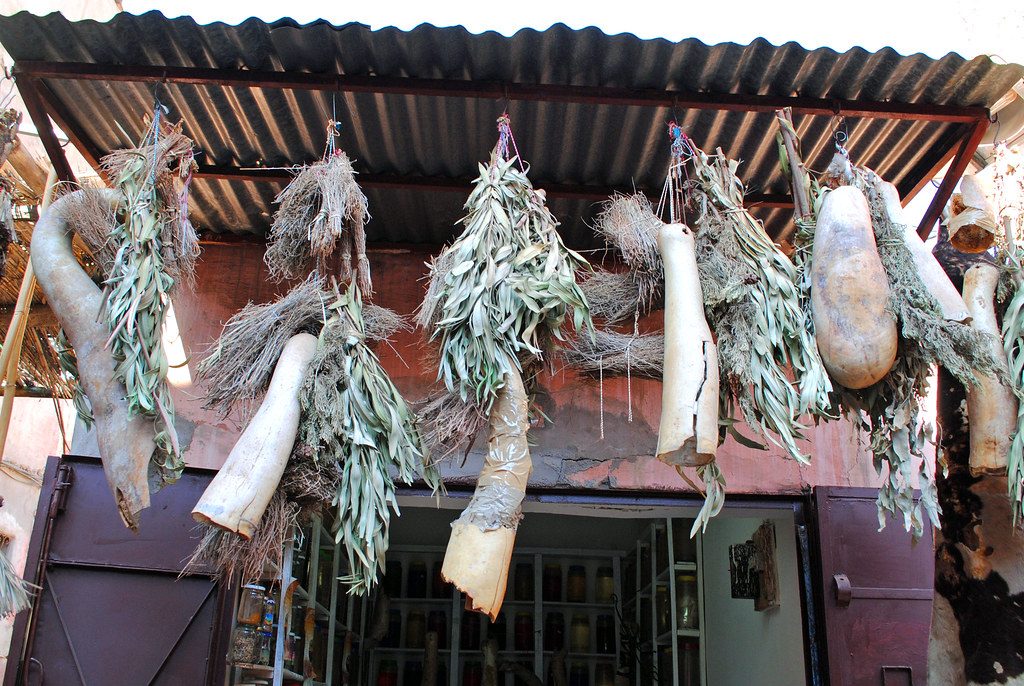
- Air-drying: bundle small stems with a rubber band (which tightens as stems shrink while drying, keeping the bundle secure) and hang upside down somewhere dry, dark, and well-ventilated for one to two weeks, until leaves crumble easily.
- Oven or dehydrator drying: spread stems in a single layer and use the lowest possible oven setting (ideally under 180°F) with the door slightly ajar, or a dehydrator’s herb setting, checking every 20 to 30 minutes — this method is considerably faster than air-drying but requires closer attention to avoid scorching.
Once fully dry, strip leaves from stems and store whole or lightly crushed (crushing releases oils faster, so whole leaves retain potency slightly longer) in a sealed, airtight container, away from light, heat, and moisture — a kitchen cabinet rather than a spot near the stove, which exposes stored herbs to heat that accelerates flavor loss.
Storage life: knowing when herbs have faded
Dried herbs generally hold peak flavor for six months to a year in proper storage, after which they don’t spoil exactly but do gradually lose potency — a jar of two-year-old dried oregano is safe to use, just noticeably milder than it once was. Labeling containers with the drying date is a simple habit that prevents the common mistake of assuming an unmarked jar is still at full strength.
Frozen herbs hold reasonably well for about six months in a standard freezer before quality begins to decline, and labeling freezer bags with the freeze date serves the same tracking purpose.
Turning a surplus into a system
The real value of these methods shows up at the point most herb gardens struggle: the midsummer surplus, when a thriving basil or mint plant produces far more than any household eats fresh in a week. Rather than letting that abundance go to waste (or over-harvesting a plant trying to keep pace, which stresses it more than the gentler regular pinching this guide describes), a standing habit of freezing tender herbs and drying woody ones as they come in converts a garden’s seasonal surplus into a pantry that lasts well past the growing season — the difference between an herb garden that occasionally overwhelms you and one that quietly stocks your kitchen for the whole year.
Frequently asked questions
What's the best time of day to harvest herbs?
Mid-morning, after any dew has dried but before the day's heat builds — this is when aromatic oil content, which drives flavor, is typically at its peak. Herbs harvested in the heat of the afternoon tend to have somewhat diminished flavor compared to the same plant cut a few hours earlier.
Does cutting herbs regularly hurt the plant?
The opposite — regular harvesting acts as pruning, encouraging most herbs to branch and grow bushier rather than leggy and sparse. Herbs like basil and mint specifically benefit from frequent cutting, producing more usable growth over a season than an unharvested plant of the same age and size.
Should I harvest herbs before or after they flower?
Generally before, for the best flavor — once many herbs flower, their leaves often turn slightly bitter or their essential oil profile shifts as the plant's energy redirects toward seed production. Pinching off flower buds as they appear, on herbs like basil, both delays this shift and encourages more leafy growth in the meantime.
What's the best way to store fresh herbs in the refrigerator?
For tender herbs like basil, parsley, and cilantro, trim the stem ends and stand them in a glass of water like a small bouquet, loosely covered with a plastic bag, and refrigerated (except basil, which prefers room temperature and dislikes cold). For hardier herbs like rosemary and thyme, wrap loosely in a slightly damp paper towel inside a bag in the crisper drawer.
Is it better to freeze or dry herbs for long-term storage?
It depends on the herb — tender, high-moisture herbs (basil, parsley, chives, cilantro) generally retain better flavor frozen than dried, since drying can turn them flavorless or dusty. Woodier, lower-moisture herbs (rosemary, thyme, oregano, sage) dry beautifully and retain good flavor for months in a dry, dark container.
How do I freeze fresh herbs?
Chop herbs and pack them into ice cube tray compartments, top with water or olive oil, and freeze — each cube becomes a pre-portioned addition straight into soups, sauces, or sautés. Once frozen solid, popping the cubes into a labeled freezer bag frees up the tray and keeps the freezer organized for the next batch.
How long do dried herbs actually keep their flavor?
Generally six months to a year at full potency when stored properly — in a sealed container, away from light, heat, and moisture — after which flavor gradually fades even though the herb remains technically usable. Labeling containers with the drying date helps track this, since dried herbs rarely show obvious visual signs of having lost their punch.