How to Grow Carrots That Aren't Stubby, Forked, or Bitter
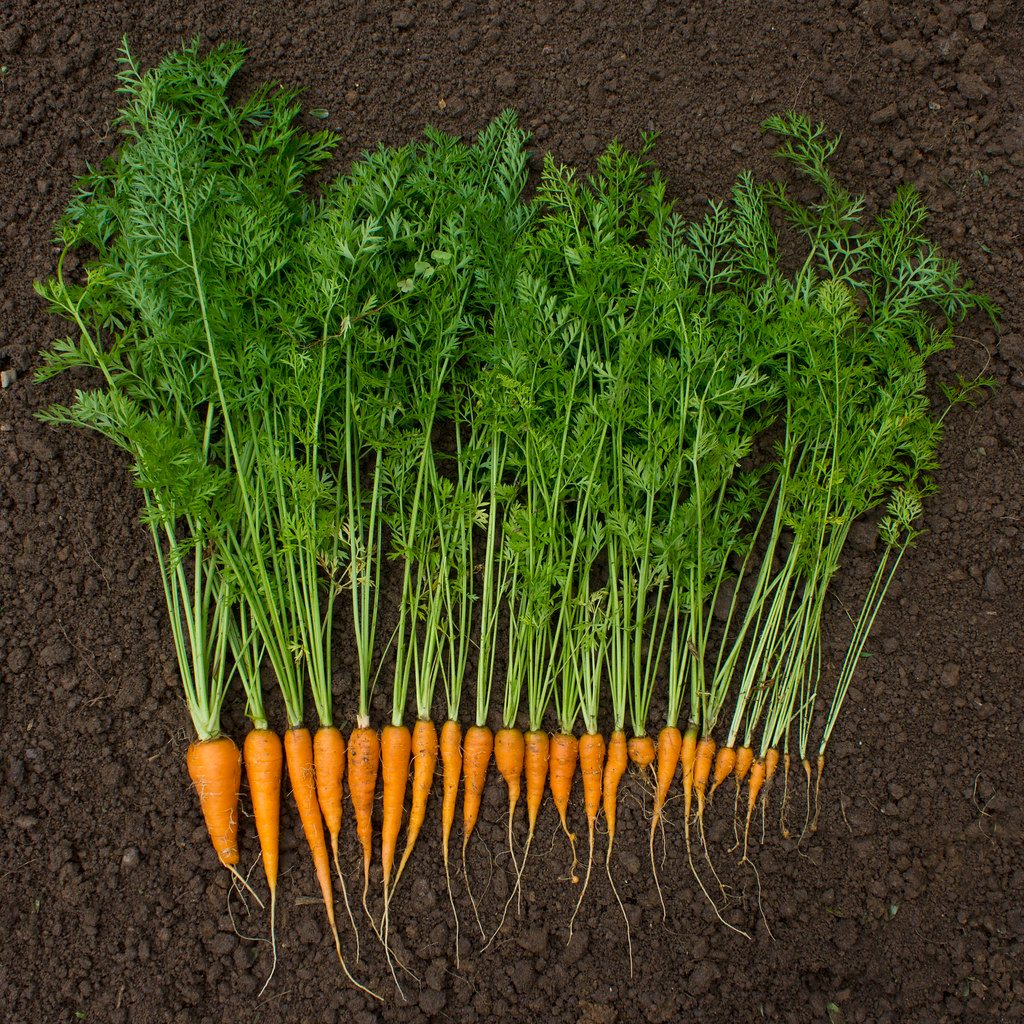
A carrot root can only grow as straight and long as the soil directly in front of it allows — no variety, fertilizer, or watering schedule changes that basic fact. This is why two gardeners with identical seed packets end up with completely different results: one pulls long, straight roots, the other pulls a fistful of stubby forks, and the difference almost always traces to what was happening beneath the soil surface before either of them planted a single seed. Carrots reward soil preparation more than a green thumb.
Soil preparation is the whole ballgame
Unlike many vegetables that tolerate imperfect soil reasonably well, carrots are truly unforgiving of rocky, compacted, or heavy clay soil — a growing root that encounters a rock, a dense clay layer, or any real resistance simply forks around the obstruction, stops growing early, or twists into odd shapes rather than pushing straight through. This is the single most common reason home-grown carrots come out short, stubby, or oddly forked despite otherwise reasonable care.
The fix is straightforward, if a bit more labor-intensive than sowing many other vegetables: loosen soil to a depth of at least 8 to 10 inches, removing rocks, sticks, and other debris as thoroughly as practical, before sowing. A digging fork worked through the planting area, breaking up compacted soil and heavy clumps, is usually sufficient for garden soil that isn’t severely compacted; very heavy clay or genuinely rocky native soil may be worth bypassing entirely in favor of a raised bed filled with loose, amended soil, which sidesteps the underlying soil problem completely rather than trying to correct it in place.
Choosing a variety that matches your soil
Not every carrot needs the full 8 to 10 inches of perfectly loose soil — shorter, round, or ball-shaped varieties (sometimes called Parisian or Thumbelina types) are specifically bred to perform well in shallower or heavier soil where a standard long carrot would struggle, making them a smart choice for a garden with less-than-ideal native soil or for container growing. Standard long, tapered varieties (Nantes, Danvers, and Imperator types are common categories) reward the deeper soil preparation described above with a longer, more classically shaped harvest, but they’re not the only reasonable option for every garden situation.
Sowing carrot seed directly
Carrots are almost always direct-sown rather than started indoors and transplanted, since their taproot is easily damaged or deformed by transplanting — a disturbed root often forks or stunts in response, undermining the entire soil-preparation effort described above. Sow seed shallowly, about a quarter inch deep, directly into the prepared bed.
Carrot seed germination is notoriously inconsistent and can take 1 to 3 weeks, considerably longer and less predictable than many other vegetable seeds — keeping the soil surface consistently moist throughout this stretch matters more for carrots than for most crops, since the tiny seeds can fail to germinate at all if the surface dries out even briefly during this extended window. A light covering of straw or fine mulch over the seed row helps retain surface moisture during germination without needing constant hand-watering attention.
Why thinning matters more than it seems like it should
Because carrot germination is unpredictable, seed is typically sown more thickly than the intended final spacing, as a hedge against poor germination. This makes thinning — removing excess seedlings once they’re a couple inches tall, down to a final spacing of roughly 2 to 3 inches apart — an essential step, not an optional refinement.
Skipping thinning is one of the most common reasons a carrot bed disappoints at harvest: crowded carrots compete directly for the root space, water, and nutrients needed to size up properly, and the typical result is a bed of many small, thin, misshapen carrots rather than a smaller number of properly sized ones. It can feel wasteful to deliberately pull and discard (or eat as tiny baby carrots) perfectly viable young seedlings, but the alternative — a whole bed of stunted, crowded roots — is the worse outcome by a clear margin.
Watering for sweetness, not just survival
Carrots need consistent moisture throughout their growing period, and inconsistency shows up in the final harvest as bitterness, cracking, or oddly shaped roots — a carrot that experiences a drought stretch followed by heavy watering often develops cracks from the sudden growth spurt after the dry period, similar to the growth-crack issues seen in other root vegetables under the same conditions. A steady watering schedule, checked against actual soil moisture rather than a rigid calendar, produces noticeably better flavor and shape than an inconsistent approach.
Timing for the sweetest flavor
Carrots are a cool-season crop, needing roughly 60 to 90 days of cool weather to develop good size and flavor, which makes early spring (sown as soon as soil can be worked) and mid-to-late summer (for a fall harvest) the two best planting windows in most climates. Interestingly, carrots exposed to a light frost, or harvested in real fall cold, often taste noticeably sweeter than those grown and harvested in summer heat, since cool temperatures encourage the plant to convert stored starches into sugars as a natural response — this is part of why many experienced gardeners deliberately time a carrot crop to mature in fall rather than treating spring as the only good option.
Knowing when to harvest
Carrots can be pulled at nearly any size once roots have begun to visibly size up, and many gardeners prefer harvesting somewhat smaller, sweeter roots rather than waiting for maximum size — flavor and texture are often at their best before a carrot reaches its full potential size, and roots left in the ground too long past their prime can turn woody or develop a more bitter flavor. Gently loosening the soil alongside the row with a digging fork before pulling, rather than yanking straight up, reduces the chance of snapping the root partway, which is a common frustration in less thoroughly loosened soil.
Container growing: deeper than lettuce, easier than expected
Carrots grow well in containers as long as depth requirements are respected — at least 12 inches deep for standard full-length varieties, though the shorter round varieties described above do fine in considerably shallower containers, making them a particularly good match for container growing generally. Since containers dry out meaningfully faster than garden soil, the consistent-moisture principle that governs carrot flavor and shape matters even more in a container setting, making daily moisture checks during warm weather a worthwhile habit for anyone growing carrots this way.
Common pests: carrot rust fly and aphids
Carrot rust fly larvae tunnel into carrot roots, leaving rusty brown tunnels that ruin the harvest even when the exterior looks fine at a glance, and are one of the more carrot-specific pests worth knowing about by name. Floating row covers placed over the bed immediately after sowing, left in place through most of the growing season, are the most reliable prevention, physically blocking adult flies from reaching the soil to lay eggs near the developing roots in the first place. Crop rotation — not planting carrots or other members of the carrot family in the same spot in consecutive years — also reduces rust fly pressure over time, since the pest overwinters in soil where a previous crop was grown, a principle covered in more depth in our guide to crop rotation.
Aphids occasionally cluster on carrot foliage, particularly the ferny top growth, though they rarely cause serious damage to the actual root and are usually manageable with a strong water spray or insecticidal soap if populations get out of hand.
Companion planting notes
Carrots are frequently grown alongside onions, a classic companion pairing based on the idea that onion’s strong scent may help mask the smell carrot rust flies use to locate host plants, reducing pest pressure somewhat when the two are interplanted. Carrots are also commonly grown near tomatoes, sharing similar soil and watering preferences without directly competing for the same root depth, since tomatoes root more shallowly near the surface while carrots develop their taproot straight down.
Beyond orange: heirloom carrot colors
Modern orange carrots are actually a relatively recent development in the vegetable’s long history — carrots were originally cultivated in purple, yellow, and white forms long before the now-familiar orange type became dominant, and heirloom seed suppliers carry all of these older colors for gardeners interested in something visually different from a standard grocery store carrot. Purple carrots tend to have orange flesh inside a deep purple skin, or sometimes purple flesh throughout depending on variety, and often carry a slightly earthier, sometimes spicier flavor than standard orange types. Yellow and white varieties tend toward a milder, sometimes sweeter flavor profile. Growing requirements are essentially identical across all these colors — the soil preparation, thinning, and watering guidance above applies the same regardless of which color seed you start with, making heirloom colors a low-risk way to add some visual interest to a harvest without changing the growing approach at all.
Curing and storing a carrot harvest
Carrots store remarkably well compared to many garden vegetables, particularly when harvested in cool fall weather rather than summer heat. After harvesting, trim the green tops down to about half an inch above the root — leaving the full tops attached draws moisture out of the root during storage, shortening how long it keeps. Carrots store well in a refrigerator crisper drawer for several weeks when kept in a perforated bag, and for gardeners with a properly cool, humid storage space (a root cellar or similar), carrots packed in slightly damp sand can keep for months, a traditional storage method that takes advantage of exactly the cool, humid conditions carrots also prefer while actively growing.
Carrots reward patience with soil preparation more than almost any other common vegetable — there’s no shortcut that substitutes for loose, rock-free, well-prepared soil, but once that groundwork is in place, the actual growing process is straightforward, and the difference between a disappointing harvest of stubby, forked roots and a satisfying one of long, straight, properly sweet carrots comes down almost entirely to work done before a single seed was ever sown.
Frequently asked questions
Why are my carrots short, stubby, or forked?
Rocky, compacted, or heavy clay soil is the leading cause of stubby or forked carrots, since a carrot root physically can't grow long and straight through obstructions or dense soil and instead splits or stops early when it hits resistance. Loosening soil at least 8 to 10 inches deep and removing rocks and debris before sowing is the most effective fix.
How deep does soil need to be for carrots?
At least 8 to 10 inches of loose, rock-free soil is recommended for standard full-length carrot varieties, though shorter, round, or ball-shaped varieties do fine in shallower or heavier soil where standard carrots would struggle. Raised beds or containers filled with loose, amended soil are a reliable workaround for gardens with naturally heavy or rocky native soil.
Why do I need to thin carrot seedlings?
Carrot seed is sown thickly because germination rates are inconsistent, but the resulting seedlings need thinning to roughly 2 to 3 inches apart, since crowded carrots compete for root space and typically all end up small, stunted, and misshapen rather than a few growing to full size. Skipping thinning is one of the most common reasons a carrot harvest disappoints despite otherwise decent care.
How long do carrots take to grow from seed?
Most carrot varieties take 60 to 80 days from sowing to harvest, though this varies by variety and by how large you prefer to harvest them — carrots can be pulled and eaten smaller and sweeter well before full maturity if preferred. Cool soil temperatures at both planting and harvest tend to produce the sweetest flavor.
When is the best time to plant carrots?
Carrots are a cool-season crop best sown in early spring as soon as soil can be worked, or again in mid-to-late summer for a fall harvest, since they need 60 to 90 days of cool weather to mature well and develop good flavor. Carrots grown into or harvested after a light frost often taste noticeably sweeter than those grown in warm weather.
Why do my carrots taste bitter?
Bitterness in carrots usually results from heat stress during growth, overly mature roots left in the ground too long past their prime, or inconsistent watering, all of which affect the plant's sugar development. Harvesting at a reasonable size rather than leaving carrots to grow oversized, and keeping watering consistent, both help produce sweeter, less bitter roots.
Can I grow carrots in containers?
Yes, as long as the container is deep enough — at least 12 inches for standard full-length varieties, or shallower for round or short varieties bred specifically for containers and shallow soil. Container-grown carrots need particularly consistent watering, since containers dry out faster than garden soil and carrots are sensitive to inconsistent moisture during root development.