Crop Rotation Basics: A Simple System for Home Gardens
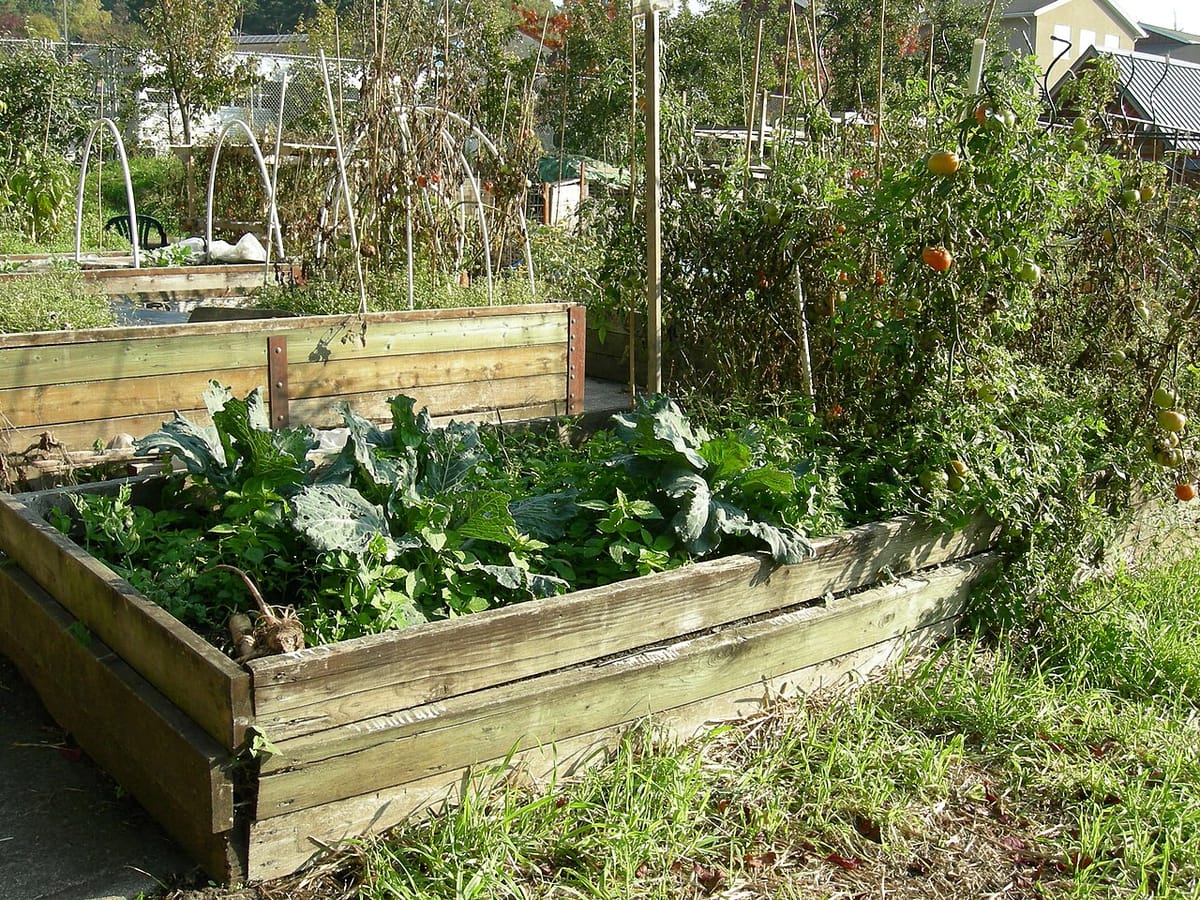
Plant tomatoes in the same bed three years running and something predictable happens: yields creep downward, disease shows up earlier each season, and pests that used to be occasional become routine. None of that is bad luck. Soil-borne pathogens and pest larvae build up specifically where their preferred host plant keeps reappearing, and moving that plant elsewhere breaks the buildup before it becomes a real problem. That’s the entire mechanism behind crop rotation — no spreadsheet or large acreage required, just a notebook and a bit of planning each spring for a garden with as few as three beds.
This guide covers why rotation works, the plant-family groupings that make it manageable, and a simple system sized for the beds most home gardens actually have.
Why rotation works: starving out what’s already in the soil
Many of the most damaging vegetable garden diseases — the fusarium and verticillium wilts that plague tomatoes, several diseases affecting brassicas and cucurbits — are caused by pathogens that live in the soil itself, not just on the plant. These pathogens build up gradually around the specific plant family they infect, since that’s their only food source, and a bed planted with the same family year after year gives them an uninterrupted supply, allowing populations to grow steadily worse each season. Our tomato disease guide covers several of these directly — verticillium and fusarium wilt are the clearest examples of a problem crop rotation exists specifically to prevent.
Move a different, unrelated plant family into that same soil the following year, and the pathogen has nothing to infect — its population declines, sometimes dramatically, over the one to several years it takes most soil-borne pathogens to die off without a host. This is the entire mechanism: no product, no extra labor beyond planning, just denying a pathogen the specific host it needs to keep multiplying.
Some soil-dwelling pests work the same way, particularly ones with a life stage that develops in soil near a specific plant family’s roots — rotation disrupts their cycle in a similar fashion, though it offers less benefit against pests that simply fly in fresh each season regardless of history, like most aphids and many caterpillars, which our pest identification guide covers separately.
The four plant families that matter most
Effective rotation doesn’t require memorizing botanical taxonomy — four family groupings cover the vegetables most likely to carry meaningful soil-borne disease risk in a home garden:
Nightshades (Solanaceae): tomatoes, peppers, eggplant, potatoes. This family carries the most significant rotation-relevant disease risk in most home gardens — the wilts and blights covered in our tomato disease guide affect the whole family, not just tomatoes specifically, so a bed that had diseased tomatoes shouldn’t grow peppers or potatoes the following year either.
Brassicas (Brassicaceae): broccoli, cabbage, cauliflower, kale, Brussels sprouts, radishes, and turnips. Susceptible to several soil-borne diseases including clubroot, a particularly persistent pathogen that can remain viable in soil for many years in severe cases, making brassica rotation especially worthwhile where these crops are grown regularly.
Legumes (Fabaceae): beans and peas. Carry fewer major soil-borne disease concerns than the other three families, but rotation still matters here for a different reason — legumes host nitrogen-fixing bacteria in their roots that enrich the soil, and following them with a nitrogen-hungry crop the next year takes advantage of that free fertility boost.
Cucurbits (Cucurbitaceae): squash, cucumbers, melons, pumpkins, zucchini. Susceptible to several soil-borne diseases and share some pest pressure (like squash vine borers, whose pupae can overwinter in soil near where infested plants grew) that benefits from rotation.
Crops outside these four families — carrots, beets, onions, lettuce, spinach, chard — carry less well-documented soil-borne disease risk specific to rotation, and can be planted more flexibly, though even they benefit somewhat from not occupying the exact same spot indefinitely, since general soil-nutrient depletion and minor pest buildup still apply to some degree across all crops.
Alt: Hand-drawn crop rotation planning chart showing plant families moving between garden beds
Caption: The entire system fits on an index card once the families are grouped.
A simple rotation plan for a four-bed garden
For a garden with four beds (or four clearly divided sections within a larger space), the classic rotation assigns one plant family group per bed and rotates them through in sequence each year:
| Year | Bed 1 | Bed 2 | Bed 3 | Bed 4 |
|---|---|---|---|---|
| 1 | Nightshades | Brassicas | Legumes | Cucurbits |
| 2 | Cucurbits | Nightshades | Brassicas | Legumes |
| 3 | Legumes | Cucurbits | Nightshades | Brassicas |
| 4 | Brassicas | Legumes | Cucurbits | Nightshades |
By year five, the cycle returns to its starting arrangement, having given each bed a full four-year break between repeat plantings of the same family — the window most extension services cite as sufficient for the majority of common soil-borne pathogens to decline substantially. Notice the deliberate sequencing too: legumes (which enrich soil nitrogen) are followed the next year by brassicas or nightshades (both meaningfully nitrogen-hungry), timing the free fertility boost to when it’s actually useful.
Adapting the system to fewer beds
Most home gardens don’t have four neat, equally sized beds, and the system flexes easily:
One bed, divided into sections: Mentally or physically split a single larger bed into three or four sections and rotate what grows in each, following the same family-group logic. This requires slightly more careful mapping (sketch it out each spring rather than relying on memory) but delivers most of the same benefit.
Two or three beds: Prioritize keeping the highest-risk families — nightshades and brassicas, given their more serious documented soil-borne diseases — apart from themselves year to year, even if a perfect four-family rotation isn’t possible with the space available. A simple two-bed alternation (nightshades and cucurbits in bed A one year, brassicas and legumes in bed B, then swapping) still meaningfully outperforms no rotation at all.
Containers: Since container-grown vegetables use fresh potting mix each season rather than reused garden soil, soil-borne disease buildup is far less of a concern, and rotation matters much less for container plantings than for in-ground or raised beds.
Tracking it: the one habit that makes rotation actually happen
The entire system fails quietly if nobody remembers what grew where last year — which is the single most common reason home gardeners abandon rotation after a season or two. The fix is almost embarrassingly simple: keep a basic garden map, even a rough sketch in a notebook or phone note, recording which family grew in which bed each year. Update it at planting time, and check it before finalizing next year’s plan. This single habit, more than any deeper agricultural knowledge, is what separates gardens that actually rotate from gardens that meant to.
What rotation doesn’t fix
It’s worth being honest about the limits. Crop rotation addresses soil-borne disease and some soil-dwelling pest pressure specifically — it does nothing for diseases spread by wind or splashing water regardless of rotation (like the early blight and septoria leaf spot covered in our tomato disease guide, which still require good watering practices and airflow to manage), and it doesn’t address pests that fly in fresh each season. Rotation is one layer in a broader disease-and-pest-prevention system that also includes good soil health, proper watering technique, adequate spacing, and thorough fall cleanup — powerful specifically for what it targets, but not a substitute for the rest of good garden practice.
Getting started this season
If rotation feels like a system to adopt “next year” once things are better organized, the honest starting point is simpler: sketch what’s currently growing where, right now, in whatever rough form takes five minutes. That single map is the seed of every future year’s rotation plan, and the discipline compounds — a garden with three years of rotation history behind it is measurably healthier than one starting from scratch, for the cost of nothing more than an annual five-minute planning session and a notebook you were probably going to buy anyway.
Frequently asked questions
Why does crop rotation matter in a small home garden?
Many soil-borne diseases and some pests build up specifically around the plant family they attack and persist in soil for years, waiting for that family to return. Rotating which family grows where each year starves those pathogens and pests out before they establish, without needing any product or extra equipment — it's the free, structural version of disease prevention.
What are the main plant families I need to know for rotation?
Four cover most home vegetable gardens: nightshades (tomatoes, peppers, eggplant, potatoes), brassicas (broccoli, cabbage, kale, radishes), legumes (beans, peas), and cucurbits (squash, cucumbers, melons). Root and leafy crops outside these families (carrots, beets, lettuce, spinach) rotate more flexibly and matter less for disease-specific rotation, though they still benefit from not repeating in the same spot every year.
How many years should I wait before replanting the same family in a bed?
Three to four years is the standard recommendation from most extension services, since that's roughly how long many common soil-borne pathogens persist without a host to infect. In a small garden with only three or four beds, a strict rotation cycle handles this automatically as long as you track which family went where each year.
What if I only have one raised bed — can I still rotate crops?
Yes, though with less flexibility. Divide the single bed into sections mentally or physically and rotate what grows in each section year to year, or focus rotation specifically on whichever crop had disease problems the previous season, giving that section's family the longest possible break before returning.
Does crop rotation help with pests as well as disease?
For some pests, yes — particularly ones with a soil-dwelling life stage tied to a specific plant family, like certain beetle larvae. It's less effective against pests that fly in each season regardless of what grew there before (aphids, most caterpillars), where rotation offers little direct benefit and other control methods matter more.
Should I rotate flowers and herbs too, or just vegetables?
Rotation matters most for annual vegetables in the four families above, since they're replanted from scratch each year and are the ones with well-documented soil-borne disease risks. Perennial herbs and flowers stay in place by nature, and most annual flowers don't carry the same significant soil-borne disease pressure that would justify moving them.
Do legumes really improve soil for the crop that follows them?
Yes — beans and peas host root bacteria that convert atmospheric nitrogen into a form plants can use, effectively depositing free fertilizer in the soil as they grow. Following a legume bed with a nitrogen-hungry crop like brassicas or leafy greens the next season takes advantage of this real, well-documented benefit.