How to Overseed a Lawn: Step-by-Step for a Thicker, Weed-Resistant Yard
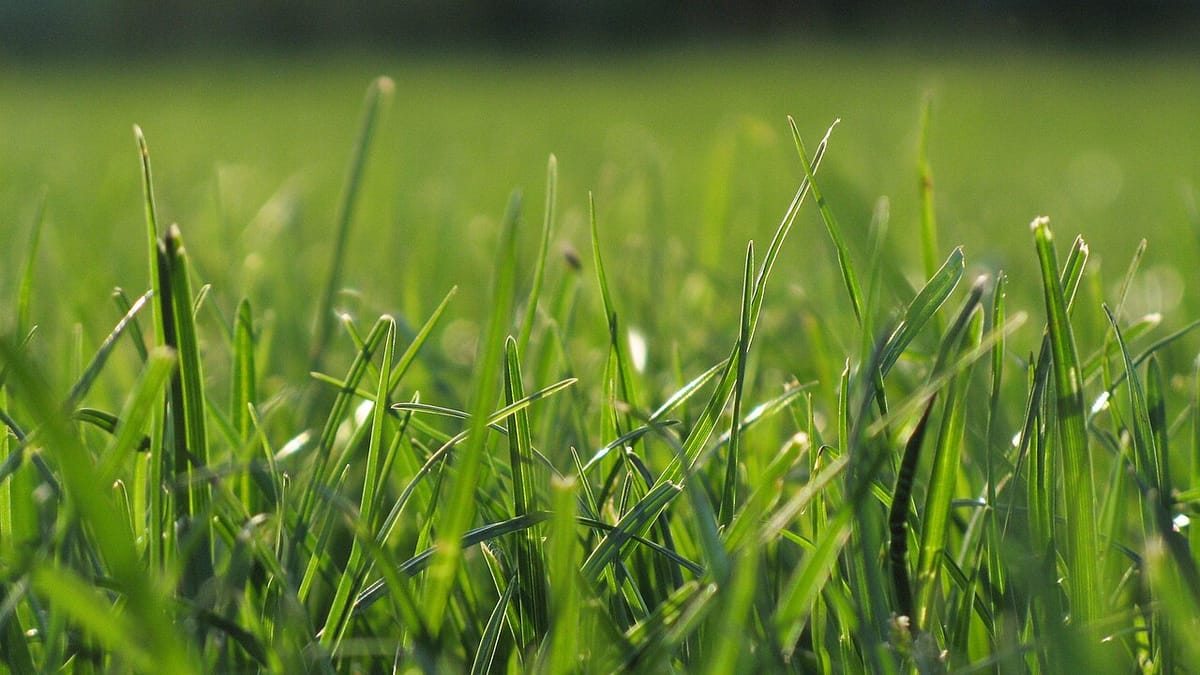
A lawn thins out gradually and almost invisibly — a little more bare dirt showing through each year, a few more dandelions finding room to move in, until one summer you look out and realize the grass you remember is now maybe two-thirds of what’s there. The instinct is to reach for weed killer or more fertilizer, but neither addresses the actual cause: thin turf has empty space, and something will fill it. Overseeding is the direct fix — adding fresh grass seed into the existing lawn to thicken it from within, so weeds simply run out of room to establish.
It’s also the most cost-effective lawn treatment available, often costing less than one round of professional weed control while addressing the root cause that made weeds welcome in the first place. This guide covers the timing that makes or breaks the results, the prep work that gets seed to germinate, and the aftercare that turns scattered seed into a thicker lawn.
Know your grass type first — it decides everything else
Before anything else, identify whether you’re growing a cool-season or warm-season grass, since it flips both the timing and the whole seasonal logic of this guide:
- Cool-season grasses (fescue, Kentucky bluegrass, perennial ryegrass) dominate the northern two-thirds of the US, grow most vigorously in spring and fall, and go semi-dormant in summer heat.
- Warm-season grasses (bermuda, zoysia, St. Augustine, centipede) rule the South, green up late, thrive in summer heat, and go dormant (often brown) through winter.
The same lawn habits covered in our general lawn care guide split along this same line, and overseeding timing is the sharpest place that split matters — get the season wrong for your grass type and seed simply won’t germinate reliably, no matter how well you prep the soil.
Timing: the single biggest factor in success or failure
For cool-season lawns, early fall is overwhelmingly the best window — roughly late August through September across most of the US, adjusted a few weeks earlier or later depending on your USDA zone and local first-frost date. Fall offers the ideal combination: soil is still warm from summer (speeding germination), air temperatures are cooling (which cool-season grass seedlings prefer), weed pressure drops sharply as many weed seeds stop germinating, and there’s typically more reliable rainfall than the stress of summer. New grass gets a full fall and the following spring to establish deep roots before facing its first real summer heat.
Spring overseeding for cool-season lawns is a distant second choice — workable, but new seedlings face weed competition all summer and often struggle through their first heat wave before they’re properly rooted.
For warm-season lawns, late spring through early summer — once the grass is actively growing and soil has warmed well past 65°F — is the right window, the mirror image of the cool-season calendar. Overseeding warm-season grass in fall, right before dormancy, wastes the seed’s best growing window entirely.
Prep the lawn: seed-to-soil contact is everything
New grass seed germinates when it makes direct contact with soil, gets consistent moisture, and receives adequate light — and the most common reason overseeding “doesn’t work” is seed landing on top of thatch or existing grass blades instead of reaching soil. Preparation is entirely about fixing that:
- Mow shorter than usual — about half your normal height — right before overseeding, and bag the clippings this one time (normally you’d mulch clippings back in, but for this job you want them out of the way so seed reaches soil).
- Rake vigorously, or better, core aerate the lawn — a machine (rented, or hired as a service) that pulls small soil plugs, opening up compacted ground and creating thousands of little pockets exactly right for seed to fall into and make contact with soil. Aeration is the single highest-leverage step for lawns showing real thinning or compaction, and it pairs perfectly with overseeding done the same day.
- Address bare or compacted patches specifically — a bit of extra raking or a thin topdressing of compost or quality topsoil on the worst spots gives seed there a genuine head start.
Choosing seed: match to your conditions, not just your existing lawn
Buy a quality seed blend suited to your sun conditions (full sun versus shade-tolerant mixes for areas under trees) and climate, not necessarily an exact match to whatever’s currently growing — this is an opportunity to improve a lawn’s weak points, like overseeding a struggling shady corner with a shade-tolerant fescue blend instead of hoping the existing thin grass finally thickens on its own.
Check the bag for its overseeding rate specifically (usually printed separately from the “new lawn” rate) — typically around half the new-lawn seeding density, since you’re filling gaps in existing turf rather than starting from bare ground. Overseeding too heavily wastes seed and creates unnecessary competition among seedlings; too lightly won’t meaningfully thicken the lawn.
Alt: Core aerator pulling soil plugs from a lawn before overseeding
Caption: Aeration and overseeding on the same day: the combination that thickens a lawn.
Spreading and starter care
Spread seed evenly using a broadcast or drop spreader for larger lawns (far more even than hand-scattering, which tends to clump), following the bag’s overseeding rate. A light raking afterward, or a thin topdressing of compost, improves seed-to-soil contact further without burying seed too deep to sprout.
A starter fertilizer, higher in phosphorus to support root development, applied at seeding time helps new grass establish — this is a reasonable exception to generally lighter fertilizing, and different from the regular nitrogen-focused feeding used on established turf. Skip regular high-nitrogen lawn fertilizer at the same time, since it pushes existing grass into fast top growth that can shade out and outcompete the new seedlings before they get established.
Watering: the phase that decides germination
This is where overseeding most often fails despite good prep. Grass seed needs consistent surface moisture to germinate — not deep, infrequent watering like an established lawn, but frequent, light watering that keeps the top half-inch of soil damp without ever fully drying out:
- First one to two weeks (germination): light watering once or, in hot or windy conditions, twice daily. The soil surface should never be allowed to dry out completely during this window, since a seed that begins germinating and then dries out simply dies rather than pausing and resuming.
- Weeks two to four (establishment): as seedlings emerge and grow, gradually reduce frequency while increasing the amount per watering, encouraging roots to grow deeper in search of moisture rather than staying shallow.
- After the first few mowings: transition to the normal deep-and-infrequent schedule used for established lawns.
Aftercare: patience through the first mowings
Wait to mow until new grass reaches roughly a third taller than your normal cutting height — typically three to four weeks after germination, sometimes longer in cooler conditions. Use a sharp blade for this first cut; new seedlings are shallow-rooted and a dull blade can tear them right out of the ground rather than cutting cleanly, undoing weeks of establishment in one pass.
Keep foot traffic light on newly overseeded areas for the first several weeks — heavy use compacts the loosened soil and can damage still-shallow seedling roots before they’ve had a chance to anchor properly.
Skip herbicide applications on newly overseeded areas for at least a full growing season in most cases (check your specific product’s label), since most weed control products that are safe on established grass will also kill or stunt new grass seedlings.
Why this beats reseeding a bare lawn or reaching for weed control
Overseeding solves the problem weed killer only masks. A lawn thin enough to need herbicide intervention has bare or weak turf that will simply grow new weeds again next season unless something fills that space with grass instead — overseeding is that fill. It’s also dramatically cheaper and less disruptive than tearing out and reseeding an entire lawn from scratch, since it works with the existing healthy grass rather than starting over.
Done in the right season, with real seed-to-soil contact and attentive early watering, overseeding is the closest thing lawn care offers to a genuine reset button — and unlike most quick fixes, its results compound: a thicker lawn this fall means less bare ground for weeds to exploit next spring, which means an even easier overseeding job the following year.
Frequently asked questions
When is the best time to overseed a lawn?
For cool-season grasses (fescue, bluegrass, ryegrass), early fall — roughly late August through September in most of the US — is by far the best window, since warm soil and cooling air favor germination while weed competition drops. Spring is a distant second choice. Warm-season grasses (bermuda, zoysia) overseed best in late spring through early summer, once they're actively growing.
Do I need to remove the old grass before overseeding?
No — overseeding works by adding new seed into the existing lawn, not replacing it. What matters is getting seed-to-soil contact: mowing shorter than usual, raking vigorously or core aerating to expose soil between the existing grass blades, so new seed can reach dirt rather than landing on a thatch layer where it won't germinate.
How much seed do I need to overseed my lawn?
For overseeding an existing lawn (not starting from bare soil), roughly half the rate recommended for a new lawn on the seed bag — typically 4 to 8 pounds per 1,000 square feet depending on grass type. Check your specific seed bag's overseeding rate, since it's usually printed separately from the new-lawn rate.
How often should I water newly overseeded grass?
Lightly but very frequently at first — enough to keep the top half-inch of soil consistently moist, often meaning a light watering once or twice daily for the first one to two weeks until seeds germinate. Once seedlings reach mowing height, transition gradually to the normal deep-and-infrequent watering schedule.
Can I overseed and fertilize at the same time?
A starter fertilizer (higher in phosphorus, which supports root development) applied at overseeding time is genuinely beneficial and commonly recommended. Avoid regular high-nitrogen lawn fertilizer at the same time, since it pushes the existing grass to grow fast and shade out the new seedlings before they establish.
Why did my overseeding not take, even though I watered regularly?
The most common culprits are poor seed-to-soil contact (seed sitting on top of thatch instead of touching soil), seeding too early or late for reliable germination temperatures, or mowing too soon or too short before seedlings had established root systems. Core aeration before seeding and consistent light watering solve most failed attempts on a second try.
How soon can I mow after overseeding?
Wait until new grass reaches about a third taller than your normal mowing height — typically three to four weeks after germination — and use a sharp blade on the first cut to avoid pulling up shallow-rooted seedlings. Mowing too early is one of the most common ways overseeding efforts get set back.