How to Prune Hydrangeas Without Cutting Off Next Year's Flowers
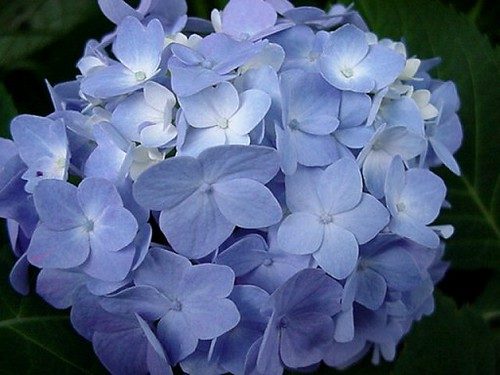
Cut a hydrangea back at the wrong point in the year and you can lose an entire season of flowers on an otherwise perfectly healthy plant — this is the single most common reason an established hydrangea suddenly stops blooming. The confusion isn’t really the gardener’s fault: different hydrangea types need opposite pruning timing, and the two look similar enough that guessing wrong is easy. The fix isn’t complicated once you know which type is actually in the ground.
The core concept: old wood versus new wood
Every hydrangea pruning question comes back to one distinction: does this variety set its flower buds on old wood (stems that grew the previous year) or new wood (stems that grow fresh each spring)?
Old-wood bloomers form their flower buds during the summer or fall of the year before they bloom. Those buds sit dormant on the existing stems through winter, ready to open the following season without needing any new stem growth first. Prune an old-wood bloomer at the wrong time — fall, winter, or early spring — and you cut away stems that already contain next year’s flower buds, resulting in a perfectly healthy plant that simply doesn’t flower that year.
New-wood bloomers form flower buds on stems that grow fresh each spring, meaning the buds don’t exist yet during fall, winter, or early spring pruning — so cutting during that window removes nothing that would have flowered, and the plant simply grows and blooms on the new stems that follow.
This single distinction explains nearly every hydrangea pruning mistake and nearly every pruning success, which makes correctly identifying your hydrangea type the actual first step, well before picking up shears.
Identifying your hydrangea type
Four types cover the large majority of hydrangeas grown in home gardens, and they split cleanly along the old-wood/new-wood line:
- Bigleaf hydrangea (Hydrangea macrophylla), including the classic mophead (large round flower clusters) and lacecap (flat clusters with a ring of larger flowers around a center of smaller ones) forms — old wood. This is the most commonly grown type and the source of most pruning-timing confusion.
- Oakleaf hydrangea (Hydrangea quercifolia), identifiable by its distinctly lobed, oak-shaped leaves and elongated cone-shaped flower clusters — old wood.
- Panicle hydrangea (Hydrangea paniculata), with cone-shaped flower clusters and often grown as a small tree form — new wood.
- Smooth hydrangea (Hydrangea arborescens), including the popular ‘Annabelle’ variety with large round white flower clusters on relatively thin stems — new wood.
If the original plant tag or purchase receipt is still around, it’s the most reliable way to confirm the exact variety. Without it, flower shape (round mophead or flat lacecap suggests bigleaf; distinctly lobed leaves suggest oakleaf; cone-shaped clusters suggest panicle) gets you most of the way to a correct identification.
Pruning bigleaf and oakleaf hydrangeas (old wood)
Since these set next year’s buds during the current summer, the only safe pruning window is right after flowering finishes, typically mid-to-late summer. Pruning in this window gives the plant the rest of the growing season to push new growth and set next year’s flower buds on it before winter dormancy sets in. Remove spent flower heads, shape lightly, and cut out any dead, damaged, or crossing branches — but avoid a hard, dramatic cutback, since old-wood bloomers respond less vigorously to severe pruning than new-wood types do.
Once fall arrives, stop pruning entirely until after the following summer’s bloom — any cutting done in fall, winter, or early spring on these types removes buds that are already formed and dormant, sacrificing that year’s flowers even though the plant itself stays perfectly healthy. This is the single most important rule for anyone growing bigleaf or oakleaf hydrangeas, and it’s worth writing on a garden calendar if the timing tends to slip your mind.
Pruning panicle and smooth hydrangeas (new wood)
Since these bloom on stems that grow fresh each spring, late winter to very early spring, before new growth emerges, is the ideal pruning window — cutting removes no buds, since none have formed yet on the old stems being cut back. This timing also lets you see the plant’s bare structure clearly, which makes shaping decisions easier than pruning through full foliage.
Panicle hydrangeas tolerate fairly aggressive cutbacks — an established plant can be cut back hard, often to within a foot or two of the ground, and still produce a full flush of vigorous new growth and blooms that same season, since all of its flowering happens on wood that hasn’t grown yet at pruning time. Smooth hydrangeas tolerate similarly hard pruning, sometimes cut nearly to the ground each year by gardeners who prefer to control size and encourage the largest possible flower clusters, since ‘Annabelle’ and similar varieties respond to hard pruning with vigorous, floriferous new growth.
The one timing mistake to avoid with new-wood bloomers is pruning once active spring growth is already well underway — at that point you do risk removing developing buds, so the ideal window closes once you see clear new growth emerging.
Reblooming varieties complicate the picture slightly
Newer bigleaf hydrangea varieties bred to “rebloom” — flowering on both old wood and new wood within the same season — have muddied the old-wood-only rule somewhat, since these varieties can produce at least some flowers even after a poorly timed prune, just not as many as an untouched plant would. If your bigleaf hydrangea is a reblooming variety (often marketed under names referencing “endless” or “forever” blooming), you have somewhat more pruning flexibility than a traditional bigleaf type — though sticking to the post-flowering summer window still maximizes bloom potential rather than relying on the reblooming trait to compensate for a mistimed cut.
Why cold winters are the other common cause of no blooms
Pruning timing gets most of the blame for a non-flowering hydrangea, but it isn’t the only cause, particularly for bigleaf hydrangeas grown at the colder edge of their hardiness range. Because bigleaf hydrangeas set their flower buds the previous summer and carry them dormant through winter on old stems, a hard freeze or a late-spring cold snap can kill those already-formed buds even when pruning timing was done perfectly. This is especially common in USDA zones 5 and 6, where winter temperatures regularly dip cold enough to damage exposed bigleaf hydrangea buds, while the plant’s stems and roots survive undamaged and leaf out normally in spring — producing the same frustrating “healthy plant, no flowers” result as a mistimed prune, but from an entirely different cause.
For gardeners in these colder zones, a loose mulch covering or a burlap wrap around the plant’s base and lower stems in late fall, removed once the harshest winter weather has passed, offers meaningful bud protection for bigleaf hydrangeas without requiring the whole plant to be covered. Choosing a more cold-hardy panicle or smooth hydrangea variety instead sidesteps the issue entirely for anyone in a consistently cold-winter climate who’s tired of losing bigleaf blooms to late frost year after year.
Bloom color and soil pH — a separate topic from pruning
A frequent point of confusion sits right alongside pruning timing: bigleaf hydrangea flower color is controlled by soil pH and aluminum availability, not by pruning technique. Acidic soil (roughly pH 5.5 or lower) makes aluminum more available to the plant, producing blue flowers; more alkaline soil (above roughly pH 6.5) locks up aluminum and produces pink flowers, with a range of purple and mixed tones in between. This is specific to bigleaf hydrangeas — white-flowered varieties and most panicle and smooth hydrangeas don’t shift color with soil pH the same way, regardless of soil treatment.
Gardeners looking to shift bloom color toward blue can lower soil pH with garden sulfur or an aluminum sulfate product applied well ahead of the growing season, while raising pH with garden lime shifts toward pink — but this is a soil chemistry project entirely separate from pruning, and no amount of pruning technique changes flower color on its own.
Tools and technique
Clean, sharp bypass pruners handle most hydrangea pruning — the stems are generally not thick enough to need loppers except on old, woody, multi-year growth at the base of a long-neglected plant. Disinfecting blades between plants, with rubbing alcohol or a diluted bleach solution, is a good habit anytime you’re pruning multiple shrubs, since it reduces the chance of spreading any fungal or bacterial issues between plants. Cutting just above a healthy set of buds or a leaf node, at a slight angle, encourages clean healing and directs new growth outward from the cut rather than back into the center of the shrub — the same general pruning-cut principle that applies across most flowering shrubs, not just hydrangeas specifically.
Renovating a badly overgrown, neglected hydrangea
For a bigleaf or oakleaf hydrangea that’s been neglected for years and has grown into a dense, tangled, mostly-woody mass with few flowers, a full renovation is sometimes the more practical path than continuing to work around it with light annual pruning. This means accepting the loss of a bloom season (or more) in exchange for a dramatically healthier plant afterward: cutting the oldest, thickest, least productive stems out entirely at the base, right after that summer’s bloom, while leaving younger, more vigorous stems intact to keep some flowering potential for the following year. Spreading a full renovation across two summers — removing roughly a third to half of the oldest wood each year rather than all of it at once — gives the plant a gentler recovery path than a single drastic cutback, and tends to produce a fuller, more floriferous shrub within two to three years than either leaving it fully neglected or attempting one aggressive all-at-once renovation cut.
When in doubt, prune less
Given how much flower loss hinges on correct timing, a genuinely reasonable default for any gardener unsure of their hydrangea’s exact type is to prune minimally and only right after flowering — removing spent flowers, dead wood, and damaged stems, while holding off on more significant shaping or size-reduction cuts until the type is confirmed. Hydrangeas don’t require aggressive annual pruning to stay healthy; a plant left largely alone for a year or two while you sort out the correct identification and timing loses very little compared to the real risk of guessing wrong and sacrificing an entire season’s blooms on an old-wood type.
Hydrangea pruning confusion is genuinely common enough that it’s one of the most frequent questions university extension services field about flowering shrubs — the good news is that the underlying rule, once understood, is straightforward and permanent. Learn whether your specific hydrangea blooms on old or new wood once, and every future pruning decision follows from that single fact.
Frequently asked questions
Why didn't my hydrangea bloom this year?
Pruning at the wrong time is the single most common cause of a non-blooming hydrangea, particularly for bigleaf and oakleaf types that set their flower buds on old wood the previous summer — cutting them back in fall, winter, or early spring removes those buds before they get the chance to bloom. A hard late frost damaging already-formed buds is the other frequent cause.
How do I know what type of hydrangea I have?
The most reliable way is checking the specific variety name on the original plant tag or receipt, since the four common hydrangea types — bigleaf, panicle, smooth, and oakleaf — look similar enough to confuse visually but need very different pruning timing. If the tag is long gone, flower shape and stem characteristics (described below) narrow it down.
What's the difference between old wood and new wood blooming?
Old wood bloomers set their flower buds on the previous year's stems during the prior summer or fall, meaning those buds are already present and dormant through winter, ready to open the following season without new stem growth. New wood bloomers form flower buds on stems that grow fresh each spring, meaning pruning in late winter or early spring doesn't remove any buds since they haven't formed yet.
When is it safe to prune a bigleaf hydrangea?
Right after flowering finishes in mid-to-late summer is the safe window for bigleaf hydrangeas, since this gives the plant time to set next year's flower buds on the current season's new growth before winter dormancy. Pruning in fall, winter, or spring removes buds that are already formed and dormant, sacrificing that year's blooms.
Can I prune panicle or smooth hydrangeas anytime?
Not quite anytime, but close — panicle and smooth hydrangeas bloom on new wood grown fresh each spring, so pruning in late winter or very early spring, before new growth begins, is the ideal window and doesn't risk any flower loss. Pruning them right when they're actively producing new growth in spring is the one time to avoid, simply to prevent removing developing buds already underway.
How hard can I cut back a panicle hydrangea?
Fairly hard — panicle hydrangeas tolerate a significant late-winter cutback, often to within a foot or two of the ground on an established plant, and still produce a full flush of new-wood blooms that same season. This makes them considerably more forgiving of aggressive pruning than old-wood bloomers like bigleaf hydrangeas.
Do I need to prune my hydrangea every year?
No — hydrangeas don't strictly require annual pruning to stay healthy or bloom, and many gardeners prune only every few years, or simply to remove dead or damaged wood as needed. Annual pruning is more about shaping and size control than a genuine health requirement, so when in doubt about timing, it's safer to prune lightly or skip a year than to guess wrong and lose a season of blooms.