Native Plants for Pollinators: What to Grow and Why It Matters
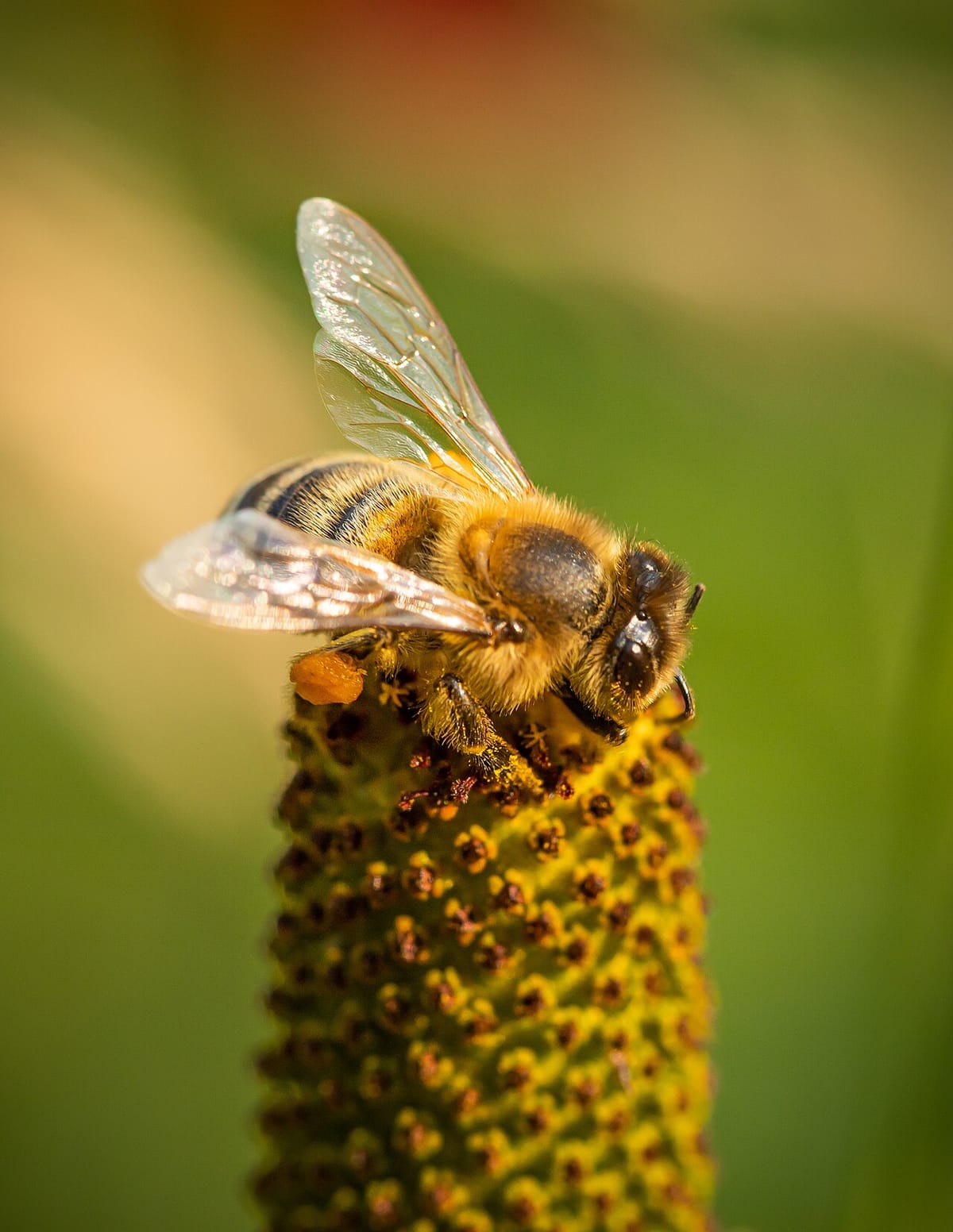
Plant a bed of showy, non-native ornamentals and a garden can still look full and colorful all summer while supporting surprisingly little actual pollinator life — beautiful to look at, nearly empty of the bees, butterflies, and other insects that a garden of native plants, often no more work to maintain, would be humming with instead. This isn’t a small aesthetic difference; it’s the result of specific, sometimes irreplaceable relationships between native pollinators and the native plants they evolved alongside, several of which simply don’t transfer to imported ornamentals no matter how nectar-rich they appear to a human eye.
Why native plants matter specifically, not just “any flowers”
It’s a common and understandable assumption that any flowering plant helps pollinators to some degree — and broadly, flowers do provide some nectar value regardless of origin. But the deeper, more consequential relationships are narrower and more specific than that general assumption suggests. Many pollinator species — particularly specialist native bees and butterfly and moth larvae — have co-evolved with specific native plant species or families over enormous timescales, developing physical or behavioral adaptations tied to those specific plants. A specialist bee may only be able to collect pollen effectively from flowers of a particular shape or chemistry; a butterfly’s caterpillars may be able to eat the foliage of only one plant family, regardless of how many other flowering plants are available nearby.
The monarch butterfly and milkweed is the most well-known example, and it’s instructive precisely because it’s so absolute: monarch caterpillars can eat only milkweed (Asclepias species) — no other plant will do, however much nectar or foliage it offers. A garden full of beautiful, nectar-rich non-native flowers supports adult monarchs passing through for a meal, but does nothing for the species’ actual reproduction without milkweed present specifically. This pattern — a specific plant being required, not just preferred — repeats across many native pollinator relationships, which is why “native” is a meaningfully different and more consequential category than “flowering.”
Getting the region right matters as much as getting native right
“Native to the United States” spans an enormous range of distinct plant communities — a plant native to the Southeast’s humid climate may be poorly adapted to the arid Southwest, and vice versa, even though both would technically qualify as “US native” in a broad sense. Regional accuracy matters more than the broad native label alone. The most reliable sources for regional guidance:
- Regional native plant societies, which typically publish detailed, climate-specific plant lists and often operate specialty nurseries.
- University extension offices, covered throughout this site as a source for horticultural guidance, which frequently publish native plant recommendations specific to their state or region.
- Dedicated native plant nurseries, whose stock is inherently regionally filtered compared to a general garden center, which often carries the same national ornamental selection regardless of local suitability.
Reliable native pollinator plants across much of the US
While region-specific guidance is always the more precise approach, several native perennials are widely distributed, broadly reliable across much of the continental US, and excellent pollinator plants — a solid starting point before narrowing further to local specifics:
Milkweed (Asclepias species) — essential specifically for monarch butterflies, as covered above, with different species suited to different regions (common milkweed, butterfly weed, swamp milkweed, among others).
Purple coneflower (Echinacea purpurea) — a pollinator magnet through its long summer bloom, also covered in our long-blooming perennials guide, and one of the most reliably available native perennials at general nurseries.
Black-eyed Susan (Rudbeckia hirta) — another dependable, widely available native with a long bloom season and strong pollinator draw, tolerant of a broad range of soil and climate conditions.
Bee balm (Monarda species) — a strong draw for both bees and hummingbirds, with a distinctive flower structure well suited to a range of pollinator visitors.
Goldenrod (Solidago species) — an important late-season nectar source, flowering when many other plants have finished for the year, and unfairly blamed for causing hay fever (that’s ragweed, a different, wind-pollinated plant blooming at the same time).
Asters (Symphyotrichum species) — another valuable late-season bloomer, extending the pollinator season into fall alongside goldenrod.
Wild bergamot and native mints — several native mint-family relatives support pollinators well without the aggressive, uncontainable spreading habit of true mint covered in our mint guide, making them a more garden-friendly option for beds where spreading is a real concern.
Alt: Monarch caterpillar feeding on milkweed, its only food source
Caption: Not a preference — a requirement. No milkweed, no monarchs, regardless of what else is blooming nearby.
The cultivar question: straight species versus bred varieties
Plant breeders have developed many ornamental cultivars of native species — bred for showier flowers, different colors, or more compact growth habits than the wild, “straight” species. This raises a genuine consideration for pollinator gardening specifically: some breeding changes, particularly double-flowered varieties bred for larger, showier blooms, can reduce nectar accessibility or pollen production compared to the straight species, since the breeding that adds extra petals sometimes does so at the expense of the reproductive structures pollinators visit for.
This doesn’t mean every cultivar is a poor pollinator choice — many retain good pollinator value alongside their ornamental improvements — but where pollinator support is the specific priority, favoring straight native species, or checking whether a particular cultivar has been evaluated for pollinator performance, is the more reliable approach than assuming any plant labeled with a native species’ name performs identically to the wild original.
Designing a native pollinator bed
A few practical principles beyond plant selection improve a native planting’s pollinator value further:
- Plant in drifts, not singles — a cluster of the same plant is easier for pollinators to find and forage efficiently than the same number of plants scattered as isolated individuals, the same repetition-over-variety principle covered in our general layout guide.
- Sequence bloom times across the season — combining spring, summer, and fall bloomers (goldenrod and asters specifically extend support into autumn, when many other sources have finished) provides continuous forage rather than a single midsummer peak followed by a bare stretch.
- Skip the pesticides, or at minimum avoid broad-spectrum products on or near a pollinator planting entirely — the whole point of the bed is undermined if the plants meant to support pollinator life are simultaneously treated with products that harm the same insects, the same principle covered throughout our pest management guides.
- Leave some bare ground and standing stems, since many native bee species nest in bare soil or hollow plant stems rather than hives — a bed that’s mulched wall-to-wall and cut back completely in fall removes habitat alongside forage, echoed in our fall cleanup guide.
Starting small: one bed, not a whole-yard overhaul
Converting an entire landscape to native plantings is neither necessary nor practical for most gardeners in a single project. A single dedicated bed or border, planted with a handful of reliable regional natives and expanded gradually as you see what thrives, delivers meaningful pollinator support without requiring a wholesale redesign — the same gradual, section-by-section approach covered in our drought-tolerant landscaping guide, since native and drought-tolerant plantings frequently overlap in both plant selection and design philosophy.
The return on a small planting
A modest native pollinator bed — even a single well-chosen border in an otherwise conventional yard — routinely becomes the most visibly alive part of the entire landscape: bees working flowers in numbers a nearby bed of exotic annuals never quite matches, butterflies completing their life cycle rather than just passing through, and a bloom sequence that keeps something in flower from spring through fall. It’s a rare case in gardening where doing less — less water, less fertilizer, less ongoing intervention, once established — produces measurably more life in the space, simply by choosing plants the local ecosystem was already built to use.
Frequently asked questions
Why do native plants attract more pollinators than non-native ornamentals?
Many native pollinator species, particularly specialist bees and butterfly larvae, have co-evolved with specific native plants over thousands of years and are physically or behaviorally adapted to feed on them specifically — some, like the monarch butterfly, can only complete their life cycle on a particular native plant family. Non-native ornamentals, however attractive, often lack the specific traits these specialist relationships depend on.
What is the single most important native plant for monarch butterflies?
Milkweed (Asclepias species) is essential — it's the only plant monarch caterpillars can eat, making it required, not optional, for supporting the monarch life cycle rather than just adult feeding. Several regionally appropriate milkweed species exist across the US, and planting any locally native one directly supports monarch reproduction, not just passing adult butterflies.
Do native plants require less maintenance than non-native ornamentals?
Generally yes, once established — since native plants are adapted to local rainfall, soil, and climate conditions, they typically need less supplemental water, fertilizer, and pest management than non-native ornamentals bred primarily for appearance rather than regional fitness. The first one to two seasons still require normal establishment care, similar to any new planting.
How do I find out which plants are native to my specific area?
Regional native plant societies, university extension offices, and native plant nurseries are the most reliable sources, since 'native to the US' covers an enormous range of distinct regional plant communities. A plant native to the Southeast may not be native to or well-adapted for the Pacific Northwest, so region-specific guidance matters more than a general national list.
Can I mix native plants with non-native ornamentals in the same garden?
Yes — a garden doesn't need to be exclusively native to provide real pollinator value. Incorporating a meaningful proportion of native plants, especially straight species rather than heavily bred cultivars, alongside other plantings still delivers significant pollinator benefit, and this mixed approach is often more practical for gardeners transitioning an existing landscape gradually.
Do native plant cultivars (bred varieties) still support pollinators as well as the straight species?
Not always to the same degree — some breeding changes (especially double-flowered varieties bred for showier blooms) can reduce nectar accessibility or pollen production compared to the straight species. Where pollinator support is the priority, straight native species or minimally altered cultivars are generally the safer choice over heavily double-flowered ornamental breeding.
What's the easiest way to start a native pollinator garden without redoing my whole yard?
Start with a single bed or border, choosing a handful of reliable, widely available native perennials suited to your region and sun conditions, and expand gradually as you see what thrives. Even a modest native planting in an otherwise conventional yard provides meaningfully more pollinator support than the same space in exotic ornamentals or lawn.