Drought-Tolerant Landscaping: How to Cut Water Use Without Losing the Garden
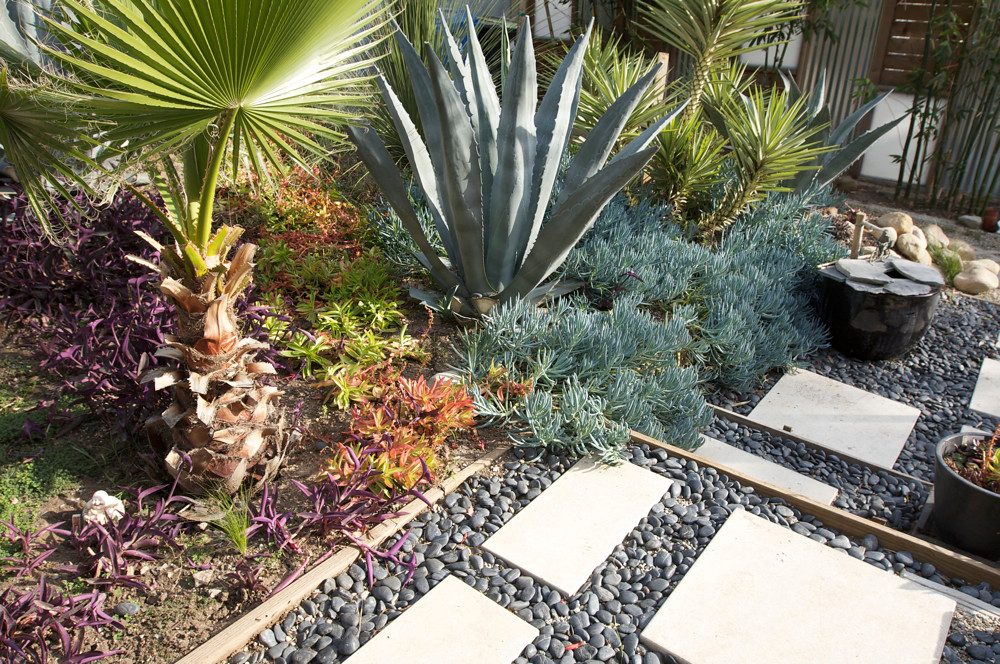
Drought-tolerant landscaping used to carry an image problem — a yard of gravel and a few sad cacti, traded for a water bill. That image is badly out of date. A well-designed drought-tolerant landscape today is often more visually interesting than the lawn it replaced: layered grasses, flowering perennials in real bloom for months, texture and movement a mowed turf lawn never offered — while using a fraction of the water and a fraction of the weekly maintenance. This guide covers the actual design principles behind that shift, not just a plant list.
Why the water savings are so large
Traditional turf lawn is, water-wise, one of the most demanding things a home landscape can grow — shallow-rooted, constantly thirsty, and offering comparatively little ecological or visual return for the water it consumes. Replacing lawn area with plants adapted to lower water conditions, combined with smarter irrigation grouping, is where the bulk of the savings comes from: a well-designed drought-tolerant landscape typically uses 50 to 85 percent less water annually than a comparable turf-heavy yard, a substantial reduction that compounds every year in lower water bills and less time spent watering and mowing.
This doesn’t mean eliminating every green, growing thing — it means being deliberate about where water goes and choosing plants that don’t need constant input to look good.
Start with an honest site assessment
Before choosing a single plant, spend time understanding what your specific yard offers, the same site-mapping approach covered in our garden layout guide applied specifically through a water lens:
- Sun exposure across different parts of the yard, since full sun and shade areas support very different drought-tolerant plant palettes.
- Soil type and drainage — most native and drought-tolerant soils still benefit from some organic matter amendment to improve structure and initial establishment, even though the end goal is a lower-input landscape.
- Natural wet and dry spots, since even a drought-tolerant design needs to account for where water naturally collects after rain versus where it drains away quickly.
- What historically grew in your region before development — local native plant societies and extension offices often have guidance on regionally appropriate plant communities, which tend to be inherently well-adapted to local rainfall patterns without extensive irrigation.
Hydrozoning: the design principle that makes everything else work
Hydrozoning means grouping plants with similar water needs together, in the same bed or irrigation zone, rather than scattering thirsty and drought-tolerant plants throughout a single mixed area. This is arguably the most important design principle in water-wise landscaping, because it’s what lets you water appropriately: a drought-tolerant plant sharing a bed with a thirsty one either gets overwatered (to satisfy its neighbor) or the thirsty plant gets underwatered — hydrozoning eliminates that conflict entirely.
In practice, this means planning distinct zones: a high-water zone near the house for anything that needs regular water (a small kitchen herb bed, perhaps), a moderate zone for plants needing occasional supplemental water, and a low-water zone — often the largest — for fully drought-adapted plantings that, once established, need little beyond natural rainfall.
If irrigation is on a timer or automated system, hydrozoning also means wiring or valving each zone separately, so the system can run different schedules for each rather than applying one uniform watering routine across beds with very different actual needs — a mismatch that’s one of the most common reasons an otherwise well-planted yard still uses far more water than it should.
Alt: Hydrozoning diagram showing garden zones grouped by water need
Caption: Group by thirst, not by looks — the whole water-savings strategy starts here.
Choosing plants: native first, but not exclusively
Native plants are frequently the strongest starting point for drought-tolerant design, since they’re already adapted to local rainfall patterns, soil, and climate without needing the extensive irrigation a non-adapted ornamental would require. Reliable, widely available options across much of the US include purple coneflower, black-eyed Susan, yarrow, and many ornamental grasses — several of which double as excellent long-blooming perennials for a border that also happens to be water-wise.
Non-native drought-tolerant plants — Russian sage, many Mediterranean herbs like rosemary and lavender, and various succulents in warmer climates — round out a palette without requiring an exclusively native planting scheme. The goal is water-appropriateness, not botanical purism; a diverse, well-chosen mix of native and adapted non-native plants generally outperforms a narrower, more restrictive approach.
Buy from reputable native or regionally focused nurseries rather than collecting from the wild, and confirm your USDA hardiness zone matches what a plant is rated for — drought tolerance and cold hardiness are separate properties, and a plant can be perfectly drought-adapted while still being unsuited to your winter temperatures.
Establishment: the water investment that pays off later
Here’s the detail that surprises many first-time drought-tolerant gardeners: most drought-tolerant plants still need real supplemental water during their first one to two growing seasons, before they’re considered established. The point of this initial watering isn’t ongoing maintenance — it’s building the deep root system that will eventually let the plant find its own moisture without help. Water deeply but infrequently during this establishment window, which encourages roots to grow downward in search of water rather than staying shallow, the same principle covered in our general watering guidance applied specifically to a plant’s crucial first seasons.
Skimping on this establishment watering is a common reason drought-tolerant plantings fail in their first year — the plants aren’t inherently fragile, but they haven’t yet built the root systems that make them drought-tolerant in the first place.
A reasonable rule of thumb: plan on tapering supplemental water gradually rather than stopping abruptly at some fixed date. By the end of the second growing season, most well-chosen drought-tolerant perennials should need intervention only during extended dry spells beyond what’s typical for the region — at which point the landscape has essentially graduated from “establishing” to the low-input maintenance phase that’s the whole point of the approach.
Mulch, then mulch some more
A thick layer of mulch — two to three inches, per the material and technique covered in our complete mulching guide — does even more work in a drought-tolerant landscape than in a conventional garden: it dramatically reduces evaporation from already-limited watering, suppresses the weeds that would otherwise compete for scarce soil moisture, and moderates soil temperature swings that stress plants during establishment. In water-wise design, mulch isn’t an optional finishing touch — it’s core infrastructure.
Rethinking hardscape: gravel and rock as a design tool, not a replacement for plants
Gravel paths, decomposed granite seating areas, and rock groupings are common and useful elements in drought-tolerant design — they eliminate water need entirely for the ground they cover, and offer texture and structure that complements plantings well. The mistake worth avoiding is treating hardscape as a wholesale substitute for a planted landscape rather than a complementary element within one: an all-gravel yard with a few scattered specimen plants saves water compared to a full lawn, but sacrifices the pollinator habitat, cooling effect, and visual richness that a well-planted drought-tolerant design offers for comparable water savings. The best results generally balance meaningful hardscape with genuine plant diversity, rather than choosing one extreme or the other.
Converting gradually, section by section
A full-yard conversion from turf lawn to drought-tolerant landscaping is a significant undertaking, and it doesn’t need to happen all at once. A practical approach: start with the sunniest, most water-stressed section of existing lawn — often already the area struggling most under current watering, and therefore the section with the least to lose from conversion. This lets you learn what works in your specific soil, sun, and climate conditions on a manageable scale before committing further sections, and spreads both the cost and physical labor of conversion across multiple seasons rather than one overwhelming project.
What you get beyond the water bill
The water savings are the headline, but a well-executed drought-tolerant landscape delivers real returns beyond the utility bill: dramatically less mowing and associated equipment and fuel costs, generally less fertilizer need (many drought-adapted plants thrive in the leaner soil conditions this style of gardening tends toward), and — often the most visible payoff — a landscape alive with pollinator activity, since native and adapted flowering plants tend to support considerably more bees, butterflies, and other beneficial insects than a mowed turf lawn ever could. What starts as a water-conservation project frequently ends up as the most ecologically active and visually interesting part of the whole yard.
Frequently asked questions
How much water does drought-tolerant landscaping actually save?
A well-designed drought-tolerant landscape typically uses 50 to 85 percent less water annually than a traditional turf-heavy yard, according to water conservation research. The bulk of the savings comes from replacing thirsty lawn area with adapted plants and grouping plants by water need so irrigation isn't wasted on areas that don't need it.
Does drought-tolerant landscaping mean an all-gravel or rock yard?
Not necessarily — while gravel and hardscape are common design elements that reduce lawn area, a genuinely well-designed drought-tolerant landscape usually combines some hardscape with a real diversity of adapted plants, since an all-rock yard sacrifices the pollinator habitat, cooling shade, and visual softness that plants provide, without saving meaningfully more water than a well-planted alternative.
What is hydrozoning and why does it matter?
Hydrozoning means grouping plants with similar water needs together in the same irrigation zone, rather than mixing thirsty and drought-tolerant plants in one bed. This lets you water each zone appropriately — generously where needed, sparingly elsewhere — instead of either underwatering thirsty plants or overwatering drought-tolerant ones to satisfy their neighbors.
Do drought-tolerant plants need any water at all once established?
Most need supplemental water during their first one to two growing seasons while root systems develop, watered deeply but infrequently to encourage roots to grow deep in search of moisture. Once established, many genuinely drought-tolerant and native species need little to no supplemental water beyond normal rainfall in their adapted region, though even drought-tolerant plants benefit from occasional deep watering during extreme, prolonged drought.
What are some reliable drought-tolerant plants for a first attempt?
Purple coneflower, black-eyed Susan, yarrow, Russian sage, and many ornamental grasses are widely available, reliably drought-tolerant across a broad range of climates, and forgiving of the learning curve involved in adjusting to lower-water gardening. Checking with a local native plant nursery for region-specific recommendations improves the odds further.
Is drought-tolerant landscaping cheaper than a traditional lawn in the long run?
Often yes, over time — while initial installation (removing lawn, amending soil, buying plants) carries some upfront cost, the ongoing savings in water bills, mowing equipment and fuel, and fertilizer generally make a mature drought-tolerant landscape less expensive to maintain than a comparable turf lawn within a few years.
Can I convert an existing lawn to drought-tolerant landscaping without starting from scratch?
Yes — a gradual, phased conversion (starting with the sunniest, most water-stressed section of lawn, or an area that's already struggling) is a practical way to make the switch without the cost and disruption of removing an entire yard at once, and it lets you learn what works in your specific conditions before committing further sections.