Common Spring Gardening Mistakes (and How to Avoid Them This Year)
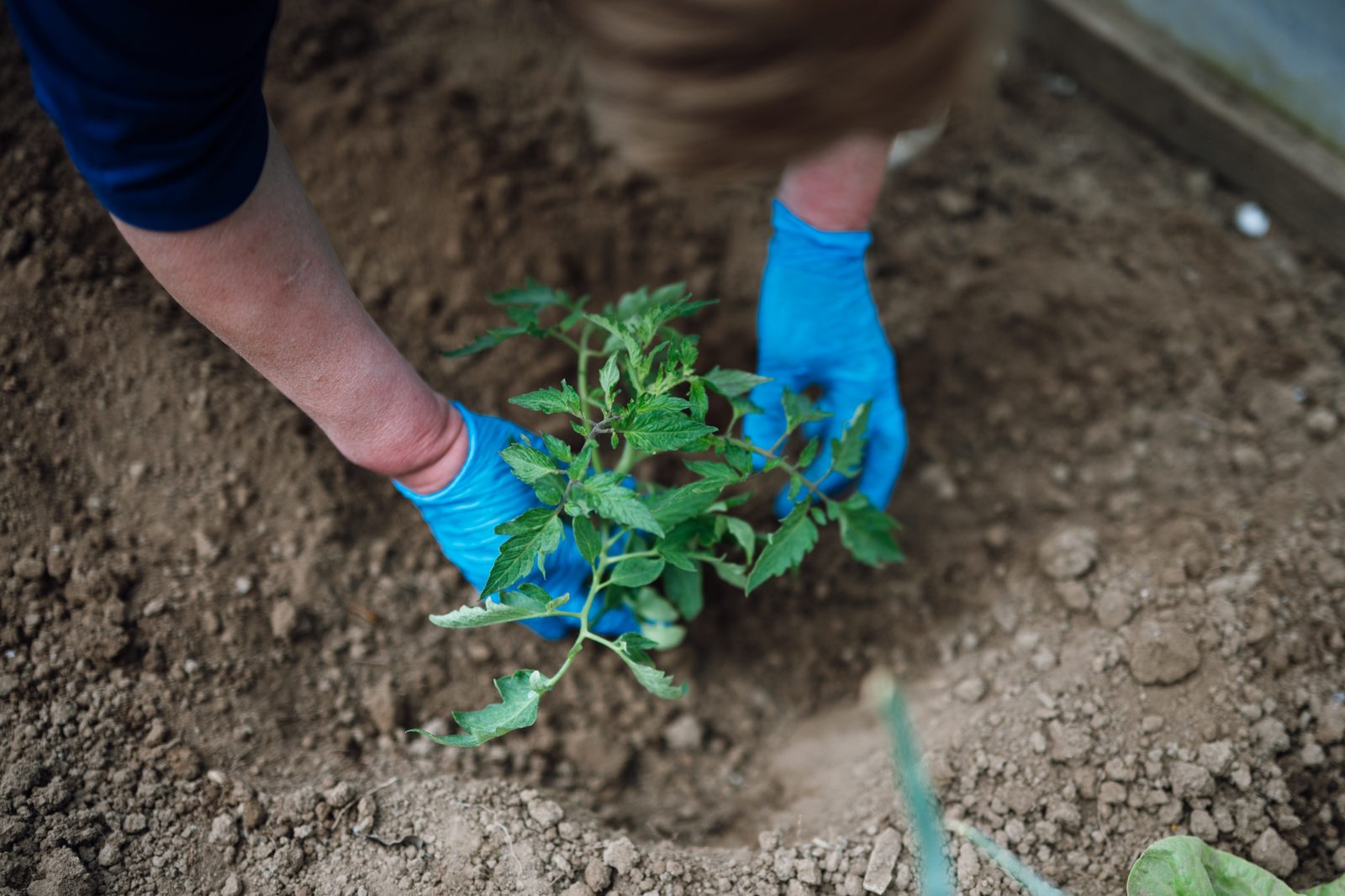
Spring gardening mistakes have a distinct flavor compared to mistakes made the rest of the year: they’re rarely about skill, and almost always about timing. Winter builds up months of pent-up gardening energy, the first warm weekend arrives, and every instinct says go — right when the season itself is saying not yet. The result is a predictable, repeatable set of mistakes that shows up in gardens everywhere every March and April, each one avoidable once you know it’s coming.
Working the soil before it’s ready
The mistake: Digging, tilling, or even walking heavily on garden beds while the soil is still wet from spring rain or snowmelt.
Why it happens: The urge to get outside and do something productive after a long winter is strong, and wet soil often looks perfectly plantable on the surface.
The fix: Use the squeeze test before any bed work — grab a handful of soil and squeeze it into a ball, then poke it. If it holds together in a dense, smeary clump rather than crumbling apart, it’s too wet. Working it anyway compacts the structure into hard clods that can take a full season or longer to recover, undoing years of soil-building in a single afternoon. Wait a few days after rain or thaw and try again.
Planting warm-season crops on the first nice weekend
The mistake: Setting out tomatoes, peppers, basil, and other frost-tender plants the moment the weather turns pleasant, rather than waiting for the actual frost-safe window.
Why it happens: One warm Saturday feels like permission, and garden centers reliably stock tomato transplants weeks before it’s safe to plant them, which reads as an implicit endorsement of the timing.
The fix: Anchor planting decisions to your average last frost date, available from your local extension service, and wait an additional one to two weeks past it for genuine safety margin, since “average” means a real frost still happens roughly half the time. Cold soil stalls warm-season plants so completely that later, correctly timed plantings routinely catch up to and pass ones planted too early — nothing is gained by rushing, and real plants are regularly lost to a late frost by jumping the gun.
Cleaning up too thoroughly, too early
The mistake: Clearing every leaf, stem, and bit of garden debris the moment temperatures turn mild, aiming for a fully tidy bed by early spring.
Why it happens: A tidy garden feels like progress, and last year’s dead growth looks like an obvious first task.
The fix: Many beneficial insects — native bees, lacewings, ladybugs, overwintering butterfly and moth larvae — spend winter tucked inside hollow stems and leaf litter, emerging only once temperatures reliably hold above roughly 50°F. Clearing everything away before that point evicts insects that would otherwise spend the season eating aphids and other pests on your behalf. A gradual cleanup, starting with whatever bed you’re planting first and leaving the rest until temperatures warm, preserves this free pest control rather than discarding it along with the dead leaves.
Alt: Garden bed showing partial spring cleanup with some areas left standing for overwintering insects
Caption: Half tidy, half intentional — the insects sheltering in the untouched half haven't left yet.
Overfeeding in a well-meaning attempt to help plants along
The mistake: Applying a heavy dose of fertilizer to beds or new plantings right at the start of the season, on the assumption that more feeding means a faster, stronger start.
Why it happens: Fertilizing feels like active, helpful gardening — a visible task with an obvious-seeming payoff.
The fix: On soil that already receives an annual compost application, most beds need far less supplemental feeding than the fertilizer aisle suggests. Heavy spring nitrogen in particular pushes soft, fast, leafy growth that’s more attractive to pests and more susceptible to disease, frequently at the expense of the flowers and fruit that growth is supposed to eventually support. A soil test, rather than a default fertilizing routine, tells you what a bed needs.
Buying more plants than the garden has room for
The mistake: Walking into a nursery in the giddy early days of spring and leaving with considerably more seedlings and starts than any planned bed can hold.
Why it happens: Nurseries are stocked at their most tempting exactly when spring planning has usually been loosest, and everything looks small and manageable in a six-pack.
The fix: Decide on bed sizes and rough plant counts before visiting a nursery, and bring a written list. This single habit prevents the extremely common outcome of a dozen tomato seedlings competing for the three spots an actual bed has room for — a mistake that shows up weeks later as a badly overcrowded, underperforming planting rather than at the moment of purchase, which is what makes it so easy to repeat every year.
Mulching too early, before soil has warmed
The mistake: Spreading a thick layer of mulch over beds in the first warm week of spring, aiming to get weed suppression and moisture retention started as early as possible.
Why it happens: Mulching feels like a proactive, responsible task, and a bare bed in early spring looks unfinished compared to a neatly mulched one.
The fix: Mulch insulates whatever temperature the soil already is at the time it’s applied — spread too early, it can trap lingering cold and delay the soil warming that seeds and transplants depend on for good germination and root growth. The better sequence is to let soil warm through the sunniest weeks of spring first, then mulch once warm-season plants are in the ground, which is also when mulch’s water-saving benefits start to matter most anyway.
Skipping hardening off because seedlings look sturdy
The mistake: Moving robust-looking indoor or greenhouse-grown seedlings directly into the garden, assuming their healthy appearance means they’re ready for full outdoor conditions.
Why it happens: A strong, deep-green seedling looks tough, and the full hardening-off process — 7 to 10 days of gradual outdoor acclimation — can feel like an unnecessary extra step for a plant that already looks fine.
The fix: Sturdy indoor appearance says nothing about how a seedling handles real direct sun and wind, since it’s never experienced either. Skipping the gradual acclimation process is one of the most common ways healthy-looking seedlings end up scalded, wind-damaged, or badly set back within their first few days outside — a problem entirely preventable with a process that costs nothing but a week and a half of patience.
The pattern underneath all of these
Look closely at this list and one theme repeats: nearly every common spring mistake comes from moving faster than the season allows, whether that’s digging before soil dries, planting before frost risk passes, cleaning up before insects wake, feeding before it’s needed, buying before beds are planned, mulching before soil warms, or transplanting before seedlings are toughened. Spring compresses a huge amount of gardening excitement into a few short weeks, and nearly every mistake on this list is what happens when that excitement outruns the calendar. The good news is that none of these require more skill to avoid — just a bit of deliberate patience, checked against the actual dates and conditions rather than the weather forecast’s first tempting weekend.
Our full spring garden checklist lays out the correct sequence in detail, timed to your actual last frost date rather than the urge to get started, and it’s worth revisiting each year even for an experienced gardener — the specific dates shift with the weather, but the order these tasks belong in never really does.
Frequently asked questions
What is the most common spring gardening mistake?
Working the soil while it's still wet is arguably the most damaging, since it compacts the soil structure for the rest of the season and is easy to do without realizing it. Planting warm-season crops too early is the most common in terms of sheer frequency, since spring's first warm weekend tempts nearly every gardener before the real danger of frost has passed.
How do I know if my soil is too wet to work?
Squeeze a handful of soil into a ball, then poke it. If it stays in a dense, muddy clump or smears rather than crumbling apart, it's too wet to dig, till, or plant into. Working wet soil creates hard clods that can take a full season or longer to break back down, undoing structure that took years to build.
Why shouldn't I plant tomatoes as soon as it feels warm outside?
A few warm days don't mean frost risk has passed, and even without a frost, cold soil stalls warm-season plants so completely that a plant set out a few weeks 'late' often outgrows one planted too early. The safer marker is your average last frost date plus roughly one to two weeks, not the first stretch of pleasant weather.
Is it a mistake to clean up all the dead leaves and stems in early spring?
Doing it too early and too thoroughly can be — many beneficial insects, including native bees and butterfly larvae, overwinter in hollow stems and leaf litter and emerge only once temperatures reliably hold above roughly 50°F. Clearing everything away in March, before that threshold, removes habitat for insects that would otherwise help control pests all season.
How much fertilizer should I apply in spring?
Less than most gardeners assume, especially on soil that already gets an annual compost application. Heavy spring fertilizing, particularly high-nitrogen products, pushes fast, soft, leafy growth that's more attractive to pests and more vulnerable to disease, often at the expense of the flowers and fruit gardeners are actually hoping for.
What's the fix for buying too many plants in spring?
Deciding on bed sizes and plant counts before visiting a nursery, and bringing a written list, prevents the impulse overbuying that leaves gardeners with more seedlings than beds — a genuinely common spring pattern, since nurseries are at their most tempting exactly when planning has usually been loosest.
Should I skip hardening off seedlings if they look sturdy already?
No — sturdy appearance indoors doesn't predict how a seedling handles real outdoor sun and wind, since it's never experienced either. Skipping the 7-to-10-day hardening off process is one of the most common ways strong-looking indoor seedlings get scalded or damaged within their first days outside, regardless of how healthy they looked beforehand.