How to Harden Off Seedlings: The 7-10 Day Process That Prevents Transplant Shock
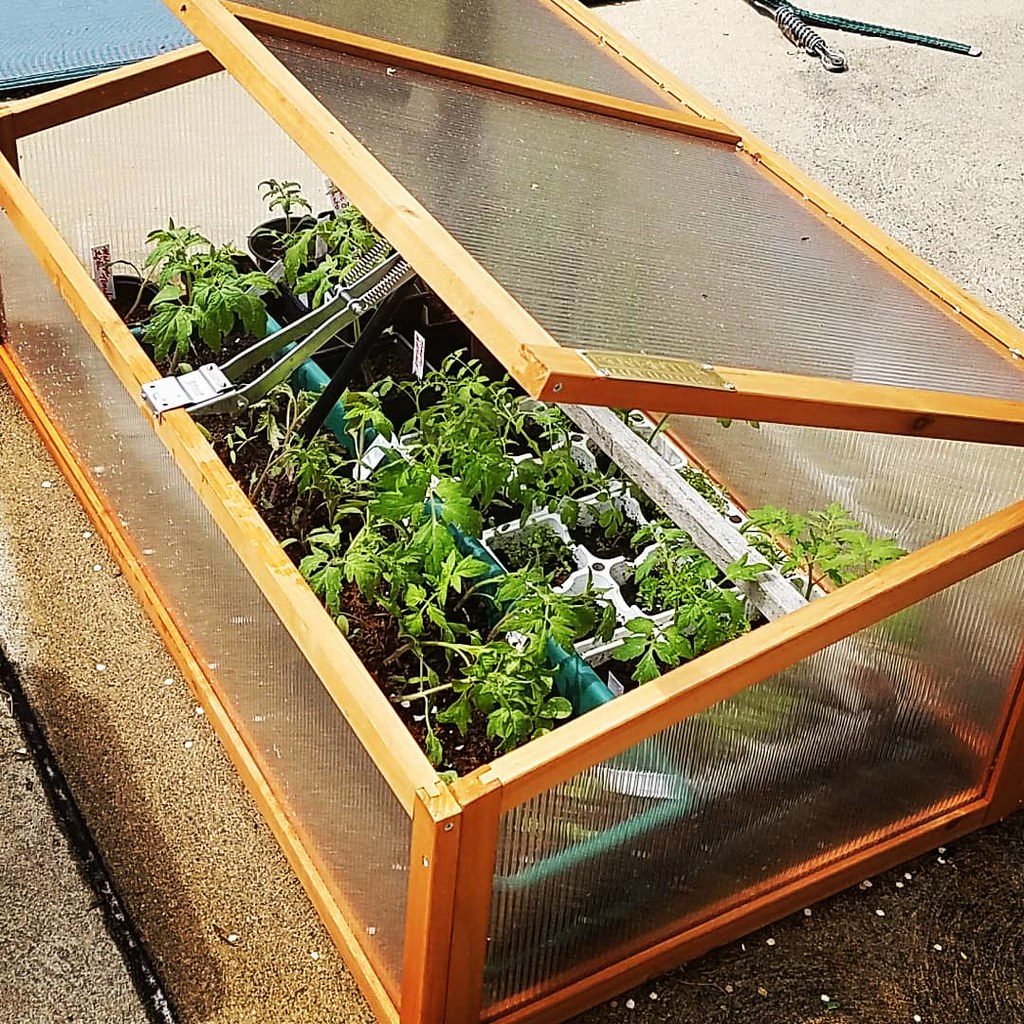
Of every step in raising seedlings from seed to garden, hardening off is the one most likely to get skipped — it feels like a formality standing between weeks of careful indoor nurturing and the satisfying moment of finally planting outside. Skip it, though, and that satisfying moment often turns into a rescue mission within twenty-four hours: leaves bleached white from unfiltered sun, seedlings snapped or shredded by wind they’ve never encountered, or a plant simply wilted flat by an environment its entire life so far had no preparation for. Hardening off is boring, necessary, and takes about a week and a half — this guide walks through exactly how to do it right.
Why indoor seedlings can’t go straight outside
A seedling grown under a grow light or on a windowsill has spent its entire life in a controlled, filtered, still environment: light passed through glass or delivered by an artificial source at a fixed distance, air that never moves beyond the occasional breeze from an HVAC vent, and temperatures held in the narrow comfortable range of a house. Moving that seedling directly into a garden bed exposes it, all at once, to unfiltered direct sun (many times more intense than anything it’s experienced), real wind (which it has no structural adaptation to resist), and daily temperature swings far wider than any indoor room sees.
The result is a cluster of related stresses collectively called transplant shock: sunscald (white, bleached, or crispy patches on leaves from sudden intense UV exposure), wind damage (torn, shredded, or snapped stems and leaves), and general wilting as the plant’s whole system struggles to adjust simultaneously to every changed condition at once. Hardening off solves this by introducing each stress gradually, giving the seedling time to build real physiological defenses — a thicker, more UV-resistant leaf cuticle, and stronger, wind-toughened stem tissue — before facing full outdoor conditions.
The 7-10 day schedule
Days 1-2: One to two hours outside, in full shade, sheltered from wind — a covered porch or the shady side of a building works well. Bring seedlings back inside afterward. This introduces outdoor air and temperature without yet exposing them to direct sun or serious wind.
Days 3-5: Extend outdoor time to two to four hours, and introduce brief morning sun — the gentlest part of the day’s light. Continue bringing seedlings indoors overnight.
Days 6-8: Move toward half-days outside, gradually increasing direct sun exposure and reducing the degree of shelter from wind. If nighttime temperatures are reliably staying above about 50°F, seedlings can begin staying outside overnight during this stretch, weather permitting.
Days 9-10: Full days in the seedlings’ eventual planting conditions — full sun, normal wind exposure — with overnight outdoor stays now standard, again assuming temperatures support it. By the end of this stretch, seedlings have experienced close to the full range of conditions they’ll face once transplanted.
Transplant on day 10 or shortly after, ideally choosing a cloudy, calm day or the cooler part of an evening for the actual move into the ground, which minimizes additional stress on top of the transplanting process itself.
A simplified version for gardeners short on time
The full 7-10 day schedule is the reliable default, but a shortened version can work reasonably well for naturally tougher seedlings (many brassicas, and other cold-hardy crops) or in a pinch: a firm minimum of 4-5 days, front-loaded with more shade and less wind exposure early, and the sunniest, windiest conditions saved for the final day or two rather than spread evenly across the shortened schedule. This compressed version carries real added risk compared to the full process — it’s a compromise for time-constrained situations, not a recommended default, and tender seedlings (most flowers, tomatoes, peppers) should still get the full schedule wherever the calendar allows it.
Hardening off containers and window boxes, not just individual seedlings
The same principle applies to any plant moving from an indoor or greenhouse environment to permanent outdoor placement, not just individual seedlings destined for garden beds. A container garden assembled from nursery-bought plants that spent their life in a shaded greenhouse benefits from the same several-day acclimation before being placed in its permanent sunny spot, and skipping this step is a common reason newly purchased container plants look scorched or stressed within days of being brought home, even though they were never raised indoors by the gardener personally.
Alt: Ten-day hardening off schedule showing gradually increasing sun exposure
Caption: Ten days, four stages, zero shortcuts that don't eventually show up as sunscald.
Watching the weather throughout the process
Start the schedule on a mild, overcast, relatively calm day if possible — day one shouldn’t also be the seedlings’ first encounter with harsh sun or strong wind, since that combination undoes much of the gentle-introduction purpose of the whole process. Save the sunniest and windiest conditions for later in the schedule, once some tolerance has built up.
A cold snap or storm during the process is a reasonable excuse to pause, not restart from scratch. Bring seedlings back indoors or into a sheltered garage for the duration of severe weather, then resume roughly where the schedule left off once conditions improve. Only a long interruption — well over a week — would warrant returning to the gentler early days of the process rather than picking back up mid-schedule.
Watering during the transition
Seedlings in small pots, suddenly exposed to real outdoor sun and wind for the first time, dry out considerably faster than they did on an indoor shelf — this is one of the most commonly underestimated parts of hardening off. Check soil moisture at least daily throughout the process (more often during the sunnier, windier later days), since a seedling that wilts from drought stress during hardening off is dealing with an additional, avoidable setback layered on top of the acclimation it’s already managing. Grouping trays together in a shallow tote or tray during the outdoor hours makes this daily check faster and helps catch a drying-out tray before any individual pot gets missed.
Why rushing the schedule backfires
It’s tempting, especially with a long stretch of good spring weather, to compress the process into three or four days instead of the full 7 to 10. The risk in doing so is that the seedling hasn’t had time to build the actual physiological adaptations — thicker cuticle, tougher stem tissue — that make full outdoor exposure survivable, meaning the later, harsher days of a compressed schedule can still cause real sunscald or wind damage even though some acclimation occurred. The extra few days of the full schedule cost very little in a spring planting timeline and meaningfully reduce this risk; there’s rarely a good reason to rush it when the alternative is restarting damaged seedlings from scratch.
Special notes for particularly tender or particularly tough seedlings
Particularly tender seedlings — many flowers, and any seedling that already looked stressed or leggy indoors (see our guide to leggy seedlings if that’s a factor) — benefit from an even more gradual schedule, erring toward the longer end of the 7-10 day range and introducing full sun more cautiously.
Naturally tougher seedlings — many brassicas and other cold-hardy crops — can sometimes handle a slightly faster schedule, particularly regarding cold tolerance, since these species are often more forgiving of temperature swings even if they still need the same gradual introduction to sun intensity and wind.
The payoff
Hardening off is unglamorous, adds a week and a half to the timeline between “seedlings look ready” and “seedlings are in the ground,” and produces no visible daily progress worth photographing. What it does produce is a transplant that goes into the garden with real, built-in resilience — able to handle its first sunny, windy day without the shock that undoes weeks of careful indoor growing in a single afternoon. Paired with the full seed-starting timeline that gets seedlings to this point in good shape to begin with, hardening off is the quiet final step that determines whether all that earlier effort pays off in the ground.
Frequently asked questions
What happens if I skip hardening off seedlings?
Indoor-grown seedlings have never experienced direct sun, wind, or outdoor temperature swings, and moving them straight into the garden typically causes sunscald (white or bleached patches on leaves), wind damage, and significant transplant shock — setbacks that can take weeks to recover from, or in severe cases, kill the seedling outright.
How long does hardening off take?
Typically 7 to 10 days, gradually increasing outdoor exposure time and light intensity each day. Rushing the process in 2 or 3 days usually isn't enough time for seedlings to build the protective adaptations (thicker leaf cuticle, stronger stems) that make the transition to full outdoor conditions successful.
Can I harden off seedlings faster than 7 days if the weather is mild?
It's possible to compress the schedule slightly in consistently mild, overcast conditions, but rushing significantly increases the risk of sunscald or wind damage, especially on the first few days. When in doubt, the full 7 to 10 days is the safer default, and the cost of a few extra days is far lower than the cost of restarting damaged or killed seedlings.
Do all seedlings need to be hardened off, or just some?
Any seedling started indoors under grow lights or on a windowsill needs hardening off before permanent outdoor planting, regardless of species — the process is about acclimating the plant to direct sun, wind, and temperature swings, none of which indoor conditions replicate, whatever is being grown.
What's the best weather for starting the hardening off process?
A mild, overcast, relatively calm day is ideal for day one, since it introduces seedlings to outdoor conditions without the added stress of intense direct sun or strong wind on their first exposure. Save the sunniest, windiest days for later in the schedule, once seedlings have built up some tolerance.
Should I water seedlings differently during hardening off?
Check soil moisture more frequently than the indoor routine required — small pots exposed to real outdoor sun and wind for the first time dry out considerably faster than they did on an indoor windowsill or shelf, and missing a watering during this vulnerable transition period can undo the acclimation progress.
What if a cold snap or storm arrives during the hardening off period?
Bring seedlings back indoors or into a sheltered spot like a garage for the duration of severe weather, then resume the schedule roughly where it left off once conditions improve. A brief pause doesn't undo the acclimation already achieved, though a very long interruption may warrant restarting the early, gentler days of the process.