Why Are My Seedlings Leggy? Causes and How to Fix It
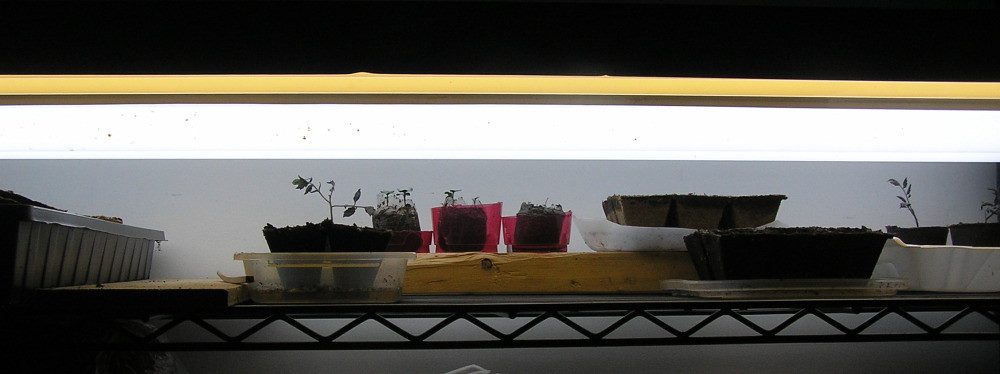
Every seed-starting season produces the same worried question, usually accompanied by a photo of tomato or pepper seedlings that look nothing like the stocky little plants on the seed packet: tall, thin, pale stems, leaning dramatically toward the nearest window, leaves spaced out like rungs on a very sparse ladder. This is legginess, and it’s one of the most common and most fixable problems in indoor seed starting — almost always traceable to one culprit, with a handful of reliable fixes depending on how far along the damage already is.
What legginess is
A leggy seedling is a plant executing a specific, sensible survival strategy: stretching toward the strongest available light source, a response called etiolation. When light is insufficient, a seedling redirects its limited energy into rapid stem elongation rather than building the thick, sturdy tissue and closely spaced leaves that would develop under strong light. The stem grows tall and thin, often pale rather than deep green, and leans visibly toward whatever light exists, whether that’s a window or a light source positioned too far away.
It’s not a disease, a nutrient problem, or a sign of a bad seed — it’s a light problem, nearly every single time, and recognizing that immediately narrows the fix to one clear target.
Why it happens: the windowsill myth
The most common cause, by a wide margin, is insufficient light intensity — and the most common reason for insufficient light is relying on a windowsill, even a bright, south-facing one. Late-winter window light, filtered through glass and limited by short day length and a low sun angle, delivers only a fraction of the light intensity seedlings receive outdoors in actual spring or summer sun. Seedlings grown this way stretch toward the glass, reaching for light that simply isn’t strong enough no matter how sunny the room looks to the human eye.
Overcrowding compounds the problem — seedlings sown too densely in a tray shade each other, and each plant stretches to compete for whatever light is reaching the tray, worsening the same stretching response even under otherwise decent light conditions.
Excess heat without matching light can accelerate the issue further — warm temperatures speed up a seedling’s overall growth rate, and if light intensity doesn’t scale up to match that faster growth, the plant’s stem elongation outpaces its ability to build sturdy supporting tissue.
The fix for light: get seedlings under real supplemental lighting
The most effective correction — and the one that prevents legginess from developing in future seed-starting rounds — is an inexpensive LED shop light positioned close to the seedlings: 2 to 4 inches above the leaf tops, raised as the plants grow to maintain that distance, run on a timer for 14 to 16 hours a day. This single setup change, detailed fully in our seed-starting timing guide, does more to prevent legginess than any other single intervention, and it costs less than a flat of nursery-grown replacement seedlings.
If seedlings are already showing early stretching, moving them under corrected light immediately stops further elongation — new growth coming in under adequate light will be visibly more compact than the stretched growth already present, even though the existing leggy stem section won’t shorten back down on its own.
Alt: LED grow light positioned close above compact seedlings to prevent legginess
Caption: A few inches of distance is the entire difference between stocky and stretched.
Salvaging seedlings that are already leggy
What can be done next depends heavily on the specific plant:
Tomatoes and a few other vine-forming crops tolerate deep planting exceptionally well — since tomato stems grow roots anywhere they’re buried in soil, a leggy tomato seedling can be planted with most of its stretched stem buried horizontally in a trench or vertically deep in the hole, leaving only the top leaf cluster above ground. This is covered in more detail in our tomato growing guide, and it turns a cosmetic problem into a non-issue — the buried stem section develops a stronger root system than the seedling would have had otherwise.
Peppers and eggplant tolerate somewhat deeper planting than their nursery-pot depth, though not as dramatically as tomatoes — burying an inch or two of the lower stem is reasonable, but attempting a tomato-style deep burial risks stem rot in these species, since they don’t root along buried stem sections the same way.
Most other seedlings — flowers, brassicas, cucurbits, herbs — don’t root readily from a buried stem and are better handled by transplanting at the same depth they were growing, with a small stake or support if the stem is too weak to stand upright on its own, and simply accepting some cosmetic legginess while ensuring all subsequent growth develops under corrected light.
Thinning: preventing legginess from crowding
If overcrowding is contributing to the stretching, thin the tray — snip extra seedlings at soil level with small scissors rather than pulling them, which can disturb the root systems of the seedlings you’re keeping. Proper spacing (per the seed packet’s thinning guidance) reduces the light competition driving the stretch and gives remaining seedlings room to develop the compact form corrected light alone might not fully achieve in an overcrowded tray.
A quick way to tell legginess apart from a sick seedling
Beginners sometimes worry that a tall, thin seedling is diseased rather than simply light-starved. A few checks distinguish the two: a leggy seedling is usually pale but not spotted or discolored — the stem is thin and the leaves may be a lighter green than ideal, but there’s no yellowing pattern, no lesions, and no wilting from dry soil. If a seedling is both stretched and showing spots, a yellowing pattern between veins, or collapsing at the soil line, something else — nutrient deficiency, damping off, or another problem — is likely also at play alongside or instead of simple legginess, and is worth investigating separately using the same soil-and-pattern diagnostic approach covered in our houseplant yellowing guide, which applies just as well to seedling troubleshooting.
Catching it before it becomes severe
The earliest sign of developing legginess is visible before a seedling looks dramatically stretched: watch the spacing between successive sets of leaves on new growth. Tight, close spacing indicates the plant is getting adequate light; new growth appearing progressively further apart on the stem is an early warning that stretching has begun, well before the whole plant looks obviously leggy. Catching this stage and moving the tray under stronger, closer light immediately prevents the more severe stretching that’s harder to correct later, especially in plants that don’t tolerate the deep-planting fix.
Prevention for next season
The complete prevention checklist, most of which traces back to the light setup covered in our seed-starting guide:
- Supplemental LED lighting, positioned 2 to 4 inches above seedlings and raised as they grow, run 14 to 16 hours daily — this alone prevents the overwhelming majority of legginess cases.
- Adequate spacing from the start, or prompt thinning once true leaves appear, to eliminate competition-driven stretching.
- Moderate room temperature rather than excessive warmth, particularly once seeds have germinated and the priority shifts from speed to building sturdy growth.
- A small fan run on low a few hours daily, which — beyond discouraging fungal problems — physically flexes seedling stems in a way that’s been shown to encourage thicker, sturdier growth, similar to how outdoor wind toughens plants naturally.
The reassuring bottom line
Legginess looks alarming — a tray of pale, floppy, leaning seedlings can seem like a failed batch — but it’s one of the most correctable problems in home seed starting. Identify it as a light issue (it almost always is), move seedlings under closer, stronger supplemental lighting immediately, and either compensate with deep planting where the plant allows it or simply accept minor cosmetic legginess on species that don’t. Most leggy seedlings, once corrected, go on to grow into perfectly productive plants — the stretch is a symptom of a fixable environment, not a verdict on the seed or the gardener.
Frequently asked questions
What does it mean when a seedling is leggy?
A leggy seedling has an unusually long, thin, pale stem with leaves spaced far apart, rather than a short, thick, compact stem with leaves close together. It's the plant's stretching response to insufficient light, reaching upward in search of a stronger source rather than building sturdy tissue.
Can leggy seedlings be saved?
Often yes, depending on the plant and how severe the stretching is. Tomatoes and a few other vine-forming crops can be planted deeper (burying much of the leggy stem, which then grows roots along its buried length) to compensate. Many other seedlings can't be buried this way and are better transplanted carefully with extra support, or simply grown on under corrected light going forward.
How close should a grow light be to seedlings?
For standard LED shop lights, typically 2 to 4 inches above the tops of the seedlings, raised as they grow to maintain that distance. Most windowsills, even sunny ones, provide only a fraction of the light intensity seedlings need in late winter, which is why supplemental lighting placed this close makes such a dramatic difference.
Does legginess affect how a plant produces later in the season?
It can, particularly for plants that don't get the benefit of deep planting to compensate. A seedling that spent its early energy stretching for light rather than building a sturdy root and stem system may establish more slowly after transplanting and can be more vulnerable to wind damage or flopping until it catches up.
Is legginess caused by anything besides insufficient light?
Light is the dominant cause, but overcrowding (seedlings competing for light and space in a densely sown tray) and excessive heat without matching light intensity can also contribute. Warm temperatures alone tend to accelerate stretching if light isn't strong enough to match that faster growth rate.
Should I thin overcrowded seedlings to prevent legginess?
Yes — thinning crowded seedlings (snipping the weaker ones at soil level rather than pulling, which can disturb neighboring roots) reduces the competition for light that contributes to stretching, and gives the remaining seedlings the space and light access they need to grow stockier.
How do I know if my seedlings are getting enough light before they turn leggy?
Watch the space between leaf sets on new growth — tight, close spacing indicates adequate light, while new growth spaced increasingly further apart is an early warning sign of stretching, often visible before the plant looks dramatically leggy. Catching this early and moving lights closer prevents the more severe stretching that's harder to correct later.