Why Are My Houseplant Leaves Turning Yellow? A Diagnostic Guide
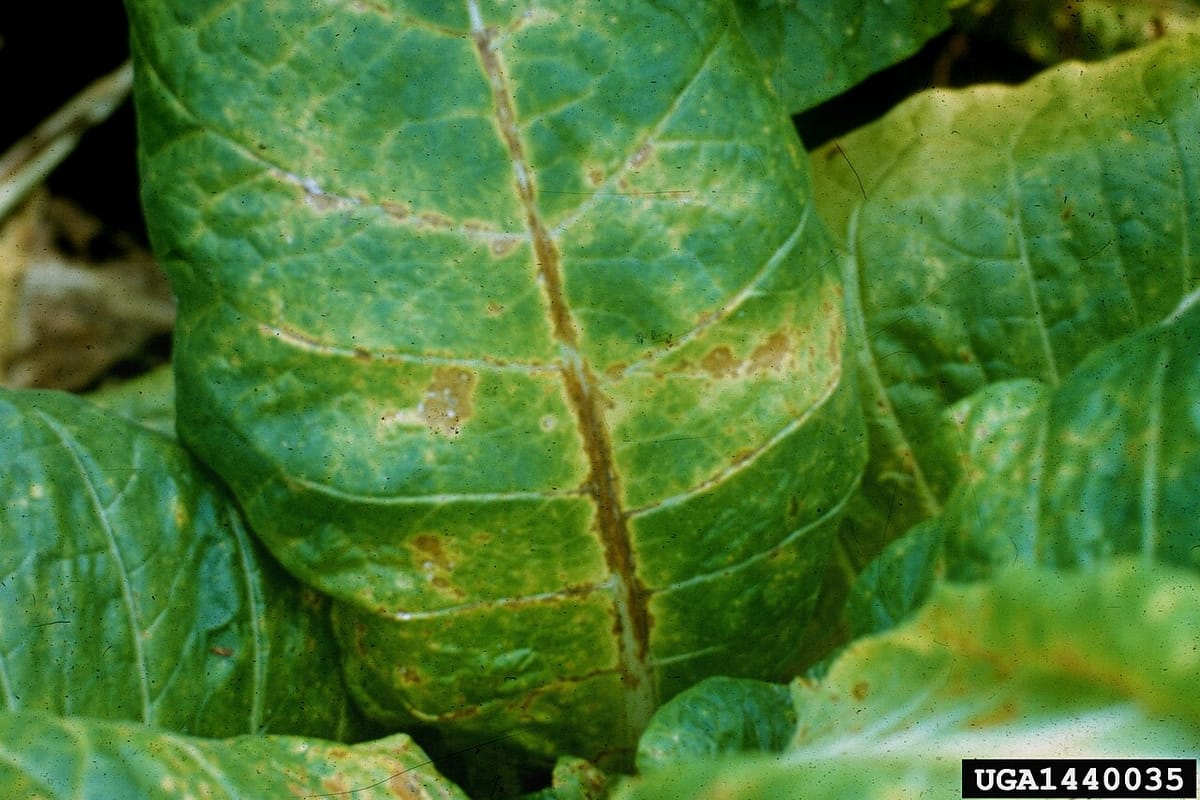
A yellow leaf is the houseplant world’s most ambiguous symptom. Search for it and you’ll find a dozen confident, contradictory answers — it’s thirst, it’s drowning, it’s sun, it’s hunger, it’s just old age — and a worried plant owner trying all four in sequence, which is how a mildly stressed plant becomes a damaged one. The truth is that yellowing has real, distinguishable causes, and the plant is already telling you which one through details most people skip past: which leaves are yellowing, what shape the yellowing takes, and what else is going on with the soil.
This guide is built as a diagnostic, not a list. Work through it in order — the questions get more specific as you go — and you’ll land on the actual cause instead of guessing your way through a stressed plant’s patience.
Start here: check the soil before anything else
Before reading a single leaf, do the one universal test: push a finger two inches into the soil. This single check eliminates or confirms the two most common causes before you’ve done anything else.
- Wet and heavy → overwatering is the leading suspect.
- Bone dry, pulling from the pot’s edges → underwatering.
- Normal moisture, neither extreme → the cause is elsewhere: light, nutrients, pests, or natural aging — read on.
This is worth doing every time, because the visual symptoms of overwatering and underwatering are confusingly similar (both yellow, both can droop), while the soil never lies. Our complete watering system is worth bookmarking alongside this guide — most yellowing traces back to water, one way or another.
Pattern 1: Scattered yellow leaves, wet soil → overwatering
What it looks like: Yellowing appears somewhat randomly across the plant — not confined to old growth or new — often starting as a general pale, washed-out green before going fully yellow. Leaves may feel soft or limp rather than crispy. Soil stays wet for days after watering. In advanced cases, the base of the stem is soft, dark, or smells sour.
Why it happens: Roots need oxygen from air pockets in the soil as much as they need water. Constantly saturated soil collapses those pockets, roots suffocate, and suffocating roots begin to rot — a rotting root system can’t move water or nutrients up to the leaves, so the plant yellows and wilts despite being overwatered. It’s the cruelest irony in houseplant care: the plant looks thirsty while drowning, which prompts more water and finishes the job.
The fix: Stop watering immediately and let the soil dry out fully — further than you’d normally let it. If the pot has no drainage hole, that’s the root cause and needs fixing permanently. If the base of the stem is soft or the roots (checked by sliding the plant out of its pot) are brown and mushy rather than white or tan, trim the rot with clean scissors and repot into fresh, barely damp mix. Go easier on watering going forward, using the finger-test system instead of a fixed schedule.
Pattern 2: Yellow with crispy brown edges, dry soil → underwatering
What it looks like: Yellowing that starts at leaf tips and edges, often with a crisp, papery texture rather than soft, sometimes curling inward. Soil is dry throughout, and the pot may feel noticeably light. The plant likely also looks droopy or deflated.
Why it happens: Straightforward — the plant is rationing water to its most vital tissue and sacrificing the rest. Underwatered plants are almost always the easier fix of the two, since the damage typically stops the moment water is restored, unlike root rot’s lingering aftermath.
The fix: Water thoroughly until it runs from the drainage holes, then return to a regular check-in schedule. If the soil has dried so completely that water races straight through without soaking in (a common sign: water pooling on the surface or running down the inside of the pot), the mix has gone hydrophobic — bottom-water for 20–30 minutes instead to force full rehydration.
Pattern 3: Uniform yellowing on old, lower leaves only → natural aging
What it looks like: One leaf at a time, always among the oldest and lowest on the plant, turning uniformly yellow (sometimes with a slight pattern) over a week or two, while new growth stays green and healthy. It happens occasionally — every few weeks to a couple of months — not as a sudden wave.
Why it happens: Leaves aren’t permanent. Every leaf eventually costs more in upkeep than it earns in photosynthesis (especially older, lower leaves that get less light as the plant grows taller or bushier), and the plant retires it deliberately, often redirecting the leaf’s remaining nutrients back into the stem first. This is completely normal and, on an otherwise healthy plant, nothing to fix.
The fix: None needed. Snip the yellow leaf off at its base once it’s clearly on its way out — this tidies the plant and removes a spot pests could exploit, but it’s cosmetic, not corrective.
Pattern 4: Yellowing with green veins → nutrient deficiency
What it looks like: The leaf tissue yellows while the veins stay distinctly green, giving a marbled or net-like appearance — this pattern is called interveinal chlorosis and points to a shortage of iron, magnesium, or manganese, nutrients the plant needs in smaller amounts but still needs. Alternatively, uniform pale-yellow older leaves plus stunted, small, pale new growth suggests straightforward nitrogen hunger.
Why it happens: Houseplants live in a finite volume of soil with no natural nutrient replenishment, and standard potting mix runs out of available nutrients within a few months. Frequent watering (which is otherwise good practice) accelerates the depletion by flushing nutrients out the drainage holes.
The fix: A half-strength balanced liquid houseplant fertilizer every two to four weeks during the growing season (spring through early fall) prevents this from developing. If it’s already showing, resume feeding at that same modest rate — correcting a deficiency happens gradually over several weeks, not overnight, and overcorrecting with a heavy dose risks burning already-stressed roots.
Alt: Houseplant leaf with green veins and yellow tissue between them showing nutrient deficiency
Caption: Green veins on a yellow leaf point to hunger, not thirst.
Pattern 5: Yellow-white patches on the sun-facing side only → too much direct light
What it looks like: Bleached, pale yellow, or white patches concentrated on the side of the plant facing the window, especially in plants suited to bright indirect light rather than direct sun (pothos, philodendron, calathea, most ferns). The affected tissue often feels dry, thin, or crispy compared to the rest of the leaf.
Why it happens: Direct sun through glass is far more intense than these plants evolved to handle, and it literally bleaches chlorophyll out of the exposed tissue — a form of leaf sunburn.
The fix: Move the plant a few feet back from the window, or add a sheer curtain to diffuse the light. The damaged patches won’t recover, but new growth will be fine once the light exposure is corrected. Our low-light houseplant guide covers the plants that specifically prefer this gentler end of the light spectrum.
Pattern 6: Sudden yellowing right after a big change → shock
What it looks like: A wave of yellowing (sometimes with dropping) that starts within days of repotting, moving to a new location, a big temperature swing, or a draft from a newly opened window or vent — on a plant that was otherwise fine before the event.
Why it happens: Roots disturbed during repotting need time to reestablish their working relationship with the surrounding soil, and during that window, the top growth is temporarily outpacing what the roots can support — the same mismatch discussed in our pothos and snake plant care guides. Sudden environmental changes (a big move, a cold draft, a heater vent) stress the plant similarly.
The fix: Patience, mostly. Keep the plant out of direct sun, water conservatively (a stressed root system can’t use much anyway), skip fertilizer until new growth appears, and give it two to four weeks before judging the outcome. Most plants recover fully; a permanent new home away from drafts and vents prevents a repeat.
Pattern 7: Yellowing plus visible pests or sticky residue → infestation
What it looks like: Yellow stippling or speckling (tiny pale dots rather than solid yellow patches), sometimes with fine webbing (spider mites), sticky residue on leaves or the surface below (aphids, mealybugs, scale), or visible tiny insects on close inspection — check the undersides of leaves, where most pests prefer to hide.
Why it happens: Sap-sucking pests drain chlorophyll-rich cell contents directly from leaf tissue, and a heavy infestation shows up as widespread stippled yellowing before any individual insect becomes obvious to the naked eye.
The fix: Confirm with a magnifying glass or phone camera zoomed in on the leaf underside, then treat with the same gentle-escalation approach used outdoors — a strong shower rinse first, insecticidal soap or diluted neem oil if it persists, repeated weekly until clear. The full pest-control ladder built for garden aphids applies just as well indoors.
The one-page diagnostic
| Yellowing looks like… | Soil is… | Likely cause |
|---|---|---|
| Scattered, soft, random | Wet, heavy | Overwatering |
| Edges crispy, tip-first | Dry, light | Underwatering |
| One old lower leaf at a time | Normal | Natural aging — ignore |
| Green veins, yellow between | Normal | Nutrient deficiency |
| Bleached patches, one side only | Normal | Too much direct sun |
| Sudden wave after a change | Normal or drying out | Transplant/environmental shock |
| Stippled with sticky residue or webbing | Normal | Pests |
Run through this table before treating anything, because the two most common fixes — water more, water less — are opposites, and applying the wrong one doesn’t just fail to help; it actively worsens the actual problem. A yellow leaf is data, not a crisis. Read it carefully, treat the pattern it’s showing you, and most houseplants recover within a few weeks — often looking better than they did before the scare.
Frequently asked questions
Is it normal for a few houseplant leaves to turn yellow?
Yes — a single old, lower leaf yellowing and dropping every month or two is normal turnover, the plant's way of retiring leaves that have paid for themselves in sunlight. Worry when it's several leaves at once, new growth, or a sudden wave rather than a slow trickle.
Does yellow always mean overwatering?
It's the most common cause, but not the only one. Overwatering usually yellows leaves at random across the plant with soil that stays wet; underwatering yellows with crispy edges and dry soil; light and nutrient problems have their own distinct patterns covered in this guide. The soil and the pattern of yellowing, together, are the real diagnosis — not the color alone.
Why are the yellow leaves always on the bottom of my plant?
Bottom-up yellowing that stays confined to the oldest, lowest leaves while new growth stays green is usually natural aging or mild, chronic underfeeding — both low-urgency. Bottom-up yellowing that's fast and includes soft or mushy leaves is more often overwatering, since gravity pools excess water at the base.
Can too much direct sun turn leaves yellow?
Yes, especially on plants suited to indirect light (pothos, philodendron, calathea) — this shows as pale, bleached, or yellow-white patches on the sun-facing side only, often with dry, crispy texture, not uniform yellowing across the whole leaf.
Should I remove yellow leaves or leave them on the plant?
Remove them. A yellow leaf has stopped photosynthesizing effectively and won't turn green again, so it's pure cost to the plant with no benefit — and it can mask early signs of pests or disease. Snip at the base with clean scissors rather than pulling, which can tear surrounding healthy tissue.
Why did my plant turn yellow right after I repotted it?
Transplant shock — disturbed roots temporarily can't keep pace with the top growth's demands, especially if the new pot is much bigger (which also holds water longer than roots can use). It usually resolves in two to four weeks with reduced watering and no fertilizer; keep the plant out of direct sun during recovery.
How do I know if yellow leaves mean my plant needs fertilizer?
Nutrient-deficiency yellowing tends to appear as a pattern within the leaf — veins staying green while the tissue between them yellows (common with iron or magnesium shortage), or older leaves yellowing uniformly while new growth stays small and pale (nitrogen). It's most likely if the plant hasn't been fed in six months or more and other causes (water, light) check out fine.