How to Grow Garlic: Plant in Fall, Harvest Next Summer
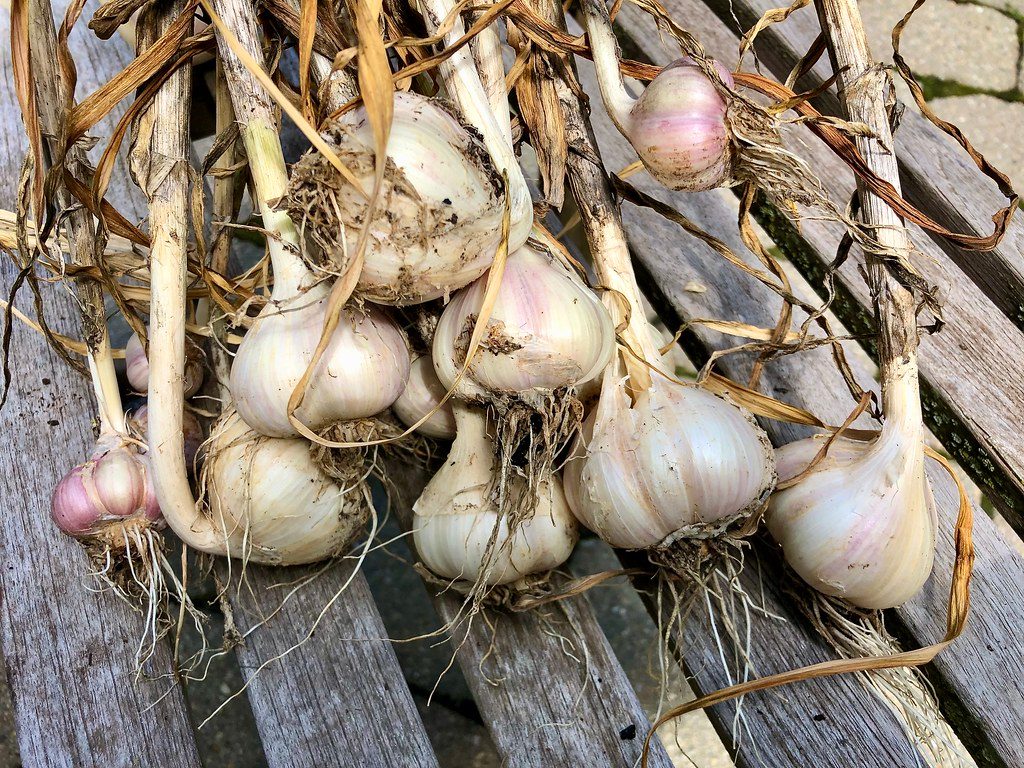
Garlic runs on a calendar unlike almost anything else in the vegetable garden: planted in fall, largely ignored through winter, and harvested the following summer — a nine-month relationship for a crop that asks for maybe an hour of actual hands-on effort across that entire span. It’s one of the more forgiving, patience-rewarding crops a beginner can grow, and one of the few where the planting season (fall) catches most new gardeners by surprise, since nearly everything else in a first vegetable garden goes in during spring.
Hardneck versus softneck: the first real decision
Hardneck garlic produces a stiff central flower stalk called a scape, generally offers larger and easier-to-peel cloves with more complex, often spicier flavor, and handles cold winters better than softneck types — making it the standard choice across colder northern growing regions.
Softneck garlic lacks the central stalk, produces smaller but more numerous cloves per bulb, stores considerably longer than hardneck varieties, and is the type most commonly seen braided in markets. It generally performs better in milder winter climates, though many gardeners in moderate zones successfully grow either type.
Choosing based on your climate and storage priorities (longer storage favors softneck; easier peeling and bolder flavor favor hardneck) is more useful than a strict rule, and gardeners in truly mixed or moderate climates often grow both to compare results.
Buy seed garlic, not grocery store garlic
Seed garlic — sold specifically for planting through nurseries and seed suppliers — is strongly preferable to grabbing a bulb from the grocery store produce aisle. Grocery store garlic is frequently treated with a sprout inhibitor that can delay or prevent proper growth, and it may carry diseases or simply be a variety poorly suited to your specific climate, since grocery garlic is selected for shelf appearance and shipping, not regional growing performance. Seed garlic costs modestly more but reliably outperforms the grocery-aisle shortcut.
Planting: depth, spacing, and timing
Plant in fall, typically four to six weeks before the ground freezes — often around October in much of the US, adjusted earlier in colder regions and later in milder ones. This timing gives cloves enough time to establish roots before winter dormancy sets in, without pushing much above-ground growth that would be vulnerable to hard freezes.
- Break bulbs into individual cloves just before planting, keeping each clove’s papery wrapper intact.
- Plant each clove pointed end up, about 2 inches deep, spaced roughly 4 to 6 inches apart in rows about a foot apart. Planting upside down delays emergence and weakens growth, so double-checking orientation before covering each clove is worth the extra care.
- Mulch generously — several inches of straw or shredded leaves, per our mulching guide — to insulate the bed through winter and suppress weeds that would otherwise compete with garlic’s relatively slow, narrow foliage in spring.
Site selection matters more for garlic than for many quick-turnaround crops, since the bed will be occupied for the better part of a year. Choose full sun and, ideally, a spot not needed for anything else until the following summer’s harvest — garlic’s slow, unhurried growth habit means it pairs poorly with impatience about reusing that same square footage for a spring crop in the meantime. Rotating garlic to a different bed each year, following the same crop rotation logic used for other alliums and their relatives, helps avoid the soil-borne disease buildup that can affect repeated plantings in the same spot.
Alt: Hand planting a garlic clove pointed end up in a fall garden bed
Caption: Point up, two inches deep, mulched heavy — and then largely forgotten until spring.
What happens over winter and spring
Garlic cloves put down roots in fall, largely pause visible growth through the coldest winter months, and resume active growth as soil warms in early spring — one of the earliest vegetables to show green growth in many gardens, often appearing well before most spring-planted crops even go in the ground. Through spring, garlic mostly takes care of itself: keep the bed weeded (since garlic’s narrow leaves compete poorly with aggressive weeds) and water during dry stretches, particularly as bulbs begin sizing up through late spring and early summer.
Scapes: an early-summer harvest bonus
Hardneck varieties send up a curling flower stalk called a scape in early summer, well before the main bulb harvest. Removing scapes once they curl (rather than letting them straighten and flower) redirects the plant’s energy from seed production into bulb development, typically producing larger bulbs at harvest. Scapes themselves are a genuine culinary bonus — tender, mildly garlicky, and excellent chopped into the same dishes as regular garlic, effectively an early bonus harvest before the main event.
Harvesting at the right moment
Garlic is ready to harvest when the lower one-third to one-half of the leaves have yellowed and browned while the upper leaves remain green — typically early to mid-summer, depending on planting time and regional climate. This timing window matters more than it might seem: harvesting too early produces small, underdeveloped bulbs that haven’t finished sizing up, while waiting too long past this point risks the bulb’s protective outer wrapper splitting open underground, which shortens storage life considerably.
Dig gently with a garden fork rather than pulling by the stem, which can separate the stem from the bulb and leave it behind in the soil.
Curing and storage: the step that determines how long it keeps
Curing is the often-skipped step that determines whether garlic stores for months or spoils within weeks. Immediately after harvest, do not wash the bulbs — simply brush off loose soil and hang or lay the whole plants (stems, roots, and all) in a warm, dry, well-ventilated, shaded space for two to four weeks, until the outer skins are fully dry and papery.
Once cured, trim the roots and stems (leaving an inch or so of stem if planning to braid softneck varieties), and store the bulbs in a cool, dry, dark location with good airflow — a mesh bag or open basket works better than a sealed container, which traps moisture and encourages rot. Properly cured and stored garlic keeps for several months to nearly a year, depending on variety, with softneck types generally outlasting hardneck.
Saving your own seed garlic for next year
One of garlic’s most economical features: set aside your largest, healthiest bulbs from each harvest specifically for replanting rather than buying new seed garlic every fall. Since garlic essentially clones itself through its cloves, a good harvest becomes next year’s entire planting stock at no additional cost — a self-perpetuating cycle that, once established, makes garlic one of the more cost-effective crops in a savings-focused vegetable garden, needing only the original seed garlic purchase to sustain indefinitely.
Over several years of this rolling replant cycle, gardeners in a specific region often notice their garlic performing progressively better — the strain gradually adapts to local soil and climate conditions through this repeated selection of the strongest bulbs, essentially becoming a small, informally selected local variety unique to that garden.
The appeal of a crop that mostly runs itself
Garlic’s real charm for a home gardener is how little it demands across its unusually long season — plant once in fall, mulch, mostly ignore it through winter, weed occasionally in spring, harvest scapes as a bonus, then dig, cure, and store a bulb that can outlast almost anything else in the vegetable garden on the shelf. For a crop asking so little ongoing attention, the payoff — a full season’s supply of garlic, self-renewing from year to year — is disproportionately generous, and it’s hard to find another vegetable that rewards patience quite this efficiently.
Frequently asked questions
When should I plant garlic?
Fall, typically four to six weeks before the ground freezes — often October in much of the US, though timing shifts earlier in colder regions and later in milder ones. This gives cloves time to establish roots before winter dormancy, setting up strong growth once the ground warms again in spring.
What's the difference between hardneck and softneck garlic?
Hardneck garlic produces a stiff central flower stalk (scape), tends to have larger, easier-to-peel cloves and more complex flavor, and generally handles cold winters better, making it the common choice in colder northern climates. Softneck garlic lacks the central stalk, produces smaller and more numerous cloves, stores considerably longer, and is the type most commonly sold braided, making it well suited to milder climates.
How deep should garlic cloves be planted?
About 2 inches deep, pointed end up, spaced roughly 4 to 6 inches apart in rows about a foot apart. Planting the correct end up matters — the pointed tip is where the shoot emerges, and cloves planted upside down take longer to emerge and produce weaker growth.
Should I use grocery store garlic to plant, or buy seed garlic?
Seed garlic from a nursery or seed supplier is strongly preferred over grocery store garlic, which is often treated with a sprout inhibitor and may carry diseases not suited to your local growing conditions or climate. Seed garlic is also typically selected for size and vigor in a way grocery store bulbs aren't.
What is a garlic scape, and should I remove it?
A scape is the curling flower stalk that hardneck garlic varieties send up in early summer. Removing scapes once they curl (rather than letting them straighten and flower) redirects the plant's energy into bulb development rather than seed production, typically resulting in larger bulbs — and scapes themselves are a genuine, tasty harvest, excellent in the same dishes as regular garlic.
How do I know when garlic is ready to harvest?
When the lower one-third to one-half of the leaves have yellowed and browned while the upper leaves remain green, typically in early to mid-summer depending on when it was planted and your climate. Harvesting too early produces small, underdeveloped bulbs; waiting too long past this point risks the bulb's protective wrapper splitting open in the soil.
How should I cure and store garlic after harvest?
Cure harvested bulbs (with stems and roots still attached, unwashed) in a warm, dry, well-ventilated, shaded spot for two to four weeks until the outer skins are fully dry and papery. After curing, trim roots and stems, and store in a cool, dry, dark place with good airflow — properly cured garlic stores for several months to nearly a year depending on variety.