Monstera Plant Care: Light, Water, and Getting Those Famous Leaf Splits
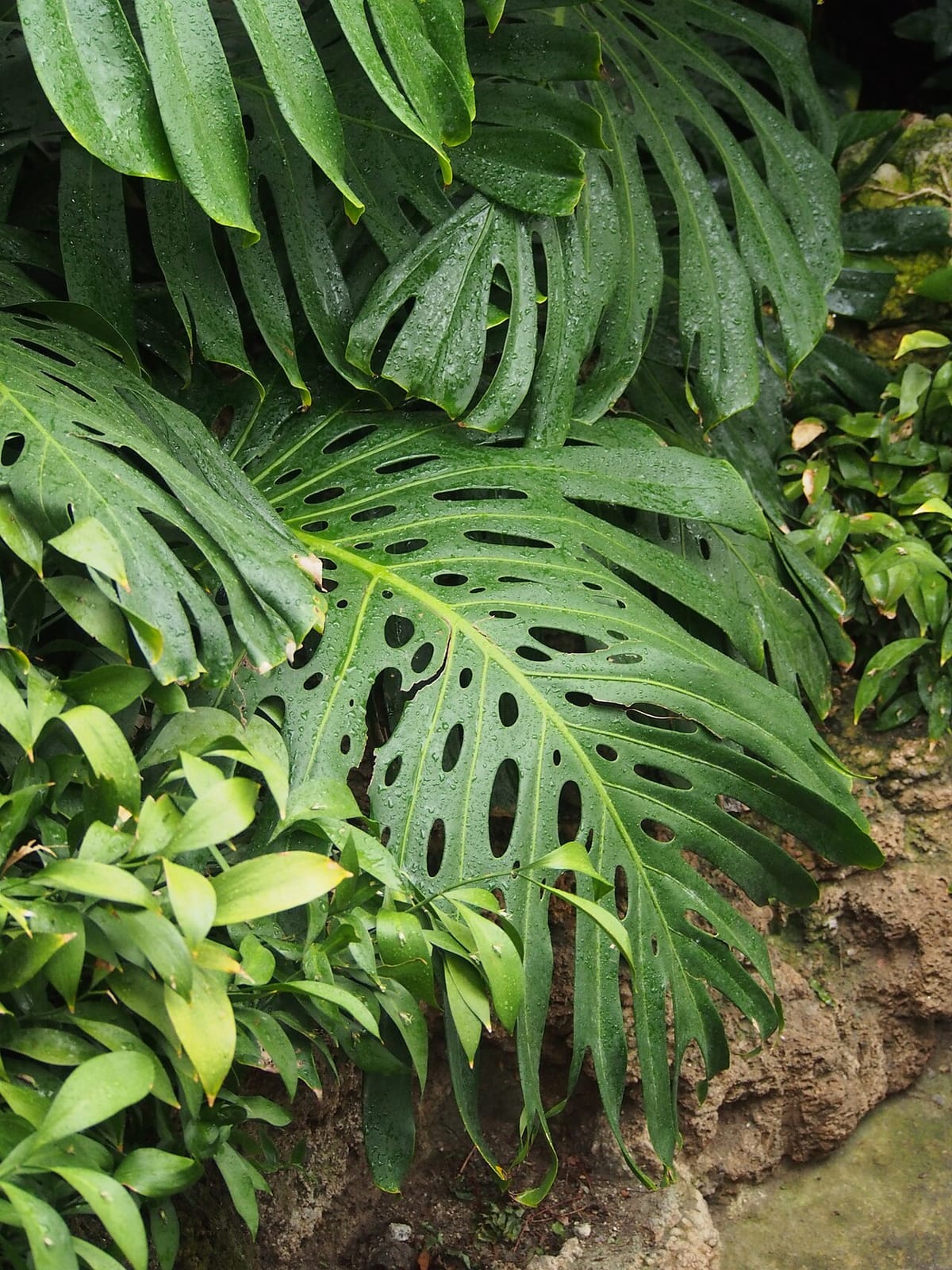
Few houseplants have become as visually iconic as the monstera, largely thanks to one specific feature: the deep splits and oval holes (called fenestrations) that develop in its large, glossy leaves as it matures. It’s also one of the most commonly misunderstood houseplants, precisely because of that feature — plenty of owners assume something is wrong when their monstera’s leaves stay solid and unsplit for months or years, not realizing that fenestration is a maturity trait driven heavily by one controllable factor: light.
Understanding fenestration: why young leaves stay solid
Monstera deliciosa doesn’t produce split leaves from the start. Young plants consistently produce solid, heart-shaped, unsplit leaves, regardless of how well they’re otherwise cared for — this is a normal developmental stage, not a sign of poor care. The dramatic splits and holes associated with mature monstera only begin appearing once the plant reaches a certain level of maturity, and light intensity is the single biggest factor determining how quickly that maturity, and the fenestration that comes with it, arrives.
A monstera kept for years in dim or moderate light can remain in its juvenile, solid-leaf stage well past the point where a brighter-grown plant would already be producing dramatically split foliage. This single fact resolves the most common monstera complaint — “why doesn’t my plant look like the ones online?” — more often than any other single piece of advice.
Light: the lever that controls leaf appearance, not just growth rate
Bright, indirect light is the target for monstera — a position a few feet back from a bright east or south-facing window, or filtered light through a sheer curtain in a stronger window, both work well. Direct, hot midday sun should generally be avoided, since it can scorch the glossy leaves, but monstera tolerates considerably more light than many other popular aroid houseplants before scorching becomes a concern.
In lower light, a monstera survives and even grows, but noticeably slower, and — critically — is far more likely to stay in its unfenestrated juvenile leaf form indefinitely. For anyone specifically hoping for the dramatic split-leaf look the plant is known for, increasing light is the most effective intervention available, more impactful than any fertilizer or care adjustment.
Alt: Comparison of unsplit juvenile monstera leaf and mature fenestrated leaf grown in brighter light
Caption: Same plant genetics, different light — this is the entire explanation for "why doesn't my monstera look like the photos."
Support: why a moss pole matters more than it seems
In its native habitat, monstera is a climbing plant, using aerial roots to attach to tree trunks and grow upward toward brighter canopy light — a growth habit that directly influences leaf size and fenestration as the plant matures along its climb. Giving an indoor monstera a moss pole or similar vertical support to climb, rather than letting it sprawl unsupported, encourages this natural growth pattern and typically produces larger, more mature-looking leaves with more pronounced splits than an unsupported plant of the same age.
Position the pole at planting or repotting time, gently securing the plant’s stem to it with soft ties, and mist the moss pole periodically to encourage the plant’s aerial roots to attach naturally. Over time, a well-supported monstera essentially climbs the pole on its own, producing progressively larger, better-fenestrated leaves as it ascends — a visibly rewarding process to watch develop over a year or two.
About those aerial roots: monstera naturally produces thick, often brown or gray aerial roots along its stem, separate from the roots in the soil — these are entirely normal and not a sign of a problem, functioning as the plant’s natural climbing and moisture-gathering mechanism in the wild. They can be gently guided toward the moss pole to encourage attachment, tucked back into the soil if a root happens to reach that far, or simply left alone if their appearance isn’t a concern; trimming them off doesn’t harm the plant but also isn’t necessary.
Watering: allow real drying between sessions
Water when the top 1 to 2 inches of soil have dried out — typically every one to two weeks, adjusted for light, season, and pot size, following the same finger-test approach covered in our general houseplant watering guide. Monstera prefers to dry out somewhat between waterings and handles an occasional missed watering considerably better than consistently soggy soil, which risks the root rot that affects most tropical houseplants under the same conditions.
Yellowing leaves on a monstera most commonly point to overwatering — check the soil using the same diagnostic covered in our houseplant yellowing guide before assuming a different cause. A single old lower leaf yellowing occasionally as the plant sheds aging growth is normal and not a concern on an otherwise healthy plant.
Soil, feeding, and repotting
A well-draining potting mix — often a blend including some bark or perlite, similar to mixes formulated for aroids generally — suits monstera’s preference for moisture without waterlogging. A half-strength balanced liquid fertilizer monthly during the growing season supports the vigorous growth a well-lit monstera is capable of; skip feeding in winter when growth naturally slows.
Repot every one to two years, or when roots visibly circle the pot, moving up one size and refreshing the moss pole’s height if the plant has outgrown its current support. Spring is generally the best time to repot, giving the plant a full growing season to establish in the fresh soil before winter’s slower growth period arrives.
Managing size: pruning for smaller spaces
Given good light and a tall support, monstera can eventually reach considerable size indoors, with individual mature leaves growing quite large. For smaller spaces, regular pruning of the growing tip keeps the plant considerably more compact, trading some new growth speed for a more manageable size — a reasonable trade for anyone without the floor space a fully mature specimen eventually wants.
Any healthy stem section removed during pruning, provided it includes at least one node, can be propagated in water to start an entirely new plant — monstera roots readily this way, making pruning for size control simultaneously a way to produce free additional plants rather than simply discarding the trimmed growth.
Pet safety: a genuine caution
Like several other popular aroid houseplants, monstera contains calcium oxalate crystals that cause mouth irritation, drooling, and vomiting if chewed by cats or dogs — not typically life-threatening, but unpleasant enough to warrant real caution in households with plant-chewing pets. Position it out of reach, or choose a confirmed pet-safe alternative like a spider plant if that’s not a realistic option in your home.
The patience the plant asks for
A monstera’s reputation rests almost entirely on its mature, fenestrated leaves — and the honest truth is that reputation takes real time and the right light to earn. A newly purchased small monstera in a dim corner will likely disappoint for a year or more; the same plant moved to bright indirect light with a climbing support to grow up will, with patience, eventually deliver the dramatic split leaves the whole plant is famous for. It’s less a fussy plant than a plant that rewards a specific, correctable environmental choice more than almost any other popular houseplant, which makes it a satisfying long-term project rather than a quick win.
Frequently asked questions
Why doesn't my monstera have holes or splits in its leaves?
Young monstera plants produce solid, unsplit leaves regardless of conditions — fenestration (the splits and holes) only appears once the plant matures, and maturity is driven heavily by light. A monstera kept in low or moderate light can stay in its juvenile, unsplit leaf stage indefinitely; moving it to brighter indirect light is the most reliable way to encourage the mature, fenestrated leaves it's known for.
How much light does a monstera need?
Bright, indirect light produces the fastest growth and the most reliably fenestrated leaves — a spot a few feet from an east or south window, or filtered light from a sheer curtain in a brighter window, works well. Monstera tolerates lower light but grows slower and often stays in its unsplit juvenile leaf form under these dimmer conditions.
Does a monstera need a moss pole or other support?
Yes, for the best results — monstera is a natural climber, and giving it a moss pole or similar support to climb encourages larger, more mature leaves with more pronounced fenestration than a plant left to sprawl unsupported. The aerial roots monstera produces naturally attach to the pole, mimicking how it climbs trees in its native habitat.
How often should I water a monstera?
Water when the top 1 to 2 inches of soil have dried out, typically every 1 to 2 weeks depending on light and season. Monstera prefers to dry out somewhat between waterings and is more forgiving of a missed watering than of consistently soggy soil, which risks root rot.
Why are my monstera leaves turning yellow?
Yellowing on a monstera most commonly points to overwatering, following the same soil-check diagnostic covered for houseplants generally — check whether the soil is staying wet, and let it dry out more between waterings if so. A single old lower leaf yellowing occasionally is normal aging and not a concern.
Are monstera plants toxic to pets?
Yes — monstera contains calcium oxalate crystals that cause mouth irritation, drooling, and vomiting if chewed by cats or dogs, similar to several other common aroid houseplants. Keep it out of reach of pets prone to chewing leaves, or choose a pet-safe alternative if that's not practical in your home.
How big does a monstera get, and can I keep it smaller?
Given a large support structure and good conditions, monstera can eventually reach several feet tall or more indoors, with individual leaves growing quite large on a mature, well-lit plant. Regular pruning of the growing tip and top growth keeps a monstera considerably more compact for smaller spaces, at the cost of somewhat slower new leaf production.