Fiddle Leaf Fig Care: Why It Drops Leaves and How to Stop It
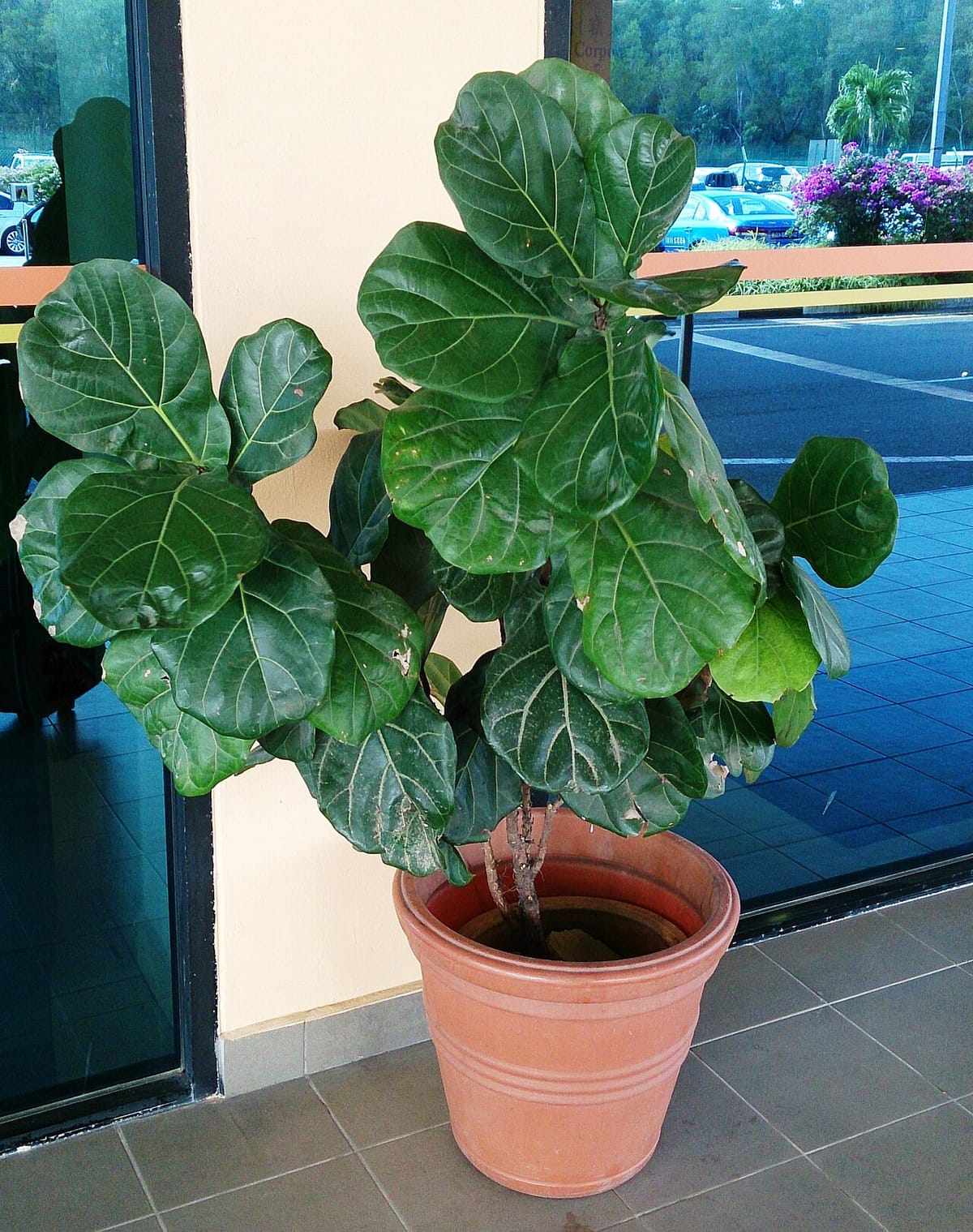
Move a fiddle leaf fig six feet across a room, and it may drop a dozen leaves in protest within the week — even though the new spot gets nearly identical light. That single trait explains most of what makes this plant frustrating: it isn’t reacting to any one care mistake so much as to change itself, more than almost any other common houseplant. Once that’s clear, the plant stops feeling unpredictable, because nearly every problem traces back to something in its environment shifting.
The core insight: this plant hates change more than it hates any specific condition
Ask experienced fiddle leaf fig growers what the plant actually needs and the specifics — light, water, humidity — matter less than a broader pattern: the plant reacts to almost any change in its environment by dropping leaves, sometimes dramatically, even when the change itself seems minor or even beneficial. A move to a slightly brighter spot, a shift in watering routine, a new season’s temperature swing, or a draft from a newly opened window can all trigger a wave of leaf drop that looks alarming but often resolves on its own once the plant adjusts to its new stable conditions.
This explains why the single most effective fiddle leaf fig strategy isn’t chasing the “perfect” spot through trial and error — it’s choosing a reasonably good spot and then leaving the plant there consistently, resisting the urge to keep moving it in search of improvement every time a few leaves drop.
Light: more than many houseplants want, but not direct scorching sun
Fiddle leaf fig wants bright, indirect light — genuinely more light intensity than many popular houseplants tolerate well, which is part of why it often struggles in a dim corner chosen more for its visual impact than its actual light conditions. An unobstructed spot near an east, south, or west-facing window works well, with some protection from the most intense midday direct sun, which can scorch its large, glossy leaves.
Insufficient light is one of the most common underlying causes of fiddle leaf fig struggles — showing up as slow growth, leaf drop, and stretched, leggy growth reaching toward whatever light is available, similar to the legginess mechanism that affects light-starved seedlings. If a fiddle leaf fig is consistently struggling in a chosen spot, checking whether that spot genuinely provides bright indirect light — rather than assuming the room is bright enough because it looks bright to the eye — is worth doing honestly.
Alt: Fiddle leaf fig placed in bright indirect light away from drafts
Caption: Bright, indirect, and — above all — unchanging. That's the whole formula.
Watering: consistency over precision
Water when the top 2 inches of soil have dried out, then water thoroughly until it runs from the drainage holes — typically every one to two weeks depending on light, season, and pot size. The specific interval matters less than maintaining a consistent rhythm: erratic swings between bone-dry and thoroughly soaked soil stress the plant considerably more than a slightly-off-but-steady watering schedule does, echoing the same swing-avoidance principle covered for blossom-end rot in tomatoes — inconsistency, not any single extreme, causes the visible damage.
Brown, soft spots on leaves often indicate overwatering or root stress; dry, crispy brown edges more often point to underwatering, low humidity, or excessive direct sun exposure. Checking soil moisture alongside a spot’s texture — soft and water-soaked versus dry and crisp — helps distinguish which direction to correct.
Cleaning the leaves periodically — wiping the large, glossy foliage with a damp cloth every few weeks — isn’t purely cosmetic. Dust accumulation on fiddle leaf fig’s substantial leaf surface area meaningfully reduces the light reaching the plant’s photosynthetic tissue, compounding whatever light limitations already exist in an indoor setting. This small, easily forgotten maintenance task pairs naturally with the plant’s general need for as much usable light as its position can offer.
Avoid the urge to keep relocating it
This deserves its own emphasis because it’s the single most common mistake with this specific plant: moving a struggling fiddle leaf fig repeatedly in search of a better spot usually makes things worse, not better. Every relocation resets the adjustment period the plant needs to stabilize, and a plant moved every few weeks in response to a few dropped leaves never gets the chance to actually settle into any location. Choose the best available bright, draft-free spot, commit to it for at least several weeks to a couple of months, and resist judging the location’s success by the first wave of leaf drop that often follows any placement — including a genuinely good one.
Drafts specifically — from an exterior door, an air conditioning vent, or a drafty window — are a common, often overlooked trigger for ongoing leaf drop even in an otherwise well-lit spot, so checking for airflow at the plant’s actual location is worth doing alongside the light assessment.
Humidity, feeding, and repotting
Fiddle leaf fig appreciates moderate to higher humidity than the dry air many homes maintain in winter heating season — grouping it with other plants, running a humidifier nearby, or misting occasionally can help, though this is a secondary factor compared to light and watering consistency. A half-strength balanced liquid fertilizer monthly during the growing season supports steady growth; skip feeding in winter dormancy.
Repot every one to two years as roots fill the current pot, moving up just one size, and expect a period of adjustment (occasionally including some leaf drop) after repotting — another example of the plant’s general change-sensitivity, not a sign the repotting itself went wrong. Spring or early summer, when the plant is actively growing and best able to recover quickly, is the ideal time to repot rather than during its slower winter months.
Pruning for shape
Left alone, a fiddle leaf fig often grows as a single tall stem with leaves concentrated near the top. Pruning the growing tip once the plant reaches a desired height encourages branching below the cut, gradually producing a fuller, bushier shape rather than one continuously ascending stem — best done during the active growing season, when the plant recovers from the cut most readily.
Pet safety
Like several other ficus species, fiddle leaf fig sap can irritate skin and cause vomiting or drooling if chewed by cats or dogs — position it out of reach in households with plant-curious pets, following the same caution warranted for monstera and several other common houseplants. The sap can also mildly irritate human skin during pruning or leaf cleaning, so those with sensitive skin may want to wear light gloves for these routine maintenance tasks.
Reframing the reputation
Fiddle leaf fig’s fussy reputation is real, but it’s a fairly narrow kind of fussiness once understood: it’s not that the plant demands unusually complicated care, it’s that it reacts visibly to change more than almost any other common houseplant, punishing relocation, inconsistent watering, and drafts with dramatic leaf drop that looks worse than the underlying problem usually is. Give it good, stable light, a consistent watering rhythm, and — above all — the patience to leave it alone in one spot for weeks at a time, and the plant that seemed impossible to keep happy often turns out to be one of the more rewarding, architecturally striking additions to a bright room. Once settled, a mature fiddle leaf fig can anchor a room for years with minimal further drama.
Frequently asked questions
Why is my fiddle leaf fig dropping leaves?
Leaf drop is most commonly triggered by a change in conditions — a new location, a draft, a watering shift, or a temperature swing — rather than one specific ongoing care mistake. Fiddle leaf figs are notably sensitive to change and often drop a few leaves in response to any disruption, even one that seems minor, before stabilizing once conditions settle.
How much light does a fiddle leaf fig need?
Bright, indirect light is essential — more light than many popular houseplants tolerate well, ideally near an unobstructed east, south, or west window with some protection from harsh direct midday sun. Insufficient light is one of the most common reasons a fiddle leaf fig struggles, showing up as slow growth, leaf drop, and leggy stretching toward the light source.
How often should I water a fiddle leaf fig?
Water when the top 2 inches of soil have dried out, then water thoroughly until it drains from the pot — typically every 1 to 2 weeks depending on light and season. Consistency in this schedule matters more than the exact frequency, since fiddle leaf figs respond poorly to erratic swings between very dry and very wet soil.
Should I move my fiddle leaf fig around the house to find a better spot?
No — frequent relocation is one of the most common causes of ongoing leaf drop, since the plant needs time to adjust to any new light and airflow conditions. Choose the best available bright, draft-free spot, commit to it, and give the plant several weeks to stabilize before concluding the location isn't working.
What do brown spots on fiddle leaf fig leaves mean?
Brown spots with a somewhat soft or water-soaked appearance often indicate overwatering or root stress, while dry, crispy brown edges more often point to underwatering, low humidity, or too much direct sun. Checking the soil moisture alongside the spot's texture helps distinguish which direction the problem lies.
Are fiddle leaf figs toxic to pets?
Yes — like several other ficus species, fiddle leaf fig contains a sap that can irritate skin and cause vomiting or drooling if chewed by cats or dogs. Keep it positioned out of reach of pets prone to chewing houseplant leaves.
How do I encourage my fiddle leaf fig to branch instead of growing as one tall stem?
Pruning the top growing tip once the plant reaches a desired height encourages side branching below the cut, producing a fuller, bushier shape over time rather than one continuously tall single stem. This is best done during the active growing season, when the plant recovers from pruning most readily.