Peace Lily Care: Why It Droops, and How to Keep It Actually Happy
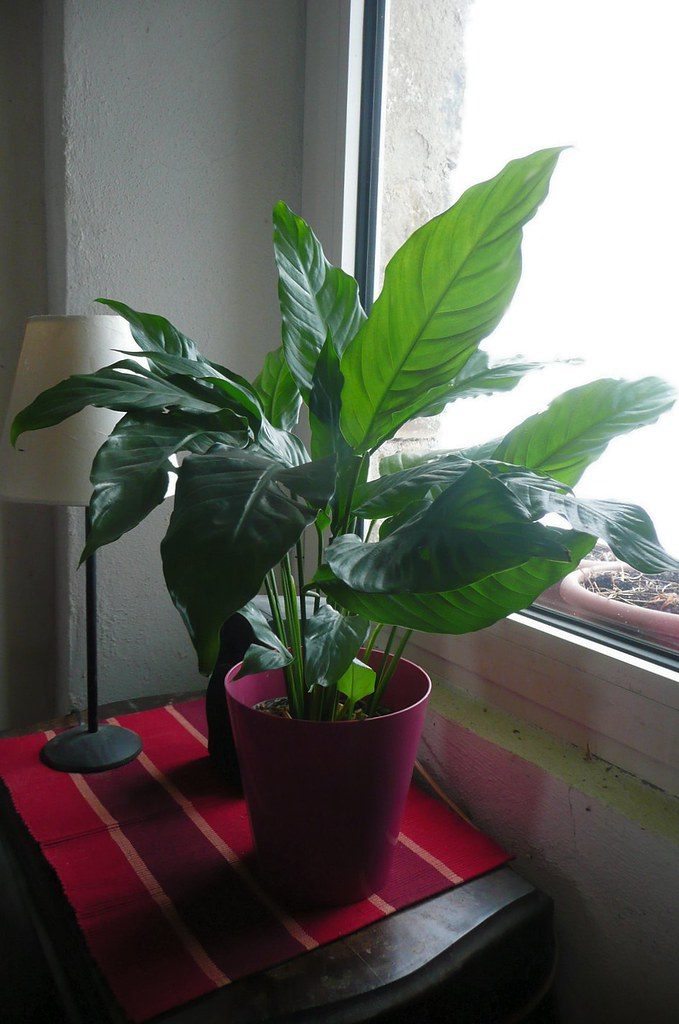
Few houseplants communicate their needs as clearly as a peace lily. Let it go too long without water and the leaves collapse into a dramatic, unmistakable droop within a day — then, watered, they’re often standing back up within a few hours, as if nothing happened. That built-in feedback loop is a large part of why peace lilies remain one of the most popular houseplants for beginners: it’s hard to accidentally kill one through underwatering, since the plant announces the problem loudly before real damage sets in.
The dramatic droop, explained
A peace lily’s leaves are unusually responsive to water stress compared to most houseplants — rather than a slow, subtle yellowing or gradual wilt, an underwatered peace lily’s whole canopy droops noticeably within a day of the soil drying out too much, often looking alarming to a new owner the first time it happens. The reassuring part: this is a normal, reversible response, not a sign of serious damage, and a thorough watering typically has the leaves standing back upright within a few hours to a day.
This makes the droop-and-recover cycle a legitimately useful watering indicator rather than purely a problem to avoid — many experienced peace lily owners deliberately let the plant droop slightly before watering as a reliable cue, rather than testing soil moisture by hand every few days. The important distinction: occasional droop-and-bounce-back is fine; a plant that stays droopy after a thorough watering is signaling a different problem, most commonly root rot from the opposite issue — soil that’s been kept too consistently wet for too long, which is covered in detail in our guide to houseplant root rot.
Light: more tolerant than most, but blooming needs more
Peace lilies have a well-earned reputation for tolerating low light better than most flowering houseplants, which is a significant part of their appeal for offices, bathrooms, and other dimmer spots in a home. A peace lily kept in fairly low light will generally survive and maintain reasonable foliage, which is more than can be said for many other flowering plants in the same conditions.
The tradeoff: low light dramatically reduces flowering. A peace lily wants medium to bright indirect light to bloom reliably and to maintain the fullest, most vigorous foliage — a plant kept in a dim corner for the sake of survival will often produce little or no flower spathe, even while otherwise appearing reasonably healthy. Direct, hot sun should still be avoided regardless of the light-tolerance range, since it scorches leaves in a way distinct from the tip-browning covered below.
Watering: let the droop guide you, within reason
Beyond the droop signal itself, a reasonable baseline is watering once the top inch or two of soil has dried out, checked by hand if you’d rather not wait for the visual cue. Peace lilies generally prefer consistently moist — but not soggy — soil, tolerating a slight droop-and-recover cycle far better than they tolerate soil kept constantly saturated, which risks the oxygen deprivation and rot covered in our root rot guide.
Overwatering is the more serious risk of the two extremes for a peace lily, despite the plant’s obvious signaling around underwatering — a peace lily that’s drooped from thirst recovers reliably and predictably, while one sitting in chronically wet soil is dealing with a much less visible and less easily reversed problem. When uncertain, erring toward slightly less frequent watering, and trusting the droop to signal when it’s needed, is the safer default.
Brown tips: the peace lily’s other common complaint
Alongside dramatic drooping, brown leaf tips are the peace lily’s other frequent issue, and the causes overlap closely with those affecting many other common houseplants:
- Tap water sensitivity, particularly to fluoride and chlorine, is a leading cause — switching to filtered or distilled water, or letting tap water sit out uncovered overnight before use to allow some chlorine to dissipate, often visibly reduces new brown tips over the following weeks.
- Low humidity stresses peace lilies, which naturally prefer a more humid environment than many homes provide, especially during winter heating season. Grouping plants together, using a pebble tray with water beneath (not touching) the pot, or running a small humidifier nearby all help.
- Fertilizer salt buildup in the soil over time, from regular feeding without occasional flushing, can also cause tip browning as accumulated mineral salts damage root tips and, in turn, leaf tips. Flushing the soil thoroughly with plain water — enough to run clearly through the drainage holes several times — every few months clears accumulated salts before they become a chronic problem.
Existing brown tips won’t turn green again, but trimming them off with clean scissors, following the natural leaf shape as closely as possible, keeps the plant looking tidy while the underlying cause is addressed for future growth.
Getting your peace lily to flower
A peace lily that’s producing plenty of healthy green foliage but no flowers is one of the most common frustrations reported with this plant, and it almost always traces back to insufficient light. Moving the plant to a brighter spot with strong indirect light — close to an east- or west-facing window, for instance, without direct sun hitting the leaves — is the most effective step toward reliable blooming.
For an already well-lit, mature plant that still isn’t flowering, a fertilizer formulated to support blooming (relatively higher in phosphorus) applied during the active growing season can provide a modest boost, though light remains the dominant factor in most cases of a non-flowering peace lily. Patience also matters — a young or recently divided plant may simply need another season of growth before it’s mature enough to flower reliably, regardless of otherwise ideal conditions.
Dividing an overgrown peace lily
Peace lilies grow in clumps from multiple crowns rather than a single central stem, which means a mature, overgrown plant can be divided into several new plants rather than simply repotted into an ever-larger container. When repotting (roughly every one to two years, or once the plant is visibly crowded and root-bound), gently separate the root ball by hand along its natural clump divisions, ensuring each division retains a reasonable portion of roots and at least a few leaves, then pot each division separately in fresh, well-draining potting mix.
This is an easy way to multiply a single peace lily into several plants for other rooms or to share, and dividing an overly large, congested clump periodically also tends to result in healthier, more vigorous growth and more reliable flowering than leaving an increasingly crowded single plant to keep expanding indefinitely in the same pot.
The air-purifying reputation, in context
Peace lilies are frequently marketed around a well-known NASA study from the late 1980s that tested houseplants’ ability to remove certain volatile compounds from sealed laboratory air chambers, in which peace lilies performed well among the species tested. It’s worth understanding this claim’s real-world limits: those results came from small, sealed chambers under controlled lab conditions, and follow-up research generally finds that the number of houseplants realistically kept in an average home or office falls far short of what would be needed to meaningfully affect indoor air quality in a normal, ventilated room. A peace lily is a lovely, easy-care plant worth growing for its own sake — its air-purifying reputation is real in a narrow laboratory sense but shouldn’t be the main reason to expect noticeably cleaner air from a windowsill plant or two.
Soil, potting, and temperature preferences
A well-draining, peat-based potting mix with good moisture retention suits peace lilies well — a standard quality houseplant potting mix works fine without needing specialty amendments, though mixing in a small amount of perlite improves drainage for anyone who tends to water generously. Repotting every one to two years, or once roots are visibly circling the pot’s edge, keeps the plant from becoming excessively root-bound, though peace lilies also tolerate being slightly pot-bound better than many houseplants without major stress.
Peace lilies prefer typical indoor room temperatures, generally in the 65 to 80°F range, and are sensitive to cold drafts and sudden temperature swings — a spot near a frequently opened exterior door or a drafty single-pane window in winter can cause stress and leaf damage distinct from the watering-related issues covered above. Keeping the plant away from both cold drafts and hot, dry air from heating vents avoids one more common, easily overlooked source of leaf stress.
Common pests to watch for
Peace lilies are relatively pest-resistant compared to many houseplants, but spider mites and mealybugs are the two most likely to show up, particularly on a plant kept in unusually dry air or one that’s otherwise stressed. Spider mites show up as fine webbing and small stippled discoloration on leaves, thriving especially in dry indoor air — increasing humidity, which also helps prevent brown tips, does double duty in making conditions less favorable for mites. Mealybugs appear as small, cottony white clusters, typically in leaf joints and along stems, and can usually be removed with a cotton swab dipped in rubbing alcohol for a light infestation, or an insecticidal soap treatment for anything more established. Regularly wiping down leaves with a damp cloth, which also keeps the foliage looking glossy, is a simple habit that helps catch either pest early, before a minor issue becomes a widespread one.
A note on pet safety
Peace lilies contain calcium oxalate crystals throughout their tissue, which cause oral irritation, drooling, and digestive upset in cats and dogs that chew on the leaves, though severe or life-threatening poisoning is uncommon compared to some other toxic houseplants. This is still worth taking seriously in a household with pets prone to chewing on plants — keeping the peace lily somewhere out of reach, or choosing a different plant entirely for households with a known plant-chewing pet, avoids the issue altogether rather than managing around it.
Between the dramatic-but-harmless droop, the tolerance for less-than-ideal light, and the clear, hard-to-miss signals it gives around its own needs, the peace lily earns its reputation as one of the more forgiving flowering houseplants available — well suited to a first-time plant owner learning to read what a stressed plant looks like, precisely because this plant makes that signal so unmistakable.
Frequently asked questions
Why does my peace lily droop so dramatically?
Dramatic drooping is the peace lily's signature response to underwatering, and it's actually a useful, hard-to-miss signal rather than a sign of serious damage — the leaves typically perk back up within a few hours of watering. Occasional dramatic droop-and-recover cycles are normal; a plant that stays droopy even after watering points to a different problem, most often root rot.
Why are the tips of my peace lily leaves turning brown?
Brown leaf tips most commonly result from tap water sensitivity (particularly fluoride and chlorine), low humidity, or a buildup of fertilizer salts in the soil over time. Watering with filtered or distilled water, increasing humidity, and flushing the soil thoroughly with plain water every few months to clear mineral buildup all reduce new brown tips.
How much light does a peace lily need?
Peace lilies tolerate low light better than most flowering houseplants, which is part of their popularity, but they bloom far more reliably and grow more vigorously in medium to bright indirect light. Direct sun should be avoided, since it scorches the leaves; a low-light spot keeps the plant alive but often results in few or no flowers.
Why isn't my peace lily flowering?
Insufficient light is the most common reason a peace lily produces lush foliage but few or no flowers — the plant can survive in low light but typically needs medium to bright indirect light to bloom reliably. A mature, well-established plant in adequate light that still isn't flowering may simply need a modest boost of phosphorus-supportive fertilizer during the growing season.
Are peace lilies toxic to pets?
Yes — peace lilies contain calcium oxalate crystals that cause oral irritation, drooling, and digestive upset if chewed or ingested by cats or dogs, though severe poisoning is uncommon. They should be kept out of reach of pets that chew on houseplants, and any pet showing symptoms after contact should see a veterinarian.
How often should I water a peace lily?
Water when the top inch or two of soil has dried out, which the plant will confirm by starting to droop if you wait slightly too long — a useful built-in indicator most houseplants don't offer. Avoid watering on a fixed schedule regardless of soil condition, since needs shift meaningfully with season, light, and humidity.
Can I cut the flowers off my peace lily after they turn brown?
Yes — trimming spent flower spathes once they've browned redirects the plant's energy toward foliage and future blooms rather than maintaining a spent flower, and it improves the plant's appearance in the meantime. Cut the flower stem down near its base with clean scissors once it's fully brown rather than removing it while still green.