Why Is My Lawn Turning Brown? A Diagnostic Walkthrough
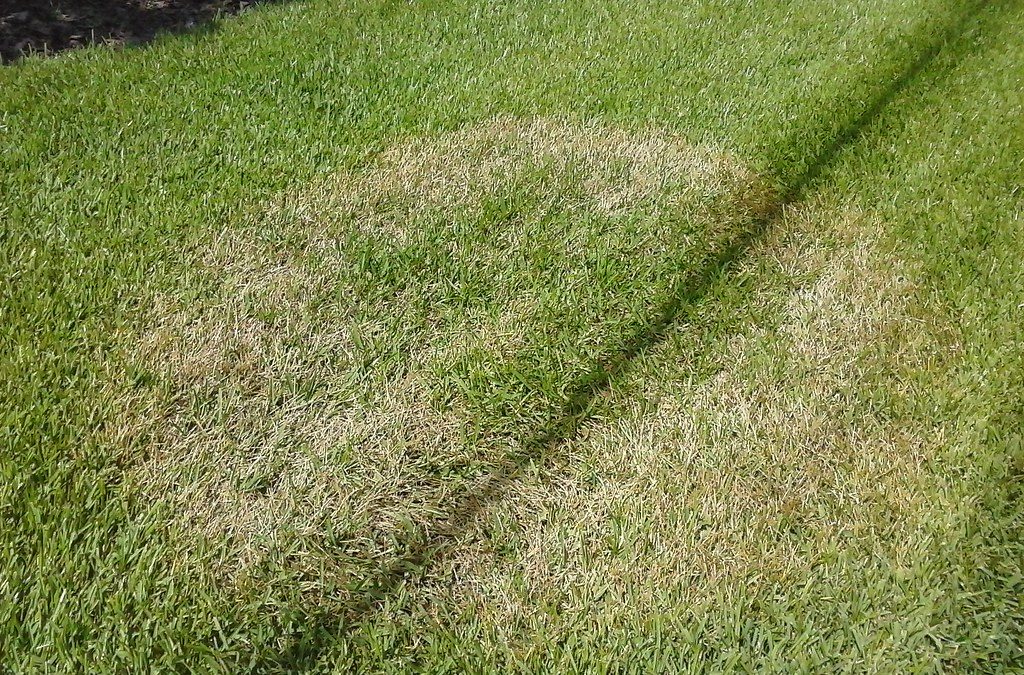
A brown lawn is one of the more frustrating diagnostic puzzles in home landscaping, mostly because so many different problems all produce the same basic symptom: grass that used to be green and now isn’t. Drought stress, grubs, fungal disease, dog urine, and simple seasonal dormancy can all leave a lawn looking similarly discolored, but they call for entirely different responses — which means the fix only works if the diagnosis comes first.
Step one: dormancy versus actual death
Before assuming the worst, it’s worth ruling out the most common and least concerning explanation: many grass species, particularly cool-season types like Kentucky bluegrass and fescue, go dormant during extended heat and drought as a deliberate survival strategy rather than a sign of damage. Dormant grass diverts its energy to protecting the crown and root system, letting the visible blades brown and appear dead while the plant itself remains very much alive underground, ready to green back up once adequate moisture returns.
The tug test is the simplest way to tell dormancy from real death: grab a small clump of the brown grass and pull firmly. Dormant grass resists and stays rooted in the soil, since the root system is intact and functioning even though the blades look brown. Truly dead grass — killed by grubs, disease, or other genuine damage — pulls up easily with little resistance, since the root connection has failed. This one quick check meaningfully narrows down which of the causes below is worth investigating further.
Reading the pattern of the brown patches
Beyond the tug test, the shape and pattern of brown areas is one of the most useful diagnostic clues available, often more informative than the color or texture of the grass itself:
- Diffuse, even browning across a large area, without sharp edges or a distinct pattern, points toward drought stress or general dormancy — the whole lawn (or a whole section receiving similar sun and water conditions) fading together rather than showing isolated patches.
- Distinct circular or ring-shaped patches, especially with a fairly sharp, defined edge and sometimes an area of darker green or dead grass right at the ring’s border, points toward a fungal lawn disease. Different fungi produce rings of different sizes and appearances, but the circular geometry itself is the consistent tell.
- Irregular patches that pull up like loose carpet with minimal resistance, sometimes revealing white, C-shaped grubs just beneath the surface, indicate grub damage to the root system.
- Small, distinct dead spots, often ringed by a halo of unusually dark green grass, especially in a yard with a dog, points toward urine spot damage rather than any of the above.
Drought stress and dormancy: the low-intervention fix
If the tug test confirms dormancy rather than real death, the appropriate response is often simply patience and consistent moisture rather than aggressive intervention. Dormant lawns typically green back up within one to two weeks of consistent rainfall or irrigation resuming, since the crown and root system have been alive and waiting throughout. Watering deeply but infrequently — roughly an inch of water total per week, delivered in one or two sessions rather than several shallow daily waterings — supports the deepest, most resilient root growth and is both the best recovery approach for an already-dormant lawn and the best prevention against future drought stress.
Mowing height matters here too: keeping grass a bit longer during hot, dry periods (many lawn species do well at 3 to 4 inches during summer stress) shades the soil surface, reduces evaporation, and reduces overall drought stress compared to a lawn kept mowed unusually short through the hottest part of the season.
Grub damage: confirming and treating
If the tug test reveals turf that lifts easily with minimal resistance, and especially if you spot white, C-shaped grubs an inch or two down in the soil beneath the damaged patch, grub-feeding beetle larvae — often Japanese beetle or June beetle grubs depending on region — are the likely culprit, feeding on grass roots from below and severing the connection that normally anchors turf firmly to the soil. Increased digging activity from birds, skunks, or raccoons hunting the grubs themselves is another frequent, easily noticed sign pointing toward this cause.
Treatment options range from beneficial nematodes and milky spore (both longer-acting, more targeted biological controls) to conventional grub-control insecticides applied at the right time in the grub life cycle, typically late summer when young grubs are actively feeding near the surface and most vulnerable to treatment. A local extension office can confirm which grub species is regionally common and the most effective treatment window, since timing matters considerably more than product choice for grub control.
Fungal lawn disease: patch shape and moisture management
Distinct circular or ring-shaped patches most often point toward one of several common fungal turf diseases, which tend to flourish under conditions of excess moisture, poor airflow, or overly frequent shallow watering. Rather than trying to precisely identify the exact fungal species involved — a task that often benefits from a local extension office’s diagnostic help — the most broadly effective response is correcting the moisture conditions that favor fungal growth in the first place: watering deeply but less frequently, watering in the morning rather than evening (so grass blades dry during the day rather than staying wet overnight), and improving airflow by not overcrowding or over-mulching near the affected area.
For a persistent or spreading fungal problem despite corrected watering habits, a fungicide labeled for the specific disease — again, best confirmed through extension diagnostic help — may be warranted, though addressing the underlying moisture conditions is what prevents the problem from simply returning after treatment.
Dog urine spots: prevention over cure
Concentrated nitrogen in dog urine acts essentially like an overly strong, hyper-localized fertilizer application, burning the grass directly at the point of contact while sometimes creating a ring of unusually dark, vigorous green growth immediately surrounding the dead center, where more diluted nitrogen reaching that area acted as a mild fertilizer boost rather than a burn. This distinctive dead-center-with-a-green-halo pattern is one of the more reliably identifiable brown-patch causes.
Prevention is more practical than treating each spot after the fact: training a dog to use a consistent bathroom area (ideally somewhere other than the primary lawn, such as a mulched or gravel spot) avoids the problem across the main lawn entirely. For households where that training isn’t practical, flushing the area with a hose immediately after a dog urinates dilutes the concentrated nitrogen before it can damage the grass, and is an effective habit for anyone willing to keep up with it consistently.
Compacted soil and thatch buildup
A less dramatic but common contributor to overall lawn browning and thinning is soil compaction combined with excess thatch — the layer of dead grass stems and roots that accumulates at the soil surface faster than it can break down. Both problems restrict water, air, and nutrients from reaching grass roots effectively, leaving turf more vulnerable to drought stress, disease, and general decline even without any single dramatic cause like grubs or fungus at work. Compaction is especially common in high-traffic areas — along frequently walked paths, near play equipment, or anywhere vehicles occasionally park — where the soil structure has been physically pressed too tight for roots to establish deeply.
Core aeration, which mechanically removes small plugs of soil to relieve compaction, and dethatching, which removes excess built-up thatch, are the standard remedies, typically performed once a year during the grass type’s active growing season (fall for cool-season grasses, late spring to early summer for warm-season types). A lawn that browns diffusely and recovers slowly compared to a neighbor’s, without a clear grub, fungal, or urine pattern, is a reasonable candidate for aeration even without more specific symptoms pointing to it directly.
A quick diagnostic summary
For a fast gut-check before digging deeper into any single cause: diffuse, even browning with grass that resists the tug test points to drought dormancy and usually just needs consistent watering and patience. Irregular patches that lift easily, especially with visible grubs beneath, point to grub damage needing targeted treatment. Sharp-edged circular or ring patches point to fungal disease needing a moisture-management fix, and sometimes fungicide. Small dead spots ringed by extra-dark green, especially in a yard with a dog, point to urine damage needing prevention and dilution. General, gradual thinning and browning without a clear pattern, especially in high-traffic areas, points toward compaction or thatch buildup needing aeration. Running through this short list against what’s visible in the yard is usually enough to narrow down the right next step before spending money on the wrong treatment.
When reseeding is the right next step
Dormant grass generally doesn’t need reseeding — it recovers on its own with moisture. Patches that are dead from grubs, fungal disease, or urine damage, however, usually need actual reseeding once the underlying cause is addressed, since dead turf doesn’t regrow from the existing root system the way dormant grass does. Our guide to overseeding a lawn covers the process in detail — the key sequencing point is treating the actual cause first (removing grubs, correcting fungal-favoring moisture conditions, diluting urine-affected soil) before reseeding, since new grass seed sown into conditions that caused the original damage is likely to suffer the same fate.
Diagnosing a brown lawn correctly before choosing a fix saves real time and money — treating grub damage with more watering does nothing, and treating simple drought dormancy with grub insecticide or fungicide is an unnecessary expense that doesn’t address a problem that was never really there in the first place. A few minutes with the tug test and a close look at patch shape usually points clearly toward the right diagnosis before any product needs to be bought at all.
It’s also worth resisting the urge to treat every brown patch as an emergency requiring immediate, aggressive intervention. A lawn that’s mostly healthy with a few scattered brown areas rarely needs a complete overhaul — identifying the specific cause behind each patch and applying a targeted response, whether that’s simply waiting out dormancy or addressing a genuine grub or fungal problem, almost always produces a better outcome than a blanket treatment applied across the whole yard on the assumption that more product solves more problems. Lawns are forgiving, resilient systems overall, and most brown-patch causes, correctly identified, have a straightforward and effective fix.
Frequently asked questions
Is my brown lawn dead, or just dormant?
Many cool-season grasses go naturally dormant and brown during prolonged summer heat and drought as a survival strategy, and this dormant grass is very much alive at the crown and roots even though the visible blades look dead. A simple tug test — pulling on a clump of brown grass — helps distinguish the two: dormant grass resists pulling and stays rooted, while truly dead grass (from grubs, disease, or other damage) pulls up easily with little resistance.
What does a circular brown patch usually mean?
A distinct circular or expanding-ring brown patch, especially one with a fairly sharp, defined edge, points toward a fungal lawn disease rather than simple drought stress, which tends to brown more diffusely and evenly across a whole area. Different fungal diseases produce somewhat different patch shapes and sizes, but the circular pattern itself is the key distinguishing clue.
How do I know if grubs are causing brown patches?
Irregular brown patches that pull up like loose carpet with minimal resistance, sometimes with visible white C-shaped grubs in the soil just beneath, are the signature sign of grub damage — grubs feed on grass roots, which is why the affected turf detaches so easily from the soil. Increased digging activity from birds, skunks, or raccoons hunting the grubs is another frequent tell.
Why does my dog cause brown spots on the lawn?
Dog urine spots result from concentrated nitrogen in the urine acting like an overly strong fertilizer application in one small area, essentially burning the grass at the point of contact while often greening the grass in a ring immediately around the dead spot where diluted nitrogen acted as a mild fertilizer boost instead. Training a dog to a consistent bathroom spot, or diluting the area with a hose immediately after, reduces new spots.
Can overwatering cause brown patches too?
Yes — overly frequent, shallow watering keeps roots shallow and weak while also creating conditions favorable to fungal disease, both of which show up as brown patches distinct from simple drought stress. Watering deeply but less frequently, allowing the soil to dry somewhat between waterings, produces a more drought- and disease-resistant lawn than frequent light watering.
Will brown patches recover on their own?
Dormant, drought-stressed grass typically greens back up on its own within a couple of weeks of consistent rainfall or irrigation resuming, since the crown and roots remain alive throughout dormancy. Patches from grubs, fungal disease, or dog urine generally need the underlying cause addressed and often some reseeding before they recover, since the grass in those areas is usually genuinely dead rather than dormant.
How often should I water my lawn to prevent brown patches?
Most lawns do well with roughly 1 inch of water per week total, from rainfall and irrigation combined, delivered in one or two deep sessions rather than several light daily waterings. Deep, infrequent watering encourages the deeper root growth that makes a lawn genuinely more drought- and disease-resistant, compared to shallow, frequent watering that keeps roots weak near the surface.