How to Grow Cilantro Without It Bolting in Two Weeks
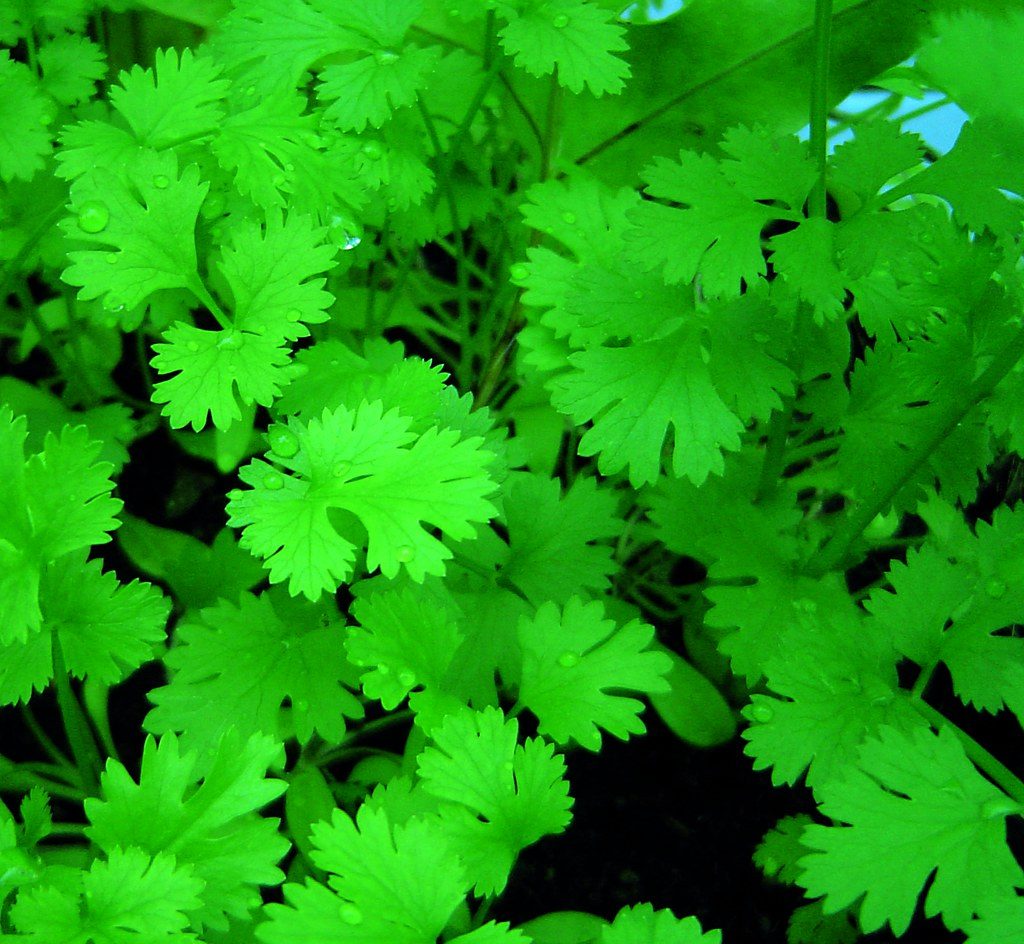
A thriving patch of cilantro can shoot up into tall, lacy flower stalks within two weeks of looking perfectly healthy — faster than almost any other common culinary herb bolts. More gardeners give up on cilantro than on any other herb in this guide’s lineup, usually right after watching that happen for the first time. Understanding why it happens so fast makes it far easier to work with the plant’s nature instead of fighting a losing battle against it.
Why cilantro bolts so fast, and why it isn’t your fault
Cilantro is genetically predisposed to bolt in response to both heat and long summer daylight hours, rushing to flower and set seed as quickly as its growing conditions allow. This isn’t a sign of a care mistake — it’s simply how the plant is wired, and it does this faster than almost any other common culinary herb, sometimes within just a couple of weeks once warm weather or long daylight arrives. A gardener who’s grown basil, parsley, or other herbs successfully and then finds cilantro bolting rapidly despite similar care isn’t doing anything wrong; cilantro’s bolting threshold is simply much lower and its response much faster than most other herbs.
Once bolting begins in earnest, the leaves that remain become noticeably more sparse and bitter, and the plant’s energy shifts almost entirely toward the tall central flower stalk rather than continued leaf production — there’s no way to reverse this process once it’s underway, which is exactly why prevention through timing matters so much more for cilantro than for most other herbs.
Basic growing conditions beyond the bolting question
Setting bolting aside for a moment, cilantro’s actual growing requirements are fairly simple. It prefers well-draining soil amended with a reasonable amount of compost, doesn’t need particularly rich or heavily fertilized soil to perform well, and does best with consistent moisture — allowing the soil to dry out repeatedly between waterings adds heat and drought stress on top of whatever temperature and daylight triggers are already pushing the plant toward bolting, effectively compounding the problem rather than helping avoid it. Cilantro also has a fairly shallow, somewhat delicate root system and doesn’t transplant especially well, which makes direct-sowing the generally preferred approach, similar to carrots and other herbs sensitive to root disturbance, rather than starting seed indoors and transplanting seedlings out later.
Container growing works well, with one caveat
Cilantro grows well in containers, which is convenient given how often gardeners want to succession-plant several small batches rather than dedicate a large in-ground bed to a crop with such a short productive window per planting. A container at least 6 to 8 inches deep provides adequate room for cilantro’s shallow root system. The one real caveat: containers heat up and dry out faster than garden soil, which can actually accelerate bolting compared to an in-ground planting in the same general climate — positioning containers where they get some afternoon shade, and keeping a closer eye on soil moisture than an in-ground bed would need, helps offset this container-specific tendency toward faster bolting.
Pests and disease are rarely the real problem
Compared to bolting, pest and disease pressure on cilantro is relatively minor — aphids occasionally show up on new growth and respond well to a simple water spray, and the same common garden pests that affect many other tender leafy plants can appear but rarely at damaging levels on a crop harvested and finished so quickly. For most home gardeners, timing and bolting management, not pest control, are essentially the entire challenge with growing cilantro successfully.
Timing is the single biggest lever
Since heat and long daylight trigger bolting, the most effective strategy by far is planting within cilantro’s actual cool-weather windows — early spring, as soon as the soil can be worked, and again in early fall as temperatures cool back down. Cilantro sown directly into the heat of summer will almost always bolt within a couple of weeks regardless of watering, soil quality, or any other care factor, since the trigger is fundamentally about temperature and daylight rather than anything a gardener directly controls at that point.
Gardeners in mild-winter climates have a real advantage here, often able to grow cilantro through much of fall, winter, and early spring in an extended cool stretch without ever hitting the summer heat that triggers rapid bolting elsewhere.
Choosing a slow-bolt variety
Beyond timing, variety selection matters more than it might seem for cilantro in a way it doesn’t for every herb. Varieties bred and marketed specifically as “slow bolt” or “long standing” measurably extend the usable leaf-harvest window compared to standard cilantro seed, buying real extra weeks before flowering begins even under otherwise similar conditions. These varieties still eventually bolt in sustained heat — they’re not immune to the underlying trigger — but the delay is meaningful enough that seeking out a slow-bolt variety by name is one of the more effective and low-effort improvements available to anyone who’s struggled with standard cilantro bolting too fast.
Using shade and cooler microclimates
Planting cilantro somewhere it receives afternoon shade — the east side of a taller plant, a partially shaded bed, or intentionally interplanted among taller crops that cast some shadow later in the day — keeps the immediate growing environment several degrees cooler than full, unbroken sun, and this modest temperature difference measurably delays bolting. This is a reliably useful trick for anyone trying to extend a cilantro harvest a bit further into warmer weather than the plant would otherwise tolerate on its own.
Mulching around cilantro plants provides a similar, smaller benefit, keeping root-zone soil somewhat cooler and retaining moisture more consistently, both of which support slightly more resilience against heat stress compared to bare, exposed soil.
Succession planting: the real solution to a short window
Given that any single cilantro planting only offers a real productive leaf-harvest window of a few weeks before bolting becomes likely, the most reliable way to maintain a continuous supply is succession planting — sowing a fresh small batch of seed every 2 to 3 weeks throughout the cool planting window, rather than relying on one planting to carry an entire season. This staggers plants at different growth stages, so as one batch begins bolting, a younger batch is just reaching prime harvest, and a newer one is just germinating — a rolling supply rather than one all-or-nothing harvest.
This same succession approach works well for cilantro grown indoors during winter, alongside other herbs grown indoors that benefit from staggered plantings for a continuous kitchen supply rather than one large batch maturing all at once.
Harvesting before bolting takes over
Cilantro is ready for light harvesting once plants have several sets of true leaves, typically within 3 to 4 weeks of sowing under good cool-weather conditions. Harvesting outer, more mature leaves and stems while leaving the center of the plant intact — similar to the cut-and-come-again approach used for loose-leaf lettuce — extends how long a single planting keeps producing before it inevitably shifts toward bolting, compared to cutting the entire plant down to nothing in one harvest.
Once flower stalks do begin emerging, harvesting promptly rather than waiting captures the last of the good-quality leaves before they turn sparse and bitter — a plant showing the first signs of a central stalk elongating is on a short clock before flavor quality drops noticeably.
Growing cilantro alongside other kitchen herbs
Cilantro’s short, fast productive cycle makes it a natural fit for a small dedicated section of a kitchen herb garden managed on a rolling succession basis, distinct from longer-lived, more forgiving herbs like rosemary or basil that can be treated as a single ongoing planting for most of a season. Keeping cilantro in its own small bed or set of containers, planned around the succession schedule described above, avoids the common mistake of planting it once alongside longer-lived herbs and then being disappointed when it behaves completely differently from its neighbors within a matter of weeks.
What to do with a plant that’s already bolted
A bolted cilantro plant isn’t a complete loss even once leaf quality has declined. The small white or pale pink flowers draw in beneficial pollinators and predatory insects that help control garden pests elsewhere, so leaving a bolted plant in place for a while rather than immediately pulling it offers some ecological benefit even after its culinary usefulness has passed. More directly useful: the seeds that follow the flowers are coriander, an entirely distinct and widely used spice in its own right, popular in a huge range of cuisines. Many experienced gardeners deliberately let at least one cilantro planting each season bolt and go to seed specifically to harvest coriander, effectively getting two different useful crops — fresh leaf and dried spice seed — from a single planting’s full life cycle rather than viewing bolting purely as a failure to prevent.
A quick note on the “cilantro tastes like soap” genetics
It’s worth mentioning, separate from the growing advice above, that a meaningful minority of people carry a genetic variation affecting certain olfactory receptors that makes fresh cilantro taste distinctly soapy or unpleasant to them, rather than herbal and bright the way most people experience it. This isn’t related to growing conditions, variety, or freshness — it’s a genuine, well-documented genetic difference in taste perception. If cilantro from your own garden tastes soapy despite following every piece of growing advice correctly, the plant likely isn’t the problem, and no amount of adjusted care changes that particular experience for someone with this genetic trait.
Cilantro’s fast-bolting habit is real and predictable, but it’s a predictable, plannable trait rather than a random frustration — timed to the plant’s real cool-weather preference, planted in succession, and given a bit of afternoon shade where possible, cilantro produces a perfectly reasonable, if inherently shorter-lived, harvest each planting. The gardeners who struggle most with it are usually the ones trying to grow it through summer heat the same way they’d grow basil, rather than respecting how different cilantro’s actual growing season really is.
Frequently asked questions
Why does my cilantro bolt so quickly?
Cilantro is genetically wired to bolt in response to heat and long summer daylight hours, and it does so faster than almost any other common culinary herb — often within just a few weeks of warm weather arriving. This isn't a sign of poor care; it's the plant's normal life cycle responding to conditions it interprets as a signal to reproduce quickly.
What's the best time of year to plant cilantro?
Early spring and again in early fall are the best windows in most climates, taking advantage of cool weather on either side of summer heat rather than fighting the plant's strong bolting response during the hottest months. Cilantro planted in the heat of summer will almost always bolt within a couple of weeks regardless of other care.
Are there slow-bolt cilantro varieties?
Yes — varieties bred specifically for slower bolting, sometimes labeled 'slow bolt' or 'long standing,' measurably extend the harvest window compared to standard cilantro, though they still eventually bolt in sustained heat rather than being immune to it entirely. These varieties are worth seeking out for anyone determined to grow cilantro through a warmer stretch.
Does shade help delay cilantro from bolting?
Yes, meaningfully — planting cilantro somewhere it gets afternoon shade, or intentionally in the partial shade of taller plants, keeps the growing area cooler and measurably delays bolting compared to a spot in full, unbroken summer sun. This is one of the more effective and low-effort tricks for extending a cilantro harvest into warmer weather.
Can I still use cilantro after it bolts?
The leaves become sparse and noticeably more bitter once bolting begins, but the plant isn't a total loss — the flowers are edible and attract beneficial pollinators, and the seeds that follow are coriander, an entirely different and widely used spice. Many gardeners let a bolted cilantro plant finish its cycle specifically to harvest coriander seed rather than pulling it immediately.
How do I keep a continuous cilantro harvest going?
Succession planting — sowing a fresh small batch of seed every 2 to 3 weeks throughout the cool planting window — keeps young, actively-leafing plants coming continuously, since any individual planting only offers a real harvest window of a few weeks before bolting. This spreads out the harvest rather than relying on a single planting to last an entire season.
Why does my cilantro look different from what I bought at the store?
Store-bought cilantro is typically harvested young and kept consistently cool from field to shelf, conditions a home garden can't fully replicate, especially once warmer weather arrives — home-grown cilantro naturally has a shorter usable window before it starts changing shape and heading toward bolting. This is a normal difference in growing conditions, not a sign anything has gone wrong.