Growing Herbs Indoors in Winter: What Actually Survives the Move
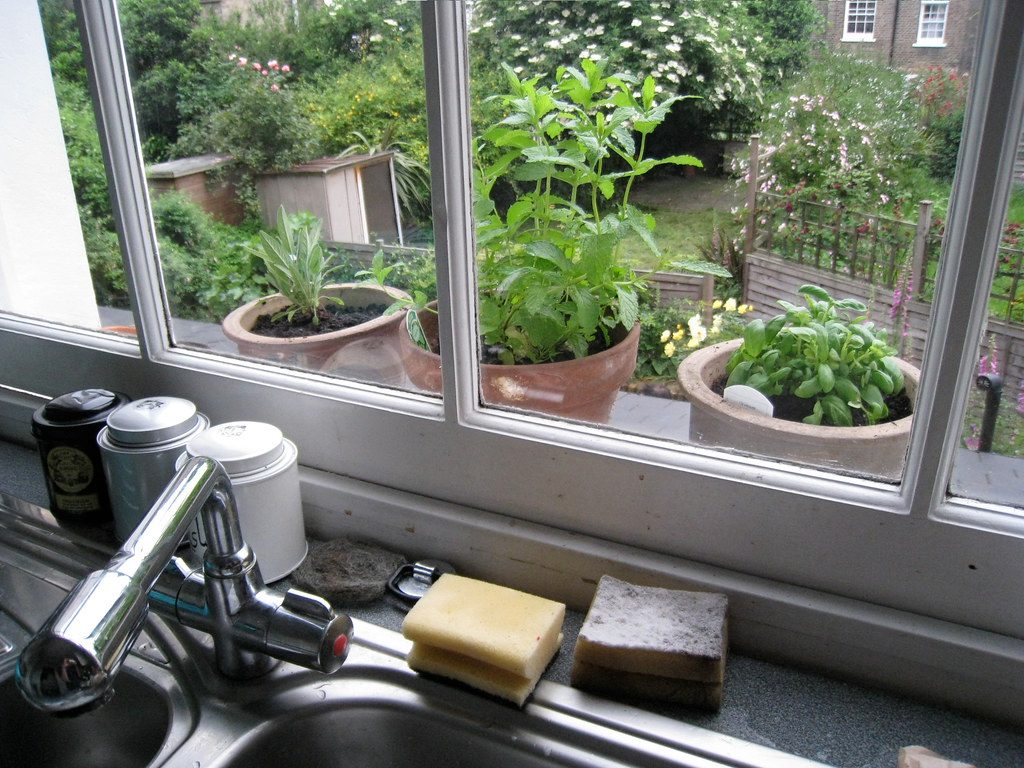
Every fall, the same optimistic ritual plays out in kitchens everywhere: a thriving outdoor basil plant gets potted up and moved indoors ahead of the first frost, destined to keep the fresh-herb supply going through winter. And every winter, that same basil plant typically declines anyway — pale, leggy, and unhappy — within a few weeks of the move, leaving its owner wondering what went wrong. The honest answer is usually nothing went wrong specifically; some herbs simply don’t transition indoors well regardless of care, while others do just fine given the right setup. Knowing which is which saves a lot of winter disappointment.
Not every herb is worth trying to save
The first, most important distinction: some outdoor herbs are worth the effort of bringing indoors, and some aren’t, independent of how well they’re cared for after the move.
Perennial, woody Mediterranean herbs — rosemary, thyme, sage — are naturally longer-lived plants that can transition indoors reasonably well, since they’re not racing against a natural end-of-life clock the way annual herbs are. They typically hold steady rather than actively thriving indoors through winter, which is a perfectly reasonable outcome — the goal is keeping the plant alive and available for occasional harvest until it can go back outside in spring, not expecting vigorous new growth through the darkest months.
Basil and other tender annual herbs, by contrast, are usually already well into or past their natural productive life cycle by the time frost approaches, and the stress of a location change on top of that natural decline rarely produces a happy result. Starting fresh basil seed indoors under proper light, rather than trying to nurse a declining outdoor plant through the transition, is generally the more successful and less frustrating path — the same seed-starting approach covered in our indoor seed-starting guide, just applied to winter herb supply rather than spring transplants.
Mint deserves a special note here too, since it straddles both categories somewhat: it’s perennial and tolerates the indoor transition reasonably well like the woody Mediterranean herbs, but it’s also vigorous enough that starting fresh from a small cutting (which roots readily in a glass of water, per the mint containment guide) is often just as easy as transitioning an entire mature outdoor plant, without needing to dig up and pot an established root system from the garden.
Light: the factor that decides almost everything
This is the single biggest determinant of indoor winter herb success, and it’s the same lesson that applies to seedling legginess: winter windowsill light is a small fraction of what herbs receive outdoors in summer, even in a window that looks perfectly bright to the eye. Short winter day length and a low sun angle both reduce the actual light intensity reaching an indoor plant well below what compact, flavorful herb growth requires.
A supplemental LED grow light — positioned a few inches above the plants and run for 12 to 16 hours daily on a simple timer — makes a dramatic, often surprising difference compared to windowsill light alone. Herbs grown this way stay considerably more compact, produce noticeably better flavor (aromatic oil production is closely tied to light intensity), and generally look and perform like a different plant compared to the same herb struggling on a windowsill through the darkest months of the year. This single setup change resolves the majority of indoor winter herb complaints — leggy growth, pale color, weak flavor — more effectively than any other single adjustment.
Alt: Comparison of chives grown under supplemental light versus windowsill light in winter
Caption: Same plant, same winter — the light source is the entire difference.
Which herbs perform well indoors in winter
Chives are among the most reliable winter indoor performers — cold-hardy and forgiving, they tolerate the transition well and continue producing usable growth given adequate light.
Parsley transitions reasonably well and, given a grow light, continues producing at a steady if slower pace through winter.
Mint, kept firmly in its own pot as always (never risk it near other plants, per the containment principles that apply indoors just as urgently as outdoors), tolerates indoor winter conditions well and continues growing at a reasonable pace under a grow light.
Thyme generally holds up acceptably indoors, tolerating the cooler temperatures many homes maintain in winter better than some other options.
Oregano, another Mediterranean perennial, follows a similar profile to thyme — reasonably tolerant of indoor winter conditions, though like its outdoor counterpart it prefers to dry out somewhat between waterings rather than being kept consistently moist the way parsley or chives prefer.
Basil, as covered above, is the trickiest — it strongly prefers real warmth and struggles with both the cooler air many homes have near windows in winter and the naturally lower humidity of heated indoor air during the season, making it one of the harder herbs to keep thriving through this stretch rather than merely surviving.
Watering: less than the summer habit suggests
Most plants, herbs included, slow their growth rate in winter’s shorter days and typically cooler indoor conditions, using meaningfully less water than they did during active summer growth outdoors. Continuing a summer-based watering schedule into winter is a common cause of decline — check actual soil moisture before watering (the same finger-test approach covered in our general houseplant watering guide) rather than watering on a fixed calendar habit carried over from a different season.
Rosemary specifically deserves a mention here, since it’s a common seasonal casualty: indoor winter rosemary most often fails from a combination of insufficient light and overwatering, since the plant’s native dry Mediterranean habit — covered fully in our rosemary growing guide — wants to dry out considerably between waterings, a pattern many indoor plant owners default away from without realizing rosemary specifically needs it.
Humidity and temperature considerations
Winter heating typically drops indoor humidity well below what many herbs prefer, and while this matters less than light and watering, it’s worth a mention — grouping pots together, running a small humidifier nearby, or simply accepting somewhat slower growth during the driest winter stretches are all reasonable responses. Keep indoor winter herbs away from direct heating vents and drafty windows, both of which create localized stress independent of the room’s average conditions.
A kitchen windowsill near a stove or oven can run warmer and drier than the rest of the house during cooking, which sometimes suits heat-loving basil better than a cooler room elsewhere — worth experimenting with if a particular herb seems to be struggling in its current spot despite otherwise reasonable light and watering.
The realistic seasonal plan
Rather than treating every outdoor herb as equally worth saving, a more realistic winter approach: bring in the woody perennials (rosemary, thyme, sage) that are worth preserving through winter regardless of dormant-ish performance, start fresh basil and other fast annual herbs from seed indoors rather than fighting a losing transition battle, and invest in a simple grow light setup if the goal is productive herbs through winter rather than merely surviving plants. This combination — the right herb selection, the right light, and watering adjusted to winter’s slower pace — is what keeps a kitchen supplied with fresh herbs through the months when the outdoor garden has nothing left to offer, turning what’s often a season of grocery-store dried herbs back into fresh-cut ones.
Frequently asked questions
Can I just bring my outdoor herb plants indoors for winter?
Some transition reasonably well; others struggle badly regardless of effort. Perennial Mediterranean herbs like rosemary and thyme can be brought indoors and often survive, though usually just holding steady rather than thriving. Basil and other tender annuals, by contrast, are already near the end of their natural life cycle by the time frost arrives and rarely justify the effort of transitioning indoors — starting fresh basil seed indoors is generally more successful.
Why do my indoor herbs get so leggy and pale in winter?
Almost always insufficient light — winter windowsill light is a small fraction of what herbs receive outdoors in summer, and even a bright-looking window delivers far less intensity than plants need for compact, flavorful growth. A supplemental grow light positioned close to the plants is the single most effective fix, following the same principle covered for seed-starting seedlings.
Which herbs grow best indoors during winter?
Chives, parsley, mint (kept in its own pot), and thyme generally transition and perform reasonably well indoors in winter with adequate light. Basil is the trickiest — it strongly prefers warmth and struggles in the cooler temperatures and lower humidity many homes have in winter, making it one of the harder herbs to keep thriving indoors during this season.
Do indoor winter herbs need less water than they did outdoors?
Generally yes — most plants, herbs included, slow their growth in winter's shorter days and cooler indoor temperatures, using less water than they did during active outdoor summer growth. Checking soil moisture before watering, rather than following a summer-based schedule, prevents the overwatering that's a common cause of winter indoor herb decline.
How much light do herbs need indoors in winter?
Considerably more than a typical windowsill provides during short winter days — a supplemental LED grow light, positioned a few inches above the plants and run for 12 to 16 hours daily, makes a dramatic difference in compactness and flavor compared to relying on window light alone during the darkest months.
Should I start new herb seeds indoors in winter, or try to keep existing plants going?
For fast-growing, short-lived herbs like basil and cilantro, starting fresh seed indoors under a grow light is generally more successful and less frustrating than trying to keep a stressed, declining outdoor plant limping along through winter. For longer-lived perennial herbs like rosemary or thyme, bringing an established plant indoors is the better approach, since it's already grown past the seedling stage.
Why does my indoor rosemary keep dying in winter even though I bring it in every year?
Rosemary indoors in winter most commonly fails from a combination of insufficient light and overwatering — the plant wants a genuinely bright spot (supplemented with a grow light if needed) and to dry out considerably between waterings, closer to its native dry Mediterranean habit than the more frequent watering many indoor plants receive by default.