How to Grow Lettuce: The Cool-Weather Crop Most Gardeners Get Wrong
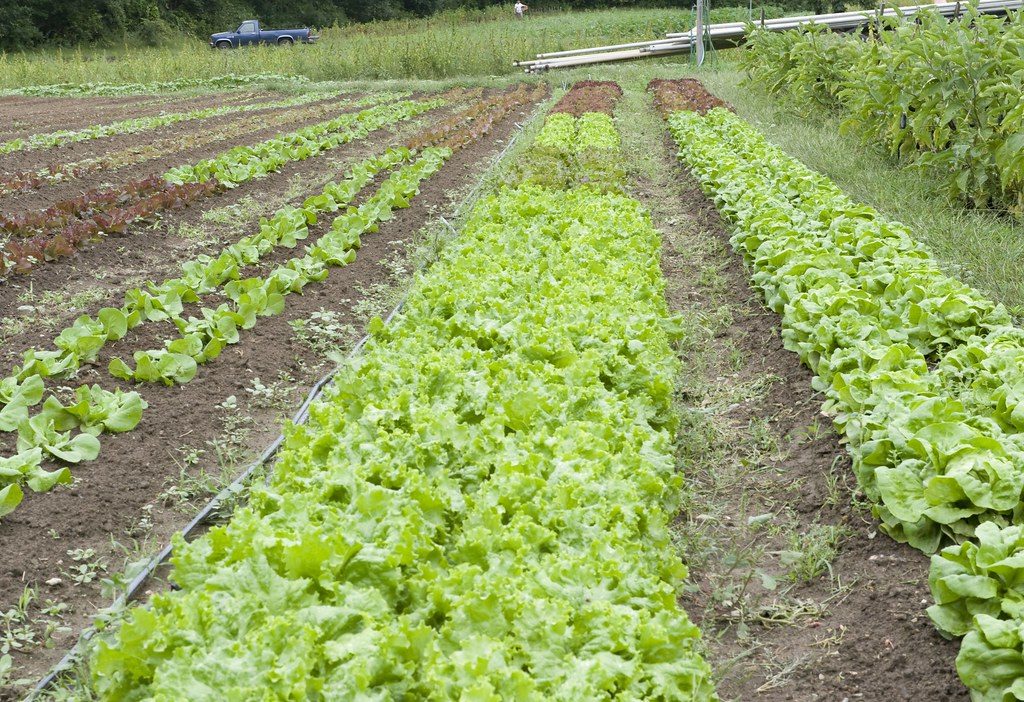
Ask ten experienced gardeners about lettuce and most will call it one of the easiest vegetables to grow — yet plenty of first-timers walk away frustrated, watching plants bolt into bitter stalks within weeks or stall out in summer heat everything else in the garden seems to love. That contradiction resolves down to one overlooked fact: lettuce is a cool-season crop, and most of its “difficulty” is really just being planted at the wrong point in the calendar.
Lettuce is a cool-season crop, full stop
The single most important thing to understand about growing lettuce is that it wants cool weather — ideally in the 60 to 70°F range — and performs poorly, bolting quickly and turning bitter, once temperatures push consistently into summer heat. This puts lettuce on a completely different calendar than heat-loving summer staples like tomatoes and peppers: early spring, as soon as the soil can be worked, and late summer into fall are the two prime planting windows in most temperate climates, with a gap through the hottest part of summer where lettuce generally struggles regardless of care quality.
Gardeners in mild-winter climates have it easier here, often able to grow lettuce through much of fall, winter, and early spring in an unbroken run, simply because their winters never get cold enough to stop growth the way a harsh winter would, while never getting hot enough in the growing window to trigger bolting either.
Choosing a lettuce type
Lettuce splits into a few broad categories, and picking the right one matters more for a first attempt than most gardeners realize:
- Leaf lettuce (loose-leaf types, never forming a tight head) is the easiest and fastest option for beginners, ready to begin light harvesting in as little as 3 to 4 weeks and continuing to produce new leaves for an extended period afterward.
- Romaine (cos) lettuce forms a more upright, elongated head and is moderately easy, tolerating a bit more heat than most other types before bolting.
- Butterhead lettuce (including Bibb and Boston types) forms a loose, soft head and is reasonably forgiving, prized for its tender texture.
- Iceberg and other tight-heading types are the most demanding, requiring more consistent conditions over a longer growing period to form a proper dense head, and are generally the least forgiving choice for a first attempt.
For a genuinely low-stress first lettuce crop, loose-leaf varieties are the clear recommendation — they’re fast, forgiving of imperfect conditions, and the cut-and-come-again harvest style (described below) means a single planting keeps producing for weeks rather than requiring a single all-or-nothing harvest moment.
Soil, sun, and spacing
Lettuce prefers loose, well-draining soil rich in organic matter — working a couple inches of compost into the top layer of soil before planting gives lettuce’s relatively shallow root system easy access to nutrients and moisture without requiring the deep, loosened soil a root vegetable would need.
At least 4 hours of direct sun is the baseline requirement, with up to 6 hours speeding growth nicely during cooler spring conditions. Once summer heat approaches, though, some afternoon shade becomes genuinely helpful rather than a limitation, since it moderates soil and air temperature around the plants and modestly delays the bolting that full, unbroken summer sun accelerates.
Spacing depends on the type and harvest style: loose-leaf lettuce grown for cut-and-come-again harvesting can be sown fairly densely, roughly 4 to 6 inches apart, since individual plants are never expected to size up into a large mature head. Head-forming types need considerably more room, typically 8 to 12 inches, to develop a proper full head.
Planting from seed
Lettuce seed is small and shallow-planted — barely covered, about a quarter inch deep at most, since the seed needs some light exposure to germinate reliably. Direct-sowing into the garden works well given lettuce’s short time to maturity, though starting seed indoors 4 to 6 weeks before the last expected frost and transplanting out as young seedlings also works well for an earlier spring harvest, similar to the seed-starting approach covered in our guide to when to start seeds indoors.
Keep the soil surface consistently moist during germination, which typically takes 7 to 10 days in cool spring soil — lettuce seed that dries out even briefly during this window often fails to germinate at all, making consistent moisture more important here than for many larger, more forgiving vegetable seeds.
Watering: consistency matters more than volume
Lettuce has a shallow root system and leaves that are mostly water by weight, which makes it noticeably more sensitive to inconsistent moisture than many other vegetables — a lettuce plant that dries out repeatedly between waterings tends to develop a more bitter flavor and bolt earlier than one kept evenly moist throughout its growing period. A consistent watering schedule, checking soil moisture regularly rather than watering on a loose or irregular schedule, produces noticeably better flavor and slower bolting than an inconsistent approach.
Mulching around lettuce plants helps considerably here, retaining soil moisture between waterings and keeping root-zone soil somewhat cooler during warmer stretches — both of which modestly delay bolting on top of the moisture-retention benefit.
Understanding and avoiding bolting
Bolting is lettuce’s response to heat stress or, in some varieties, simply long summer daylight hours — the plant abruptly abandons leaf production and rushes to send up a tall central flower stalk, setting seed as quickly as possible. The leaves turn noticeably more bitter once bolting begins, a flavor change that doesn’t reverse even if the plant is harvested immediately after bolting starts.
Since bolting is fundamentally a response to conditions rather than a fixable plant problem once it’s underway, prevention through timing is the real solution: planting within the cool-season windows described above, choosing heat-tolerant or slow-bolt varieties for anyone trying to push a planting slightly later into warmer weather, and providing afternoon shade during any unexpectedly warm stretch all reduce bolting risk. Once a plant has genuinely bolted, the most practical response is simply to harvest what’s still usable before bitterness sets in fully and let that planting go, rather than trying to nurse a bolted plant back to good flavor.
Harvesting: leaf by leaf, or the whole head
Loose-leaf lettuce varieties are best harvested using the cut-and-come-again method — snapping or cutting outer, more mature leaves off at the base while leaving the plant’s center and youngest inner leaves intact to keep producing. Done carefully, a single loose-leaf planting can be harvested this way for several weeks, considerably extending the useful life of one planting compared to pulling the entire plant at once.
Head-forming types — romaine, butterhead, and iceberg — are generally harvested as a complete head once mature, cutting the entire plant at soil level, since these types don’t regenerate a full new head the way loose-leaf types regenerate individual leaves.
Common pests: slugs and aphids
Lettuce’s tender, water-rich leaves make it a favorite target for a couple of common garden pests. Slugs and snails are frequent lettuce visitors, especially in cool, damp spring conditions that suit both the pest and the crop equally well — handling slugs and snails with beer traps, diatomaceous earth barriers, or simply hand-picking in the early morning or evening when they’re most active addresses the problem without needing to reach for stronger measures on a crop that’s often harvested and eaten within weeks of any treatment.
Aphids also target lettuce readily, clustering on the undersides of leaves and around the base where new growth emerges. A strong spray of water knocks most aphid populations back on a plant as tender as lettuce, and insecticidal soap handles anything more established — both approaches are gentle enough to use on a crop close to harvest, which matters more with lettuce than with vegetables that have a longer gap between treatment and eating.
Growing lettuce in containers
Lettuce adapts very well to container growing, making it one of the better choices for anyone without in-ground garden space, similar to the best vegetables for containers generally. Its shallow root system means a container only needs to be 6 to 8 inches deep to support healthy growth, considerably less than many other vegetables require, though a wider container accommodates more plants and makes better use of the growing space available. Containers do dry out faster than garden soil, which makes the consistent-moisture principle covered above even more important to stay on top of — checking container soil moisture daily during warm weather is a reasonable habit for anyone growing lettuce this way.
A few varieties worth trying beyond the basics
Beyond the standard green loose-leaf types, lettuce comes in a genuinely wide range of colors and textures worth exploring once the basics feel comfortable: red and bronze-leaf varieties add visual interest to both the garden bed and the salad bowl and generally grow with the same ease as green types; oakleaf lettuce, named for its distinctively lobed leaf shape, is a particularly heat-tolerant loose-leaf option worth trying for anyone pushing a planting slightly later into warmer weather; and mesclun mixes, blends of several loose-leaf varieties sold as a single seed packet, offer an easy way to grow a varied, colorful cut-and-come-again bed from one simple sowing.
Keeping a continuous harvest going
Because lettuce matures relatively quickly and has a limited cool-weather window, succession planting — sowing a new small batch of seed every 2 to 3 weeks throughout the appropriate spring or fall planting window — keeps a steady, staggered supply coming rather than one large harvest all maturing and needing to be used at once. This approach also hedges against any single planting bolting unexpectedly or failing to germinate well, since a poor outcome from one small sowing has much less impact than it would if it were the season’s entire lettuce crop.
Lettuce’s reputation as either effortlessly easy or maddeningly quick to bolt really comes down to the same underlying factor in both cases: timing with the season. Planted in the cool windows it actually wants, with consistent moisture and a bit of afternoon shade once warmth arrives, it’s genuinely one of the fastest, most forgiving, and most continuously productive vegetables a home garden can grow.
Frequently asked questions
When is the best time to plant lettuce?
Lettuce is a cool-season crop that thrives in temperatures between 60 and 70°F and bolts (goes to seed and turns bitter) in sustained summer heat, so early spring and late summer to fall are the best planting windows in most climates. Gardeners in mild-winter regions can often grow lettuce through much of fall, winter, and early spring instead.
What's the easiest type of lettuce to grow?
Leaf lettuce varieties (loose-leaf types that don't form a tight head) are widely considered the easiest and fastest for beginners, since they can be harvested continuously leaf by leaf rather than waiting for an entire head to mature. Romaine and butterhead types are also fairly forgiving, while tight-headed types like iceberg are the most demanding and least beginner-friendly.
How much sun does lettuce need?
Lettuce needs at least 4 hours of direct sunlight daily, though more — up to 6 hours — speeds growth, particularly in cooler early spring conditions. In hot weather, some afternoon shade actually helps delay bolting, making partial shade an asset rather than a limitation once temperatures climb.
Why did my lettuce turn bitter and shoot up a tall stalk?
This is bolting — the plant's response to heat stress or long summer daylight, where it abandons leaf production and rushes to flower and set seed, turning noticeably bitter in the process. Once bolting starts, the bitterness doesn't reverse, so the practical fix is planting earlier or later in the season to avoid the heat that triggers it, rather than trying to correct an already-bolted plant.
Can I harvest lettuce leaf by leaf instead of the whole plant?
Yes, with loose-leaf varieties this is actually the preferred method — known as cut-and-come-again harvesting, taking outer leaves while leaving the center intact lets the plant continue producing new leaves for weeks longer than a single whole-plant harvest would allow. Head-forming types like romaine and iceberg are typically harvested as a whole head instead.
How do I keep a continuous supply of lettuce all season?
Succession planting — sowing a new small batch of seed every 2 to 3 weeks during the appropriate cool-weather planting window — keeps a steady supply of young lettuce coming rather than one large harvest all maturing at once. This spreads out the harvest and also hedges against any single planting bolting or failing.
Does lettuce need a lot of water?
Yes, relatively consistent moisture matters more for lettuce than for many vegetables, since its shallow root system and mostly-water leaf tissue make it prone to bitterness and stress from drying out between waterings. Mulching around plants helps retain soil moisture and keeps roots cooler, which also modestly delays bolting in warm weather.