Succulent Care for Beginners: Light, Water, and the Mistakes to Avoid
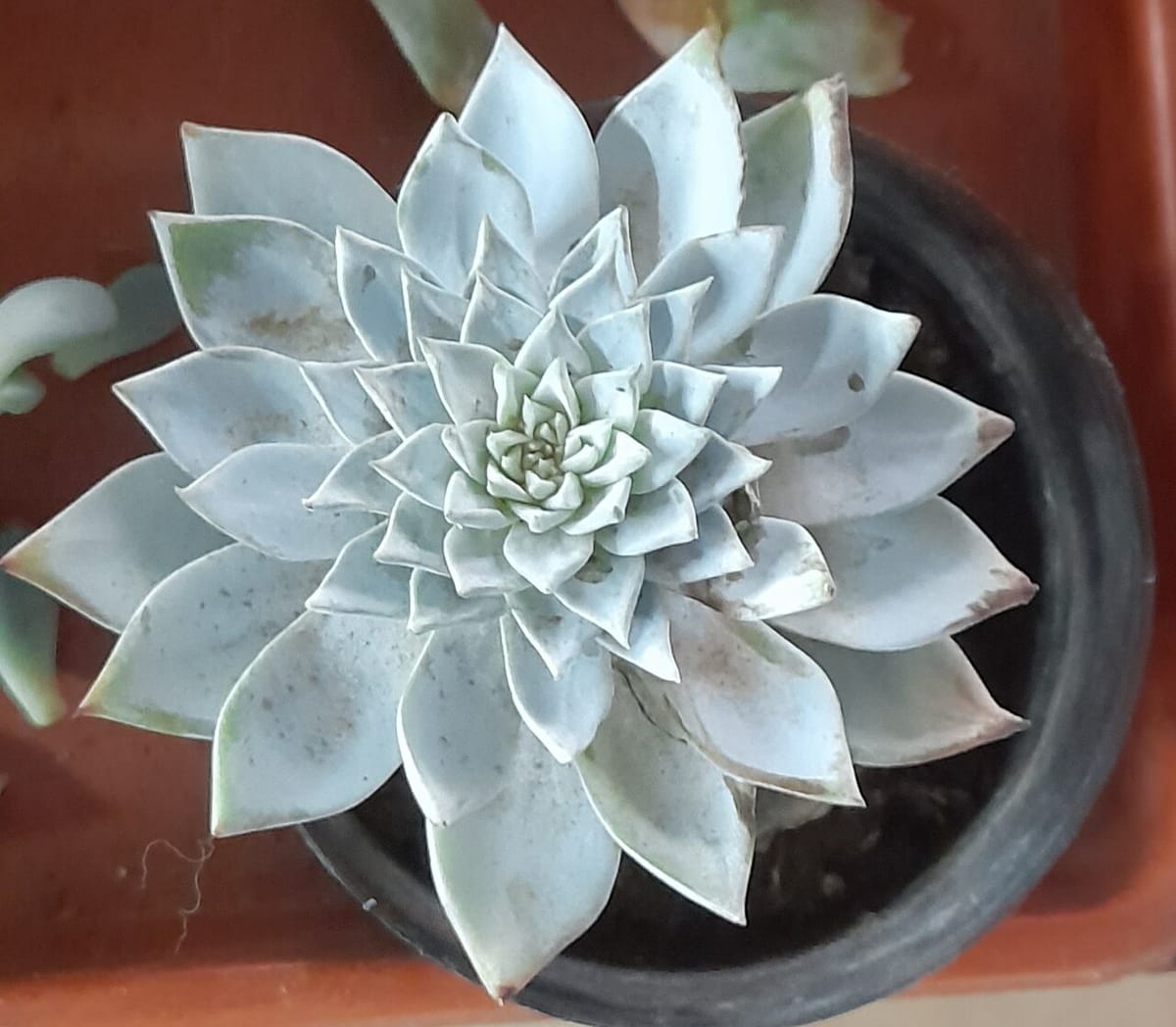
Succulents are marketed as the plant for people who kill plants — sold in tiny pots at checkout counters, gifted to notoriously forgetful friends, praised everywhere as impossible to fail with. Then, with almost comic reliability, they die anyway, usually within a few months, usually from the exact opposite problem everyone expected: not neglect, but a well-meaning owner who watered them like a regular houseplant. Succulents aren’t low-maintenance in the sense of tolerating anything — they’re low-maintenance in a very specific way, built around drought, and most succulent deaths come from accidentally undoing the one thing that makes them easy.
This guide covers the two adjustments that matter most — light and watering — plus the handful of remaining details that round out easy, long-term succulent care.
Unlearn regular houseplant habits first
Most houseplant advice assumes a plant that wants consistently moist (not wet) soil and tolerates moderate, indirect light. Succulents are built for the opposite conditions: arid, high-light environments where they’ve evolved to store water in thick, fleshy leaves and stems specifically to survive long stretches without rain. Treating a succulent like a pothos or a peace lily — regular watering on a schedule, a spot a few feet back from a window — takes a plant perfectly adapted to drought and puts it in conditions closer to what would stress a desert plant into rot and stretch.
The entire practice of good succulent care is really just honoring that original adaptation: less water, more light, and soil that drains fast enough to dry out completely between waterings.
Light: succulents want more than you’d guess
Most popular succulents want bright light, and many want direct sun for at least a few hours a day to maintain their tight, compact shape and vivid coloring. Echeverias, most sedums, and many other rosette-forming succulents are sun-lovers at heart, and a spot that seems bright enough by normal houseplant standards (a few feet from an east window, for instance) is often still not quite enough.
The tell-tale sign of insufficient light is stretching, called etiolation: the plant elongates its stem and spaces its leaves further apart, straining toward whatever light is available, producing a pale, leggy, unstable-looking version of what should be a tight, compact rosette. Once this happens, the stretched growth itself won’t compact back down — but moving the plant to significantly brighter light stops further stretching and lets subsequent new growth come in properly compact.
The practical fix for most homes: a south-facing windowsill, as close to the glass as reasonably possible, is usually the best available indoor light. West-facing windows with strong afternoon sun are a solid second choice. If a bright enough window isn’t available, a modest grow light positioned close to the plants (a few inches above, run 12–14 hours daily) closes the gap far more effectively than accepting a dim spot and hoping for the best — the same principle covered for other high-light needs in our low-light houseplant guide, which is really a guide to the plants that don’t need this level of light, by contrast.
Water: the soak-and-completely-dry method
This is the adjustment that saves the most succulents. Water thoroughly, until it runs from the drainage holes, then wait until the soil is completely dry throughout the pot before watering again — not just dry on the surface, but dry all the way down. Depending on light, temperature, pot size, and season, this often means watering only every one to three weeks during active growth, and considerably less — sometimes just once a month or even longer — during winter dormancy, when most succulents slow down significantly and need very little.
The check is simple: push a finger an inch or two into the soil, or lift the pot to judge its weight (a fully dry succulent pot feels noticeably light) — the same finger-and-weight system covered in our general houseplant watering guide, just applied with a much longer dry interval than most other houseplants tolerate.
Mushy, translucent, discolored, or easily dropped leaves are the clearest warning sign of overwatering, and often the beginning of root or stem rot — succulents store water specifically to survive drought, and constantly wet soil overwhelms and eventually rots that storage tissue rather than nourishing it. If this appears, stop watering entirely, let the soil dry out completely, and if the base of the plant feels soft or mushy, it’s worth unpotting to check whether the roots and lower stem have already begun rotting, trimming any affected tissue and repotting into dry, fresh mix.
Alt: Finger testing dry soil in a succulent pot before watering
Caption: When in doubt with succulents, wait — the dry check almost always says wait.
Soil and pots: built for drainage, not moisture retention
Use a fast-draining, gritty mix — either a bagged succulent-and-cactus specific potting mix, or regular potting mix amended with roughly a third to half extra perlite or coarse sand. Regular potting mix alone retains moisture far longer than succulent roots want, meaningfully raising rot risk even with otherwise careful, restrained watering.
Drainage holes are close to essential. A succulent in a pot with no way for excess water to escape is fighting an uphill battle regardless of how carefully it’s watered, since any water at all has nowhere to go but sit at the bottom around the roots. Our full container drainage guide covers the mechanics in detail, including the rock-layer myth that doesn’t solve this problem the way it’s often claimed to; for succulents specifically, a real drainage hole and a gritty mix matter more than almost any other single care decision.
Feeding: minimal, and easy to overdo
Succulents are naturally adapted to nutrient-poor, rocky, or sandy native soils and need very little supplemental feeding — a diluted, balanced liquid fertilizer at roughly a quarter strength, applied once or twice during the active growing season (spring into summer), is generally plenty. Skip feeding entirely during winter dormancy, when the plant isn’t actively growing and can’t use the nutrients anyway; feeding a dormant succulent risks a buildup of unused fertilizer salts in already-lean soil.
Choosing easy beginner succulents
Not all succulents are equally forgiving, and a few reliable, widely available options make a strong starting collection:
- Jade plant (Crassula ovata): thick, glossy paddle-shaped leaves on a plant that can eventually grow into a substantial small tree-like form over years; tolerant of a wide range of indoor conditions and one of the most forgiving succulents available.
- Echeveria: the classic rosette-forming succulent seen in countless photos, wanting the brightest light available to keep its tight, symmetrical shape and often striking blue-green or pink-tinged coloring.
- Haworthia: more tolerant of lower light than most succulents, making it a reasonable choice for a bright spot that isn’t quite direct-sun caliber, with distinctive striped or translucent-tipped leaves depending on variety.
- Sedum (various): generally easy, often trailing or spreading in habit, and among the more forgiving succulents for beginners still building their watering instincts.
- Snake plant, technically a succulent by care requirements even though it doesn’t look like the classic rosette form — covered in its own dedicated care guide, and one of the most forgiving plants in this entire category.
Propagation: the easiest way to expand a collection for free
Succulents propagate readily from both leaves and stem cuttings, making a small starting collection a renewable source of new plants:
- From a leaf: gently twist a healthy, plump leaf free from the stem, aiming for a clean full removal rather than a torn partial one, since a torn leaf base rarely roots successfully. Set it aside somewhere dry and out of direct sun for a few days to let the cut end callus over — skipping this step and placing a fresh wound directly onto moist soil invites rot rather than roots.
- Once calloused, lay the leaf on top of (not buried in) well-draining soil, and mist lightly every few days rather than watering heavily.
- Over several weeks, tiny roots and eventually a miniature new rosette will emerge from the leaf’s base; once the new plantlet is established and the original leaf has shriveled, it can be gently separated and potted on its own.
- Stem cuttings follow the same principle — let the cut end callus for several days, then plant upright in dry, gritty mix and water sparingly until roots establish, avoiding the temptation to keep the soil consistently moist during this rooting period.
The whole system, condensed
Give succulents more direct light than you’d instinctively offer any other houseplant, water thoroughly and then wait for the soil to go completely dry before watering again, plant them in gritty fast-draining mix in a pot with real drainage, and feed sparingly only in the growing season. Those four adjustments are the entire difference between the succulent that dies within a season — usually from too much water and not enough sun — and the succulent that becomes, genuinely, one of the easiest and most forgiving plants a person can grow.
Frequently asked questions
How often should I water succulents?
Only when the soil is completely dry, which in most homes means every one to three weeks in the growing season and often just once a month or less in winter. Water thoroughly until it drains from the pot, then wait for the soil to dry out fully before watering again — the single most common succulent mistake is watering on a schedule instead of checking the soil first.
Why is my succulent stretching and getting leggy?
Insufficient light — succulents stretch toward the strongest available light source when they aren't getting enough, a phenomenon called etiolation, producing pale, elongated stems with leaves spaced far apart instead of a tight, compact rosette. The fix is more light, ideally direct sun for several hours a day; stretched growth won't compact back down, but new growth will be normal once light improves.
Do succulents need direct sunlight?
Most do, and more than people expect — many popular succulents want several hours of direct sun daily to maintain their compact shape and vivid color, and a bright windowsill (ideally south-facing) is usually the minimum for keeping them from stretching. Exceptions exist among more shade-tolerant species, but as a general rule, succulents indoors err toward needing more light, not less.
Why are my succulent's leaves falling off or turning mushy?
Mushy, translucent, or discolored leaves that drop easily almost always indicate overwatering and the start of root or stem rot — succulents store water in their leaves specifically to survive drought, and constantly wet soil overwhelms that storage system and causes rot rather than nourishing the plant. Let the soil dry out completely and check the roots if the problem continues.
What kind of soil do succulents need?
A fast-draining, gritty mix specifically formulated for succulents and cacti, or regular potting mix amended with extra perlite or coarse sand (roughly a third to half the total volume). Regular potting mix alone retains too much moisture around succulent roots for too long, significantly raising the risk of rot even with otherwise careful watering.
Can succulents survive without drainage holes in their pot?
It's considerably riskier than with a draining pot, since excess water has nowhere to go and pools around the roots regardless of how carefully you water. If a beautiful pot has no drainage hole, either drill one, or keep the succulent in a plastic nursery pot with drainage set inside the decorative pot, watering it separately and never letting water sit in the bottom of the outer container.
How do I propagate succulents from leaves or cuttings?
Gently twist a healthy leaf free from the stem (a clean full removal, not a torn partial one, roots best), let the cut end callus over for a few dry days, then lay it on top of well-draining soil without burying it and mist lightly every few days. Roots and a tiny new rosette will emerge from the leaf's base over several weeks; stem cuttings root similarly after their own callusing period, planted upright once calloused.