How to Grow Cucumbers: Trellising, Watering, and Avoiding Bitter Fruit
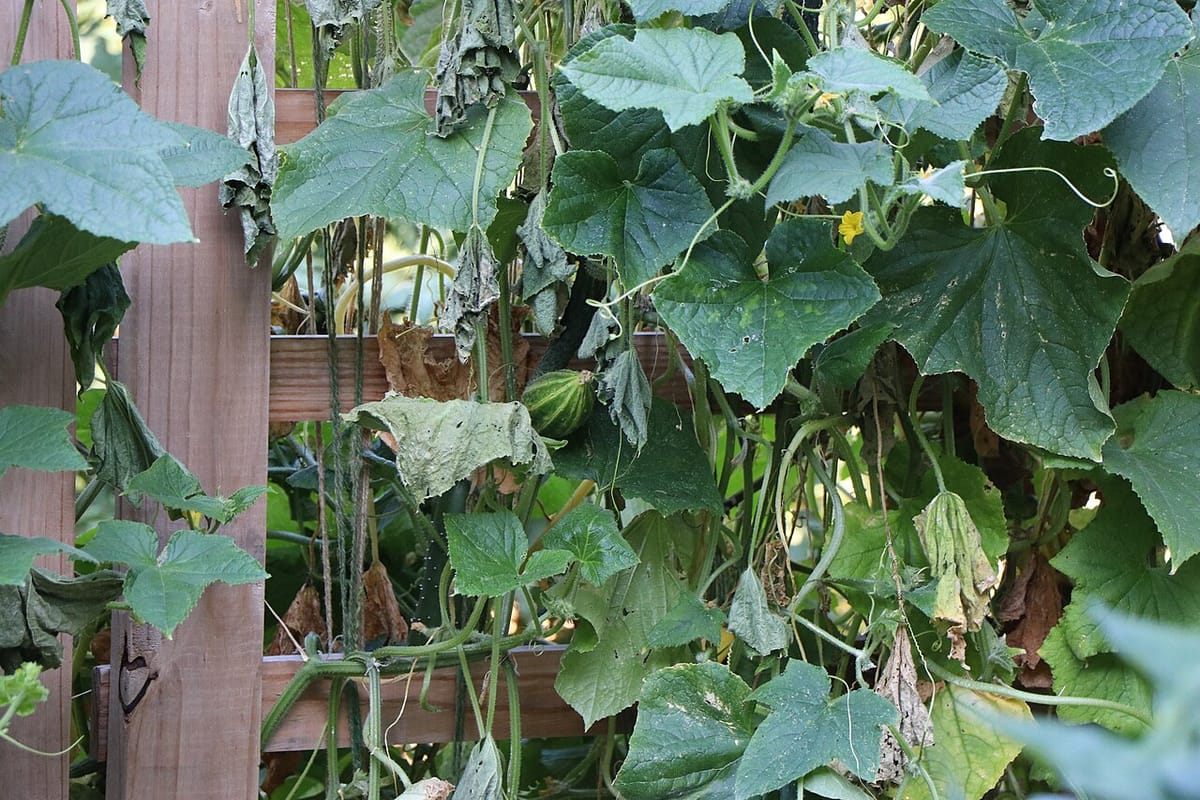
Two gardens can grow the same cucumber variety side by side and end up with completely different results: one yields armfuls of straight, sweet fruit all summer, the other a disappointing handful of bitter, curved ones. The split almost always comes down to two variables — how the vine is supported, and how evenly it’s watered — since cucumbers need meaningfully more water consistency than most summer vegetables tolerate. Get those two things right and cucumbers become one of the most productive plants a summer garden can hold.
Choosing a type: vining versus bush
Vining cucumbers are the traditional, more productive type, growing long sprawling or climbing vines that benefit enormously from trellising. Bush cucumbers are bred to stay compact, making them a solid choice for smaller gardens or containers, though generally with somewhat lower total yield than a well-trellised vining variety over a full season.
Within either type, cucumbers are further split by use: slicing cucumbers for fresh eating, and pickling cucumbers, typically smaller and bred for the texture that holds up well to brining. Some varieties are also parthenocarpic, meaning they set fruit without pollination at all — a useful trait for greenhouse growing or gardens with limited pollinator activity, though most traditional garden varieties still rely on bee visits.
Planting: warmth and spacing
Cucumbers are true warm-season plants — direct-sow or transplant only after last frost, once soil has genuinely warmed, following the same warm-soil logic covered for other warm-season crops. Cold, wet soil stalls germination and can rot seed before it sprouts.
Spacing depends on the growing method: trellised vining cucumbers can go as close as 12 inches apart along the trellis line, since the vertical support eliminates the sprawling footprint ground-grown vines would otherwise need; ground-sprawling vines want considerably more room, often 3 feet or more between plants. Full sun — six to eight hours minimum — supports the best production.
Trellising: the single best upgrade for cucumber growing
Training cucumbers up a trellis, netting, or cage rather than letting them sprawl on the ground delivers several real benefits at once:
- Straighter, cleaner fruit. Cucumbers growing vertically hang freely rather than curving around ground obstacles, producing the straight fruit most gardeners expect from the grocery store.
- Less rot and pest access. Fruit resting directly on soil is exposed to moisture-related rot and easier access for slugs and other ground-dwelling pests; trellised fruit hangs clear of the ground entirely.
- Better air circulation. Vertical growth improves airflow around the leaves, reducing the humidity buildup that favors powdery mildew and other fungal problems — the same airflow principle covered in our powdery mildew guide.
- Dramatically easier harvesting. Fruit hanging on a trellis is visible and accessible, rather than hidden under a tangle of ground-level foliage — a real practical advantage when trying to catch cucumbers at the right size before they overgrow.
A simple cattle-panel arch, a length of sturdy netting stretched between two posts, or even a tall tomato cage all work — cucumber tendrils grip readily once trained to start climbing, needing only occasional gentle guidance early on.
Container growers can trellis cucumbers just as effectively as in-ground plantings — a compact or bush variety in a 5-gallon pot with a small trellis or netting mounted behind it produces a real harvest in a fraction of the footprint a sprawling ground vine would need, following the same container-growing principles that apply to other vining crops.
Alt: Cucumber vine trained up a trellis arch with straight fruit hanging for easy harvest
Caption: Vertical growing does three jobs at once: straighter fruit, less disease, and harvesting without hunting through foliage.
Watering: the fix for bitterness and misshapen fruit
Cucumbers are among the thirstiest common vegetables, wanting consistently moist soil — roughly 1 to 2 inches of water weekly, more during hot stretches — delivered steadily rather than in an irregular pattern of drought followed by heavy watering.
This consistency matters more for cucumbers than almost any other vegetable because of cucurbitacins, bitter-tasting compounds the plant produces under stress that concentrate in the fruit, especially near the stem end. Inconsistent watering is the single most common trigger for bitter cucumbers, alongside heat stress and nutrient deficiency. The fix is straightforward: mulch heavily to buffer soil moisture (per our mulching guide), and water on a predictable, adequate schedule rather than waiting for visible wilting as a cue.
Curved or oddly shaped fruit shares a similar root cause — inconsistent watering or nutrient stress during fruit development, sometimes combined with uneven pollination affecting one side of the developing fruit more than the other. Curved cucumbers are perfectly edible; the shape is cosmetic rather than a quality problem, but consistent watering going forward reduces how often it happens.
Pollination: understanding the flowers
Most traditional cucumber varieties produce separate male and female flowers on the same plant, and only the female flowers (identifiable by a small swollen bulge at the base, which is the undeveloped fruit) go on to produce cucumbers, and only after a pollinator transfers pollen from a male flower. Poor pollination shows up as small fruit that yellows and shrivels at the blossom end before reaching full size — a common early-season issue if few pollinators are active yet, which typically resolves as bee activity increases through the season. Planting pollinator-attracting flowers nearby, per the mechanism covered in our companion planting guide, can help support pollination activity.
As with zucchini, cucumber plants commonly produce a flush of male flowers before any female flowers appear — this is a normal developmental sequence, not a sign of a problem, and it typically resolves within a week or two as the plant matures. Hand-pollinating with a small paintbrush, transferring pollen from an open male flower directly to an open female flower’s center, is a reliable fix if fruit is consistently shriveling despite the plant otherwise looking healthy.
Pests and disease: the short list
Cucumber beetles and squash bugs are the main pest concerns, both covered in more detail in our pest identification guide — row covers installed at planting and removed once flowers open (to allow pollinator access) are the most effective prevention, since they physically exclude pests during the vulnerable seedling stage.
Powdery mildew commonly appears on cucumber leaves by mid-to-late summer — the same fungal disease covered in our dedicated guide, managed through resistant varieties, spacing and trellising for airflow, and base-watering rather than overhead watering.
Harvesting: pick often, pick a bit early
Cucumbers are best harvested before they reach their absolute maximum size — a slightly immature cucumber is crisper and less likely to have developed tough skin or large seeds than one left to fully mature on the vine. Check plants every day or two once fruit starts forming, since cucumbers can grow from picking-size to oversized within just a couple of days in warm weather.
Frequent harvesting directly increases total yield — exactly the same mechanism covered for zucchini and other prolific summer vegetables: a cucumber left to fully mature and set seed signals the plant that its reproductive job is done, slowing further fruit production, while regular picking keeps the vine producing new fruit continuously through the season.
Cut cucumbers from the vine with scissors or a small knife rather than pulling or twisting them off — cucumber stems attach fairly firmly, and yanking a fruit free risks damaging the vine itself, particularly the more delicate stem connections near the growing tip where next season’s flowers and fruit will develop. If a cucumber does slip past harvest size and grows oversized, it’s still usable — peeled, seeded, and diced for a refrigerator pickle rather than eaten fresh, where its toughened skin and enlarged seeds are less noticeable.
The season in brief
Choose a vining variety and commit to trellising it, plant after the soil has genuinely warmed, water with real consistency rather than reactively, watch for the vulnerable seedling window with row covers, and harvest every day or two once fruit sets rather than letting cucumbers grow to their maximum size. Handled this way, a single well-trellised cucumber vine can produce far more than most home gardeners expect — often more cucumbers than one household can use fresh, which is exactly the kind of summer surplus that makes a good pickling recipe worth having on hand.
Frequently asked questions
Why are my cucumbers bitter?
Bitterness comes from compounds called cucurbitacins, which concentrate under plant stress — most commonly inconsistent watering, but also heat stress or nutrient deficiency. Keeping soil evenly moist throughout the growing season is the single most effective way to prevent bitter fruit, and bitterness is usually worst near the stem end, tapering off toward the blossom end.
Should cucumbers be grown on a trellis or left to sprawl on the ground?
Trellising is generally the better choice where space allows — it keeps fruit straighter, cleaner, and off the soil (reducing rot and pest access), improves air circulation around the leaves (reducing disease pressure), and makes harvesting considerably easier since fruit is visible and accessible rather than hidden under sprawling foliage.
How often should cucumbers be watered?
Cucumbers are among the thirstiest common vegetables and want consistently moist soil — roughly 1 to 2 inches of water per week, often more during hot weather, delivered steadily rather than in an irregular feast-or-famine pattern. Inconsistent watering is the direct cause of both bitter fruit and misshapen, curved cucumbers.
Why are my cucumbers curved or oddly shaped?
Curved or oddly shaped cucumbers are usually caused by inconsistent watering or nutrient stress during fruit development, or occasionally by inadequate pollination affecting one side of the fruit more than the other. They're still perfectly edible; the shape issue is cosmetic rather than a sign of disease.
Do cucumber plants need bees for pollination?
Most traditional cucumber varieties need pollinator visits to transfer pollen from male to female flowers, since the two are separate on the same plant. Poor pollination shows up as small fruit that yellows and shrivels at the blossom end before maturing. Some newer 'parthenocarpic' varieties, often sold for greenhouse growing, set fruit without pollination at all.
How do I keep cucumber beetles and squash bugs off my plants?
Row covers installed at planting time and removed once flowering begins (to allow pollinator access) are the most reliable prevention, since they physically block the pests during the vulnerable seedling stage. Once flowering starts, hand-picking, checking leaf undersides for eggs, and the gentle-first pest management ladder used for most garden pests apply here as well.
How many cucumbers can I expect from one plant?
A healthy, well-tended vining cucumber plant can produce 10 to 20 or more fruit over a full season with regular harvesting, since — like many vegetables — cucumbers respond to frequent picking by continuing to produce rather than slowing down once a few fruit have matured.