Small Garden Design Ideas That Make Every Foot Count
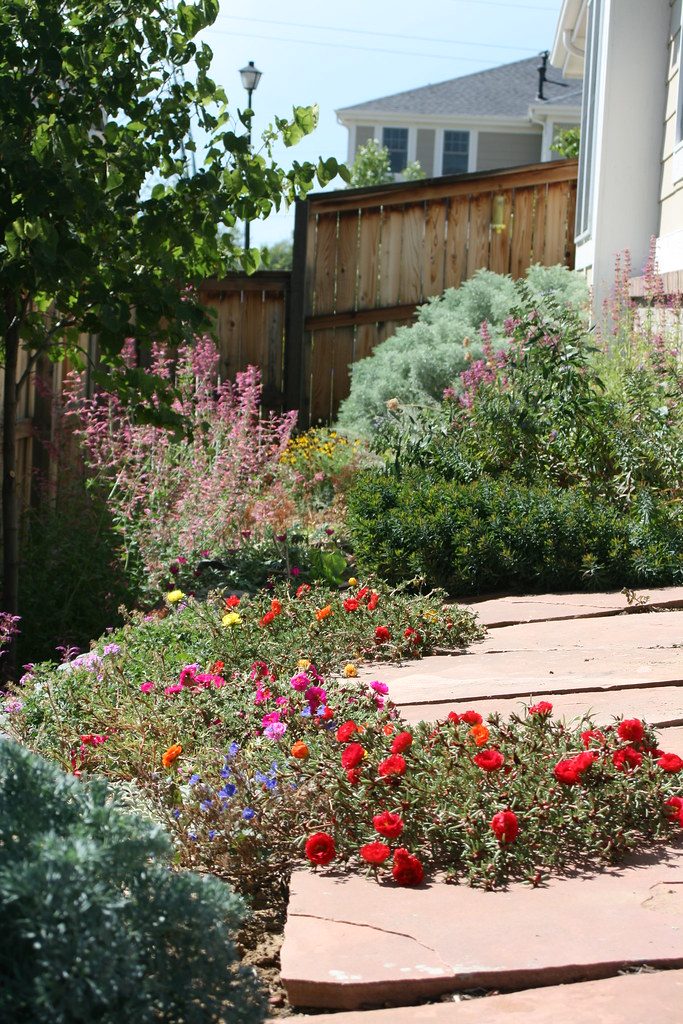
Small gardens get design advice built for large ones, scaled down — and it rarely works. A sweeping lawn, a deep mixed border, a distinct vegetable patch, and a separate seating area might read as generous variety on a quarter acre; squeeze the same list into a 15-by-20-foot yard and it reads as clutter, with every element too small to function and no space left over to enjoy any of it. Small gardens need their own design logic, not a shrunken version of a big garden’s plan.
That logic, in short: fewer functions, done properly, using every dimension — including the vertical ones most gardens ignore entirely. This guide covers the specific moves that make a small space feel considered rather than cramped, building on the general layout principles that apply at any scale.
Start by cutting the wish list, not by shrinking it
The instinct in a small space is to fit in a version of everything — a bit of lawn, a few vegetable beds, some flowers, a place to sit. The result is usually a yard where the lawn patch is too small to use, the vegetable bed is too shaded by everything else to produce much, and the seating area is a single chair wedged into whatever gap remains.
The better approach: pick two or three functions the space will do well, and let go of the rest. A small garden built around excellent container vegetables and a proper seating nook, with no lawn at all, will feel more complete and get more use than the same footprint split five ways. This is the single hardest mental shift in small garden design, and the one that makes the biggest visible difference — before choosing a single plant, decide what the space is for.
Question the lawn specifically
Lawn is the least space-efficient element most small gardens carry. It requires storing a mower somewhere, offers relatively little function for its footprint compared to a seating area or planting bed, and in a truly small yard, a patch of lawn too small to comfortably use for anything (too small to play on, awkward to mow, not really a place to sit) often exists mostly out of habit rather than genuine need.
Consider whether a paved, decked, or gravel seating area — which can host a table and chairs, a hammock, or simply space to stand and garden — would serve the yard’s real use better than the same footprint in grass. This isn’t a rule against small-garden lawns entirely; a used play patch for kids or a dog run earns its keep. It’s a prompt to make the decision deliberately rather than by default, following the same reasoning covered in our lawn care guide’s case for smaller, better-used turf.
Build up: vertical space is a small garden’s biggest untapped resource
A small garden’s ground footprint is fixed, but its vertical space is almost always underused. A single fence line or wall can simultaneously support:
- A trellis growing pole beans, cucumbers, or flowering vines — turning a flat vertical surface into genuine growing area with zero ground footprint consumed.
- Wall-mounted planters or a vertical planting system, adding an entire additional planting layer above whatever’s growing at ground level.
- Hanging baskets, using overhead space that would otherwise go entirely to waste.
This is the single highest-leverage design move available in a tight space — it doesn’t compete with anything already planned for the ground, and it can multiply a small garden’s total growing capacity. A vertical trellis of climbing beans against a sunny fence can outproduce a same-footprint bed of bush beans several times over, purely by using height the bed alone couldn’t access.
Alt: Vertical trellis system growing climbing beans against a narrow fence with a hanging basket above
Caption: Zero additional ground footprint, considerably more growing space.
Use fewer, larger elements — not many small ones
A small garden filled with many small pots, ornaments, and plant varieties reads as busy and cluttered, even when each individual piece is attractive. One large, well-chosen container beats five small ones in the same footprint, both visually (fewer distinct objects for the eye to process) and practically (larger pots hold moisture better and need less frequent watering, as covered in our container drainage guide).
The same principle applies to plant selection: a handful of well-chosen plants repeated or given real room to show their form reads as intentional; a collection of one-of-everything, each squeezed into inadequate space, reads as a plant hoarder’s inventory rather than a garden. This mirrors the repetition-over-variety design principle covered in the layout guide, just more critical at small scale where there’s less room to absorb visual noise.
Establish one clear sight line
Small spaces feel smaller than their actual dimensions when the eye has nowhere specific to land — everything competes for attention at once, and the brain reads that as cramped. The fix is establishing one clear sight line toward a single focal point — a well-placed pot, a small tree, an arch, even just a change in paving material — positioned at the far end of the garden as seen from the most-used vantage point (a kitchen window, a back door, the main seating spot).
This single move does real visual work: the eye travels the length of the space to reach the focal point, and that traveled distance registers, consciously or not, as the garden being larger than its actual square footage. A small garden with a clear destination feels like a considered space; the same garden with visual clutter at every distance feels like leftover space.
Choose a restrained color and material palette
Variety is good in moderation, but a small garden juggling many different paving materials, fence colors, and pot styles simultaneously fragments the space visually, making it feel busier and smaller. Committing to one paving material, one or two pot colors or materials, and a limited plant color palette (rather than one of everything available at the nursery) unifies a small space and lets it read as a single considered garden rather than a collection of separate purchases.
This doesn’t mean monochrome or boring — a restrained palette with occasional deliberate accent color (one bright pot, one standout flowering plant) reads as far more sophisticated than the same accent colors scattered everywhere without any unifying backdrop.
Multi-purpose everything
In a small garden, every element should ideally serve more than one job. A bench with storage underneath. A raised bed edge wide enough to double as informal seating. A trellis that provides both a privacy screen from a neighboring window and a growing surface for climbing vegetables. A large, well-chosen container that’s both the garden’s focal point and a productive planting.
This isn’t just aesthetic efficiency — it’s how a small garden avoids the trap of needing separate zones for every separate need, which is exactly the problem that causes a tight space to feel over-programmed and cramped in the first place.
Plant selection: compact varieties and long-season interest
Look specifically for plants bred or selected for small spaces — seed packets and plant tags increasingly flag dwarf, compact, or patio varieties across tomatoes, shrubs, and even fruit trees, all bred to deliver a fuller-size plant’s yield or display in a fraction of the footprint.
Prioritize plants with a long season of interest over ones with a brief, spectacular bloom and nothing to offer the rest of the year — a small garden has less room to hide an unremarkable plant for the eleven months it isn’t flowering. Foliage plants with good structure or color, and reliable long-blooming perennials, earn their space in a tight garden more consistently than a one-week wonder.
Equally important: avoid anything that spreads aggressively — running bamboo, invasive groundcovers, unpotted mint — since a small garden has no spare room to absorb a plant that outgrows its intended spot, and removing an established spreader from a tightly planted small space is far more disruptive than it would be in a larger yard with room to isolate the problem.
Screening: hide the ugly, borrow the beautiful
Every yard has an eyesore — bins, a utility box, an unattractive neighboring fence — and a small garden has less room to simply plant around the problem at a distance. A single trellis panel or strategically placed large container can screen an eyesore effectively without consuming much footprint, especially valuable directly in the sight line established earlier in this guide.
The reverse trick works too: if a neighboring tree, an attractive view, or borrowed greenery beyond the garden’s actual boundary is visible, frame rather than block it — a small garden that visually extends into borrowed scenery beyond its own fence line reads as considerably larger than its true footprint.
The condensed approach
Decide what the garden is for before choosing a single plant, and resist fitting in everything. Question whether lawn earns its space. Build vertically wherever a fence or wall exists. Choose fewer, larger elements over many small ones. Establish one clear sight line to a focal point. Restrain the palette. Make every element multi-purpose where possible. Choose compact varieties with long seasons of interest, and keep aggressive spreaders out entirely. Applied together, these moves don’t just fit more into a small garden — they make the space feel intentional, complete, and considerably larger than the tape measure says it is.
Frequently asked questions
How do I make a small garden feel bigger than it is?
Use fewer, larger elements rather than many small ones (one substantial pot beats five tiny ones), keep a clear sight line to a distant focal point to draw the eye through the space, choose a limited color palette, and use vertical structures like trellises and wall planters to add growing space without consuming ground area — all of which make a small space read as intentional rather than cluttered.
What's the biggest mistake people make in small garden design?
Trying to fit in everything — a lawn patch, a vegetable bed, a seating area, a shed, and ornamental borders — at a scale too small for any of them to actually work well. A small garden does better with two or three functions done properly than five functions each squeezed into a token corner.
Should a small garden have a lawn?
Often no, or only a small one with a clear purpose. Lawn is the least space-efficient element in a small garden — it needs mowing equipment stored somewhere, doesn't provide much usable function in a tight space, and a paved or gravel seating area frequently serves a small yard's actual needs (sitting, dining) better than the same footprint in grass.
How much vertical growing space can a small garden actually use?
Substantially more than most people plan for — a single wall or fence can support a trellis growing beans, cucumbers, or flowering vines, wall-mounted planters, and hanging baskets simultaneously, effectively multiplying a small garden's growing area without using any additional ground footprint. Vertical space is the most underused resource in nearly every small garden.
What plants work best in a small garden?
Compact and dwarf varieties bred specifically for small spaces (check plant tags for terms like 'dwarf,' 'patio,' or 'compact'), plants with a long season of interest rather than a brief bloom window, and anything that can be trained vertically. Avoid large, fast-spreading plants (running bamboo, aggressive groundcovers, full-size shrubs) that will quickly outgrow a small footprint and dominate a space meant to hold variety.
How do I hide ugly things like bins and utility boxes in a small yard?
A simple trellis panel, a section of fencing, or a large potted shrub placed strategically can screen an eyesore without consuming much space, and works especially well in a small garden where every screening element can also serve as a growing surface. Prioritize screening the view from your most-used window or seating area first, since that's where it matters most.
Can a small garden still grow vegetables?
Yes, often surprisingly productively — small gardens frequently outperform larger ones per square foot simply because they get more consistent attention. Raised beds, vertical trellising for vining crops, and container plantings all pack real harvests into a modest footprint; our container and raised bed guides cover the specific techniques.